


 | Today's Date:




Nvidia Shares Plunge 4.3%, Wiping $192 Billion, as FBI Probes Huang Spy Claims

Nvidia shares plunged on Monday, November 9, 2026, wiping about $192 billion from the chipmaker's market value in a single session, as investors reacted to the widening scandal around chief executive Jensen Huang and to President Donald Trump's word that the FBI is looking into claims Huang was targeted by a foreign intelligence effort. The Nvidia shares plunge came as the wider market surged, leaving the world's most valuable chipmaker moving sharply against almost everything else on Wall Street.
The shares fell roughly 4.3 percent, after dropping as much as 8.8 percent shortly after the opening bell. Nvidia is now down about 25 percent from its peak a month ago, and last week it erased its gains for the year. For the first company ever to pass $5 trillion in market value — and about 7 percent of the S&P 500 — a single day's loss on this scale shows how quickly confidence can turn.
Key Points
- Nvidia shares fell roughly 4.3 percent on Monday, November 9, 2026, after dropping as much as 8.8 percent shortly after the opening bell.
- The shares are now down about 25 percent from their peak a month ago, and last week they erased their gains for the year.
- The fall followed Jensen Huang's admission of an extramarital affair and Nvidia's announcement that its board is investigating reports he was the "target of a foreign intelligence effort."
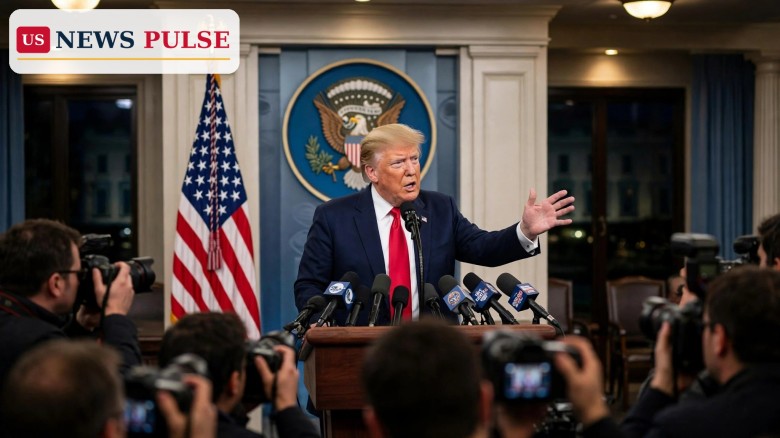
- President Donald Trump said on Monday evening that the FBI was looking into the matter, adding a federal investigation to the board's internal inquiry.
- The wider market rallied despite Nvidia: the S&P 500 rose 2.35 percent, its best day since April, and the Nasdaq surged 2.7 percent, its best since July.
What Happened
Nvidia opened Monday under heavy pressure. The stock dropped as much as 8.8 percent in early trading before buyers stepped in and cut the decline to roughly 4.3 percent. Even so, about $192 billion of market value was gone in a day, in a company whose shares have risen 1,250 percent in four years since ChatGPT launched.
The trigger was not an earnings miss or a product failure: over the weekend, Huang admitted to an extramarital affair, and Nvidia said its board is investigating reports he was the target of a foreign intelligence effort. On Sunday, the board said it has "no reason to believe that either national security or NVIDIA secrets were compromised," but added that its inquiry "will examine all available information." Then, on Monday evening, Trump added a new element: the FBI, he said, was looking into the matter.
Background: The Affair, the Board Probe and the Spy Claims
Huang has led Nvidia since founding it in 1993, turning it from a graphics-chip maker into the dominant supplier of the processors that train AI systems. The board's inquiry, overseen by outside counsel, will examine reports that he was targeted by a foreign intelligence effort — claims that, if substantiated, would raise questions about the head of America's most strategically important chip company.
The board moved quickly to reassure investors, saying it has "no reason to believe that either national security or NVIDIA secrets were compromised." But the same statement left the door open, saying the inquiry "will examine all available information." Trump had already defended Huang over the weekend; his Monday comment signalled the claims now face federal as well as corporate attention.
Nvidia Shares Plunge as the FBI Steps In
The FBI line matters because it widens the inquiry beyond Nvidia's boardroom: a corporate investigation can be contained by the company itself, but a federal one cannot. Investors must now price in the risk that the board's probe uncovers something more serious, and a parallel law-enforcement process with its own timetable.
Analysts at Citi warned that the key questions are whether the probe uncovers anything that could jeopardise Huang's role as chief executive, and whether there are regulatory implications that could constrain Nvidia's sales. Huang is Nvidia's founder as well as its chief executive, and the company sells its most advanced chips under export controls that make Washington's view of its leadership matter commercially.
Reactions: The Board, the White House and Wall Street
Nvidia's board has tried to draw a line between the personal and the corporate, saying its technology is safe while promising the inquiry "will examine all available information."
Trump's intervention cut both ways: his earlier defence of Huang reassured some investors, while his Monday statement unsettled others, confirming the claims are taken seriously at the highest levels of government. On Wall Street, the broad rally showed investors still buy American stocks — just not all of them without asking hard questions about the one that matters most.
Why It Matters
Nvidia is not an ordinary stock. At roughly 7 percent of the S&P 500, it is the largest weight in the index underpinning American retirement savings, pension funds and index trackers. Its 25 percent fall from its peak has already wiped out hundreds of billions of dollars of wealth held by millions of ordinary investors.
The company is also the bellwether for the AI boom: its chips power the data centres of Microsoft, Amazon, Google and Meta. Its most advanced chips sit at the centre of the US technology rivalry with China, and Washington controls where they can be sold. Any suggestion that its chief executive was targeted by a foreign intelligence effort touches national security as well as corporate governance — which is why the FBI's involvement, however preliminary, carries weight far beyond the share price.
What Happens Next
Three things now matter: Nvidia's earnings on November 17, when Huang faces investors for the first time since the probe became public; the board inquiry, which has no published timetable; and whatever the FBI does next.
Citi's warning about restrictions on what Nvidia can sell is the scenario investors fear most. For now, the shares have steadied from their worst levels of Monday, but with the stock down a quarter from its peak and the inquiries still open, the market's verdict is unfinished.
Frequently Asked Questions
How much did Nvidia shares fall on Monday? Roughly 4.3 percent, after dropping as much as 8.8 percent shortly after the opening bell — about $192 billion in a single day.
Why did Nvidia shares fall? Huang's admission of an extramarital affair, the board's probe into reports he was the target of a foreign intelligence effort, and Trump's statement that the FBI was looking into the matter.
What has Nvidia's board said? It has "no reason to believe that either national security or NVIDIA secrets were compromised," but its inquiry "will examine all available information."
How far have Nvidia shares fallen from their peak? About 25 percent; last week they erased their gains for the year, despite rising 1,250 percent in four years since ChatGPT launched.
When does Nvidia report earnings? On November 17, 2026, when investors will hear from Huang and the board for the first time since the probe became public.
Read more: Nvidia Board Launches Probe of CEO Jensen Huang Over China Spy Plot Claims — Trump Backs Nvidia CEO Jensen Huang as an 'Honorable Guy' Amid Spy Probe
Leave a Comment