


 | Today's Date:



Supreme Court Clears Big Bend Border Wall Through National Park in Texas
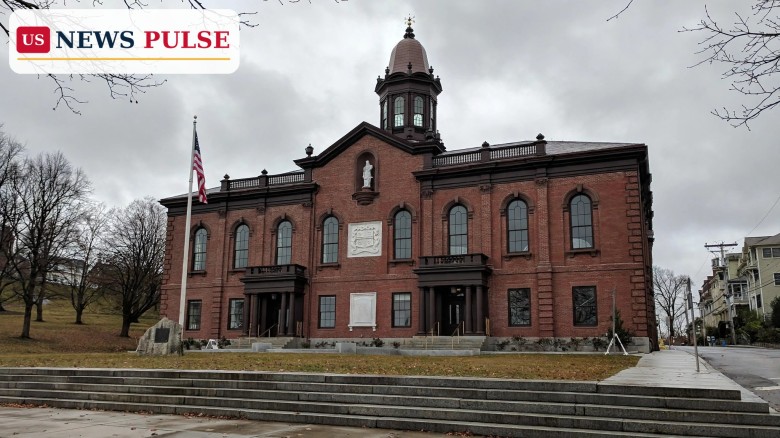
The United States Supreme Court ruled on Monday, November 9, 2026, that President Donald Trump's administration can resume construction of the Big Bend border wall in West Texas, including a stretch inside Big Bend National Park, lifting a lower court's order that had blocked the work while a lawsuit over the project continues. In a five-page unsigned opinion, the court said Congress had shown a "clear preference for expeditious border construction over the very harms respondents assert" and that the administration was "exceedingly likely" to win its argument that there is no constitutional dispute at the heart of the case. Justice Ketanji Brown Jackson was the only justice to note dissent, without giving a reason.
The decision clears the way for work to restart on more than 300 miles of barrier and patrol roads across the Big Bend sector, and tests a 1996 law letting Homeland Security set aside environmental and preservation protections to build border barriers quickly.
Key Points
- The Supreme Court paused Judge Kathleen Cardone's October blocking order, so construction can resume while the lawsuit is litigated.
- The plan covers 341 miles of barrier and roads in the Big Bend sector, mostly on private land, including a 17-mile vehicle barrier inside the park.
- Homeland Security relied on a 1996 law allowing it to "waive all legal requirements" in areas of "high illegal entry".
- The suit was brought by the Center for Biological Diversity, a local river guide and a group defending a historic adobe church in Ruidosa, Texas.
- The ruling does not decide the case on the merits; it only lifts the block while the challenge continues.
What Happened
The court acted on the administration's emergency request to lift an injunction issued in October by US District Judge Kathleen Cardone in El Paso, who had blocked the project after finding the fast-track waivers lacked clear congressional authorisation and violated the major questions doctrine, which bars agencies from claiming sweeping powers without explicit approval from Congress. Work had already been paused once, in August, after bipartisan criticism over harm to the park's landscape and wildlife.
The justices said the government was "exceedingly likely to prevail" on its argument that Cardone lacked jurisdiction to hear the case at all. The administration's position rests on the 1996 Illegal Immigration Reform and Immigrant Responsibility Act, which limits lower courts to claims alleging a violation of the US Constitution. The court wrote that "there is no such thing as a 'constitutional' major-questions claim".
Background: Why Big Bend Became a Battleground
The Big Bend sector covers more than a quarter of the entire US-Mexico border, yet records by far the lowest number of migrant apprehensions anywhere along the frontier: only 0.3 to 2.2 percent, Judge Cardone noted, a figure the plaintiffs say undercuts the case for building hundreds of miles of barrier through such remote terrain.
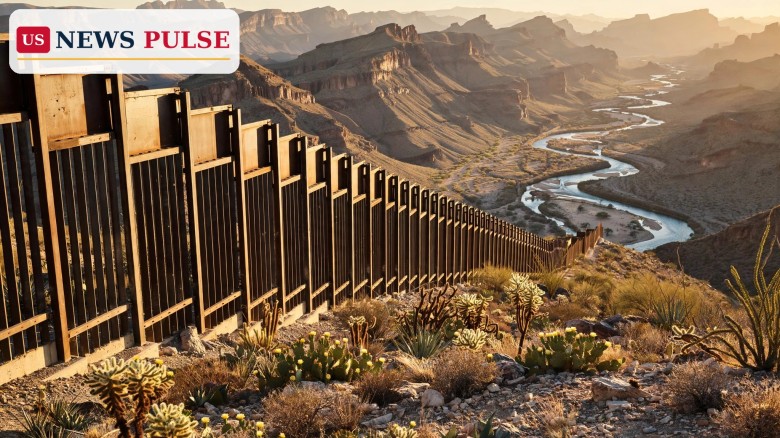
Big Bend National Park sits in far West Texas along a sweeping bend of the Rio Grande, a desert park of mountains and canyons. The plan calls for a 30-foot pedestrian barrier across much of the sector, but inside the park the design changes to a 17-mile noncontiguous vehicle barrier system, intended to stop vehicles rather than people on foot.
The Big Bend Border Wall and the 1996 Waiver Law
At the centre of the case is a waiver power Congress created in 1996, allowing the Secretary of Homeland Security to "waive all legal requirements" deemed necessary to build border barriers quickly in areas of "high illegal entry". The Big Bend waivers were issued by then-Secretary Kristi Noem in February 2026 and by her successor, Markwayne Mullin, in May and July 2026.
The plaintiffs argued that a power designed to speed up construction cannot erase entire bodies of law, from wildlife protection to the preservation of historic sites such as the adobe church in Ruidosa, without Congress saying so clearly. They warned the wall would disrupt a remote landscape home to endangered species such as the Mexican long-nosed bat, bypassing the Endangered Species Act, the National Environmental Policy Act and the National Historic Preservation Act.
Reactions: What Supporters and Critics Said
The administration calls the area an artery for irregular crossings and drug trafficking, and argues that the sector's remoteness is exactly what makes it hard to patrol without physical barriers and the roads that come with them. The plaintiffs see the same low apprehension numbers differently: for them, they prove the project is a solution in search of a problem, imposed on a national park and on private landowners for little enforcement gain.
The ruling also lands in a charged political moment: Democrats won both chambers in the November 3 midterms and have promised aggressive oversight of the administration's immigration enforcement, explored in our report on Democrats' plans for a flood of Trump probes.
Why It Matters
Monday's ruling matters well beyond the 17 miles of vehicle barrier planned inside the park. It is the Supreme Court's clearest signal yet on the waiver power behind much of the administration's border construction, suggesting the court will read that power broadly. If the government's jurisdictional argument prevails, opponents of future wall segments could find the courthouse door closed before their claims are heard.
What Happens Next
Construction can now resume, and the first question is how quickly crews return to the Big Bend sector. The administration has not said publicly when work will restart, but the emergency ruling was sought so building could proceed before the full case is decided.
The lawsuit itself continues. With Democrats taking control of the House and Senate in January, the lame-duck fights covered in our report on Democrats' lame-duck energy permitting push will soon give way to a Congress that can hold hearings and revisit the 1996 waiver law.
Frequently Asked Questions
What did the Supreme Court decide about the Big Bend border wall?
On November 9, 2026, the court let the Trump administration resume border wall construction in Big Bend, including inside the national park, by pausing a lower court's order that had blocked the work while a lawsuit continues.
How much wall is planned in the Big Bend sector?
341 miles of barrier and roads, mostly on private land, including a 17-mile noncontiguous vehicle barrier system inside the park instead of the 30-foot pedestrian barrier planned elsewhere.
Why is the wall going through a national park?
The sector covers more than a quarter of the US-Mexico border along the Rio Grande, and the administration calls the remote area an artery for irregular crossings and drug trafficking that is hard to patrol without barriers and roads.
What is the 1996 waiver law behind the project?
A 1996 law lets the Homeland Security Secretary "waive all legal requirements" needed to build border barriers quickly in areas of "high illegal entry". The Big Bend waivers were issued by Kristi Noem in February 2026 and by Markwayne Mullin in May and July 2026.
Does the ruling end the lawsuit against the wall?
No. It is an emergency order lifting the block on construction while the case continues. The court said the government was "exceedingly likely" to win on jurisdiction, but the merits have not been finally decided.
Leave a Comment