


 | Today's Date:


Netanyahu Calls Trump Every Day to Urge New Strikes on Iran, FT Reports
Israeli Prime Minister Benjamin Netanyahu has been telephoning President Donald Trump every day to press him to resume military strikes on Iran, the Financial Times reported on Tuesday, in a private pressure campaign running alongside public signs that Washington wants the war to wind down.
The report cites a person briefed on the discussions, who said: "Netanyahu calls him every day [to urge him to resume the war]. Those who don't want a war within the White House and outside have been trying to combat that." It lands as Trump insists the war is all but finished, a position the daily calls are meant to overturn.
Key Points
- Netanyahu has called Trump every day urging him to resume the war, the Financial Times reported on Tuesday, citing a person briefed on the discussions.
- White House insiders told Axios Netanyahu urged strikes right after the November 3 midterms, but the administration chose diplomacy, and a recent call was described as "frank".
- Trump said Monday that Iran is "militarily, effectively over" and further strikes seem "quite unlikely", while warning the US is "locked and loaded" if things change.
- US operations continue at low intensity: missiles struck Qeshm Island on November 3 and 6, and Trump said an Iranian air-defence device was destroyed in minutes.
- Arab leaders have urged Trump to pursue diplomacy, while Secretary of State Marco Rubio called Iran's terms "outrageous and ridiculous".
What Happened
The Financial Times published its report on Tuesday, November 10, citing a person briefed on the discussions between the two leaders. It says Netanyahu has been calling Trump daily to urge him to resume the war, while opponents of a return to fighting inside and outside the White House have pushed back.
Axios reported separately that White House insiders said Netanyahu urged Trump to launch strikes immediately after the November 3 midterm results. The administration instead let diplomatic negotiations proceed, and a Trump-Netanyahu call last week was described by administration sources as "frank".
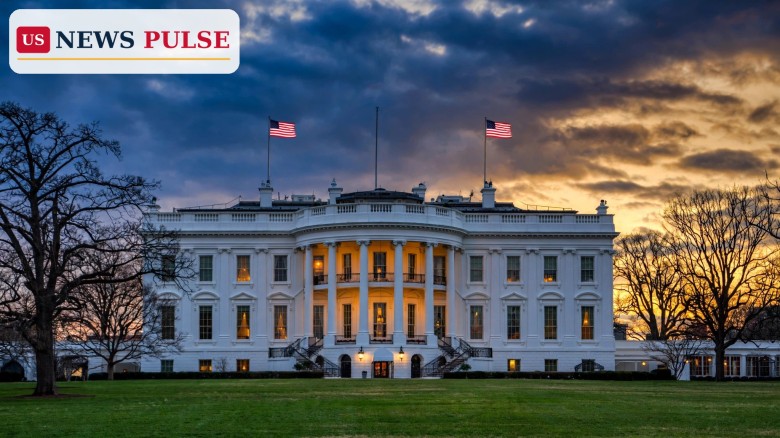
The pressure comes as Trump has moved publicly the other way. At the White House on Monday, November 9, after meeting Qatar's Prime Minister Sheikh Mohammed bin Abdulrahman Al Thani, he said: "Iran, militarily, is effectively over. We're just keeping it the status quo." He added that further strikes seemed "quite unlikely" for now, while warning the United States is "locked and loaded" if circumstances change.
Background: Nine Months of War
The war between the United States and Iran began on February 28, 2026, and is now in its ninth month. American forces have struck Iranian targets repeatedly, including two rounds of missile strikes on Qeshm Island, on November 3 and 6. Trump said in West Palm Beach that the United States knocked out an Iranian anti-aircraft device "in about 15 minutes, maybe five".
The daily-calls claim first surfaced on November 2, when commentator Tucker Carlson wrote that Netanyahu was calling Trump about the war every day, alongside an unverified claim of a possible nuclear strike on Iran's Pickaxe Mountain site. Neither the White House nor Israel confirmed it.
What is new is the Financial Times' independent sourcing and the timing: the report arrives after the midterms, after Trump declared the war effectively over, and as Qatar says both sides are reviewing its interim-deal proposals. Iran has offered to guarantee shipping through the Strait of Hormuz if Washington lifts its blockade, returns frozen reserves and resumes nuclear talks; Rubio called those terms "outrageous and ridiculous" on November 8.
Netanyahu's Daily Calls to Trump on Iran Strikes
Netanyahu's persistence reflects his view that the campaign against Iran is unfinished, even as Trump declares it effectively over. The Israeli prime minister remains caretaker prime minister after Israel's October 27 election, while Gadi Eisenkot tries to form a government.
The daily calls put Trump in a difficult position. Vice President JD Vance has said the war cost Republicans in the midterms, and the administration has been building a diplomatic track through Qatar. Yet Netanyahu is one of Trump's closest foreign allies, and the "frank" call described by administration sources suggests the disagreement is real and growing.
For now, Trump has held the line, keeping the blockade in place and allowing limited strikes, as the Qeshm attacks show, while refusing the resumption Netanyahu wants.
Reactions and Quotes
Trump's own words on Monday framed the war as finished. "Iran, militarily, is effectively over. We're just keeping it the status quo," he said, adding that new strikes were "quite unlikely" while the United States stayed "locked and loaded".
Arab leaders have lined up behind diplomacy. Qatar's prime minister, Saudi Crown Prince Mohammed bin Salman, UAE President Sheikh Mohamed bin Zayed and Turkey's President Recep Tayyip Erdogan have all urged Trump to seek a negotiated end to the war.
Rubio has taken a hard line on Iran's conditions: Tehran would guarantee shipping through the Strait of Hormuz in exchange for lifting the blockade, returning frozen reserves and resuming nuclear talks, terms he called "outrageous and ridiculous" on November 8.
Why It Matters
The standoff goes to the heart of Trump's Iran policy. The president has spent nine months waging a war he now says is effectively over, while his closest Middle East ally calls him every day to demand it resume. Whichever side wins will decide whether the conflict winds down through negotiation or escalates again.
The stakes reach beyond the region. The war has disrupted shipping through the Strait of Hormuz, swung oil prices sharply, and become a political liability at home: Vance has said it cost Republicans ground in the midterms.
What Happens Next
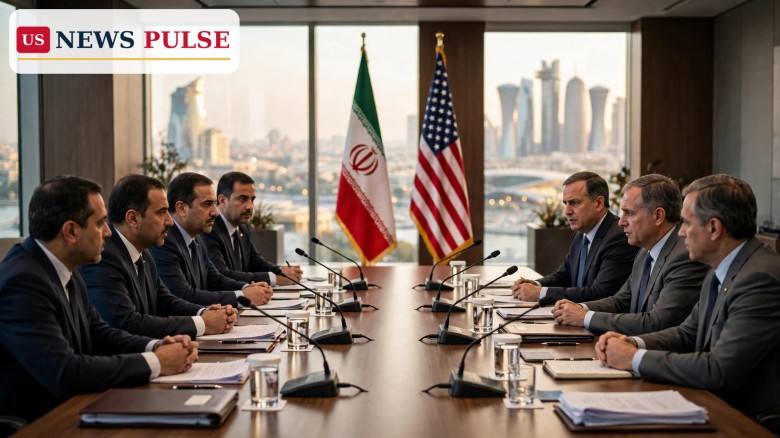
Diplomacy remains the stated track. Qatar's mediators are shuttling proposals between the two sides, and both capitals are reviewing them, with no deadline set: Vance has said the United States set "no strict deadline" for a deal.
Netanyahu's calls are unlikely to stop. Watch for any change in Trump's language on Iran, any new round of limited strikes like those on Qeshm Island, and any sign from Qatar that the interim deal has moved forward or stalled.
Frequently Asked Questions
What did the Financial Times report? That Israeli Prime Minister Benjamin Netanyahu has been calling President Donald Trump every day to urge him to resume military strikes on Iran, citing a person briefed on the discussions.
What has Trump said about the war? On Monday, November 9, he said Iran is "militarily, effectively over", that further strikes seem "quite unlikely" for now, and that the United States is "locked and loaded" if things change.
Is the United States still striking Iran? Low-intensity operations continue. American missiles struck Qeshm Island on November 3 and 6, and Trump said an Iranian air-defence device was destroyed in minutes.
What does Iran want in a deal? Tehran has offered to guarantee shipping through the Strait of Hormuz if Washington lifts its blockade, returns frozen reserves and resumes nuclear talks. Rubio called the terms "outrageous and ridiculous".
How long has the war lasted? The war began on February 28, 2026, and is now in its ninth month.
Read more: Trump says Iran war is 'effectively over' after Qatar talks; Oil prices rise after US strike on Qeshm Island; Vance blames Iran war for midterm losses.
Leave a Comment