


 | Today's Date:


Trump Says Gulf Allies Asked Him to Pause Iran Strikes, Boasts of Three-Day Blitz
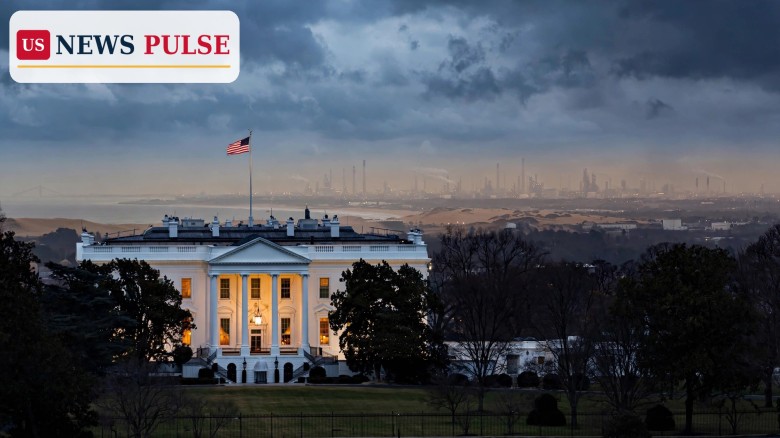
President Donald Trump said on Thursday that Saudi Arabia, Qatar and other Gulf allies asked him to hold off on further large-scale strikes against Iran, revealing the quiet diplomacy behind the latest pause in the nine-month war between the United States and Iran. Speaking at the White House on November 12, 2026, Trump said the Gulf states urged restraint even as he claimed American forces could destroy Iran's energy infrastructure, bridges and manufacturing facilities within three days if he gave the order.
The remark came only hours after Trump said he would not hesitate to launch new military strikes against Tehran if necessary, a contrast that underlined how quickly the White House has swung between threats of escalation and talk of a negotiated end to the conflict. It was the latest twist in a war that began on February 28, 2026.
Key Points
- Trump said Saudi Arabia, Qatar and other Gulf countries asked him to pause large-scale attacks on Iran.
- He claimed US forces could destroy Iran's energy infrastructure, bridges and manufacturing plants in three days.
- The comment came hours after Trump warned he would not hesitate to strike Tehran again if needed.
- Iran's Revolutionary Guard said its forces targeted US radar in Bahrain, according to Al Jazeera's live coverage.
- The war began on February 28, 2026, and the US is blockading Iranian ports while protecting shipping through the Strait of Hormuz.
What Happened
Trump spoke at the White House on Thursday, November 12. He said the Gulf allies, naming Saudi Arabia and Qatar among them, had asked him to hold off on further large-scale attacks against Iran. He did not say when the request was made or what, if anything, he promised in return, but the message was clear: the region's closest American partners want the bombing to stop, at least for now.
In the same remarks, Trump claimed the United States could destroy Iran's energy infrastructure, its bridges and its manufacturing facilities within three days. The boast was aimed at Tehran as much as at his audience at home: a reminder that the pause is a choice, not a limit on American power. It echoed the warning he issued hours earlier, when he said he would not hesitate to launch new strikes if necessary.
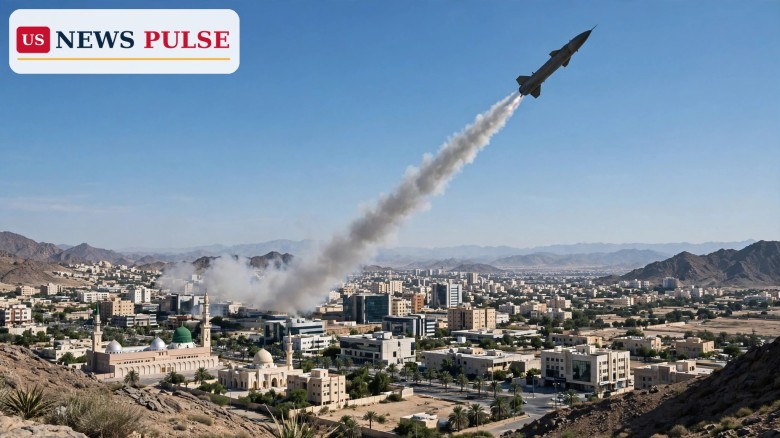
The fighting, meanwhile, has not stopped entirely. Iran's Islamic Revolutionary Guard Corps said its forces targeted US radar in Bahrain, according to Al Jazeera's live coverage of the war on Friday. The claim could not be independently verified from the material available, and it underlined how the conflict keeps producing new incidents even as leaders talk about restraint.
Background and Context
The war began on February 28, 2026, when the United States and Israel launched strikes against Iran, opening a conflict that is now in its ninth month. Since then the United States has imposed a blockade on Iranian ports and worked to secure commercial shipping through the Strait of Hormuz, the narrow waterway through which a large share of the world's oil travels.
The path to this week's remarks ran through a series of contradictory signals. Vice President JD Vance said on Monday, November 2, that Washington had made “progress” in talks with Iran and that the United States had set no deadline for a deal, Vance also confirmed he had sent a letter to Iran's security chief, Mohsen Rezaei, and Rezaei called the changed American tone a good sign.
Days later, Trump struck a very different note on his Truth Social platform, writing “We don't need a deal with Iran” and pulling back from the negotiations Vance had described. At the reopening of the Lincoln Memorial Reflecting Pool on Monday, Trump had said a deal was “coming together very nicely” and that Iran wanted an agreement. The Gulf allies' request, revealed on Thursday, helps explain the latest turn: the region's governments have been pressing Washington to give diplomacy another chance.
Trump Pauses Iran Strikes After Gulf Allies Asked for Restraint
For Saudi Arabia, Qatar and their neighbours, the stakes of a wider war are immediate and physical. Their oil and gas facilities, their ports and their cities sit within range of Iranian missiles, and several host American bases that Tehran has already threatened. A sustained American campaign against Iran's energy sites would invite retaliation against the Gulf's own energy infrastructure, the same kind of targets Trump says he could destroy in Iran within three days.
The Gulf states have therefore played a double role throughout the war: close American security partners that also act as go-betweens with Tehran. Qatar has hosted mediation efforts, and Gulf capitals have repeatedly urged Washington to keep a door open to talks. Trump's disclosure that they asked him to hold off suggests that pressure has, for now, worked, even if the president paired the revelation with a threat designed to keep Tehran guessing.
Reactions and Quotes
Trump's own words framed the pause as a favour granted, not a concession. He presented the Gulf request alongside his three-day claim, making the point that restraint was his decision to make. Vance's earlier remarks now read as the diplomatic track the Gulf allies want protected.
From Tehran, the signals have been mixed. Rezaei, the Iranian security chief who received Vance's letter, called the changed American tone a good sign but gave no details and said he had not replied. The Revolutionary Guard's claim of a strike on US radar in Bahrain, reported by Al Jazeera, pointed in the opposite direction, a reminder that hardliners on the Iranian side are also testing the limits of the pause.
Why It Matters
The Gulf request matters because it shows the war is not being decided in Washington and Tehran alone. The states that host American forces and ship the world's oil have a direct say in how far the conflict goes, and their plea for restraint may be the strongest brake on escalation available. It also matters for oil markets: any attack on Iran's energy infrastructure would send prices sharply higher, while a pause keeps the Strait of Hormuz open and shipping moving.
For the American public, the episode captures the administration's two-track approach, threatening overwhelming force while leaving the door to a deal open.
What Happens Next
The next test will be whether the pause holds. Watch for further statements from Riyadh and Doha, for any response from Tehran to the three-day claim, and for whether Qatari mediators return with new proposals in the coming days. If the request is honoured, talks resume; if a new incident escalates, the pause could end as quickly as it began.
Frequently Asked Questions
What did Trump say about Gulf allies and Iran? He said Saudi Arabia, Qatar and other Gulf countries asked him to hold off on further large-scale strikes against Iran.
How quickly did Trump claim the US could destroy Iran's energy sites? Within three days, including energy infrastructure, bridges and manufacturing facilities.
When did the US-Iran war begin? On February 28, 2026, with US-Israel strikes against Iran.
Is there a deadline for a deal with Iran? No. Vice President JD Vance said the United States has set no strict deadline for a negotiated settlement.
Leave a Comment