


 | Today's Date:


SpaceX Plans $74 Billion AI Supercomputing Campuses in Texas and Arizona
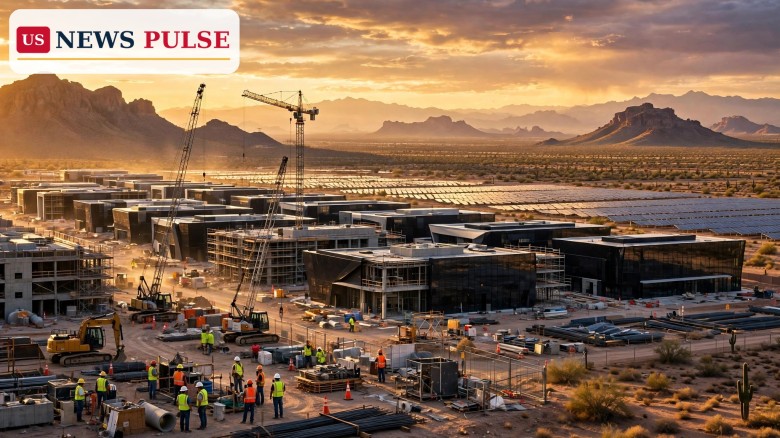
SpaceX plans to invest more than $74 billion in two giant AI supercomputing campuses — one at its Starbase site in Texas and one in Cochise County, Arizona — the company said on Thursday, in a bet that AI computing is becoming as central to its business as rockets and satellite internet.
Announced on November 12, 2026, it puts SpaceX among the largest private investors in American AI infrastructure. The campuses would create thousands of construction jobs and more than 1,500 permanent roles — but both still need local approval before building can begin.
Key Points
- SpaceX will invest more than $74 billion: over $24 billion at Starbase in Texas and roughly $50 billion in Cochise County, Arizona.
- The Arizona campus would draw up to 6 gigawatts at full build-out, in four 1.5-gigawatt phases across nine buildings of about 493,000 square feet each.
- The Arizona project would create about 5,500 construction jobs and 1,000 permanent jobs; Starbase has already generated more than 3,000 construction jobs, with 500-plus permanent roles expected.
- Both still need local approval: a Cochise County planning hearing on December 9, 2026, and a Starbase City Commission vote on a property tax abatement the same day.
- SpaceX's AI segment, public since June, generated more than half of company revenue in the third quarter of 2026, when quarterly revenue nearly doubled to $14.575 billion.
What Happened
SpaceX unveiled the plans on Thursday, November 12, 2026. In Arizona, the company wants a nine-building campus in Cochise County that would eventually draw up to 6 gigawatts — comparable to the output of several large power stations — in four phases of 1.5 gigawatts each. In Texas, it plans a more than $24 billion expansion at Starbase, where its Starship rockets are built and flown, generating its own electricity rather than drawing from the public grid.
The Arizona site, at roughly $50 billion, would be the larger of the two, with nine buildings of about 493,000 square feet each. SpaceX says it would use dry cooling and make no planned industrial use of groundwater — a sensitive point in a desert county — and could cut local cooperative members' bills by up to 20 percent. At Starbase, the company plans a gas-fired power plant on about 444 acres, and says construction there has already created more than 3,000 jobs, with 500-plus permanent roles expected once the facility runs.
Neither project is a done deal: Arizona's campus faces its December 9 hearing, with a 2,400-signature petition asking officials to deny the permit, while Starbase's commission votes on the tax abatement the same day.
Background and Context
The announcement shows how far SpaceX has travelled from its origins as a rocket company. Its AI segment went public in June and generated more than half of company revenue in the quarter ended September 30, as quarterly revenue nearly doubled to $14.575 billion. The computing business is now the largest part of the company by sales.
SpaceX is not alone. Across the United States, technology companies are racing to build gigawatt-scale campuses to train and run AI systems, and the demand for electricity, land and cooling has turned data-centre projects into major local political events. Texas and Arizona are among the most sought-after states for that build-out — but desert water supplies and power grids are under strain. Starbase is already a company town near Brownsville, and Cochise County would host one of Arizona's largest private investments ever.
SpaceX AI Supercomputing Campuses: Two Very Different Builds
The two campuses solve the same problem — finding enough power for AI computing — in opposite ways. Arizona's site would plug into the regional grid at enormous scale, drawing up to 6 gigawatts when fully built, in four phases so the power system and workforce can grow in step. Its nine buildings would house the servers and cooling systems of a modern AI factory.
Starbase takes the self-reliant route. Generating its own electricity with a gas-fired plant on about 444 acres, SpaceX avoids new demand on the Texas grid while keeping the campus inside a site it already controls. The trade-off: a power plant of its own to build, permit and run, tied closely to the Starship programme next door.
Reactions and Quotes
The response in Cochise County has been split. Supporters point to the jobs and SpaceX's pledge that the campus could cut local cooperative members' bills by up to 20 percent. Opponents have organised: a petition with 2,400 signatures asks county officials to deny the permit, echoing concerns over water, power and the scale of change that large data-centre projects bring to rural communities.
SpaceX has answered the water question directly, saying the campus would use dry cooling and make no planned industrial use of groundwater. The December 9 hearing will be the first formal test of whether that case, and the jobs and bill cuts, are enough.
Why It Matters
The $74 billion figure matters because of what it says about where SpaceX is heading. A company founded to cut the cost of reaching orbit now earns more than half its revenue from AI, and is prepared to spend on computing infrastructure at a scale once reserved for national programmes. If built, the campuses would rank among the largest AI computing sites in the world.
They also matter beyond SpaceX. Six gigawatts in one Arizona county tests whether American grids, water supplies and planning systems can absorb the AI boom — and whether the promised jobs and lower bills can win over the communities asked to host it.
What Happens Next
Both projects face their first decisions on December 9, 2026: the Cochise County planning hearing and the Starbase City Commission's vote on the property tax abatement. Approval would let construction scale up, starting with Arizona's first 1.5-gigawatt phase; rejection or delay would force SpaceX back to the drawing board.
Watch, too, for the next quarterly results, which will show whether the AI segment keeps growing as fast as it did in the third quarter, and for the power and water reviews that will decide how quickly the campuses can be built.
Frequently Asked Questions
How much is SpaceX investing in the two AI campuses?
More than $74 billion: over $24 billion at Starbase in Texas and roughly $50 billion in Cochise County, Arizona.
How much power will the Arizona campus use?
Up to 6 gigawatts at full build-out, in four 1.5-gigawatt phases across nine buildings of about 493,000 square feet each.
How many jobs will the campuses create?
About 5,500 construction jobs and 1,000 permanent jobs in Arizona, plus 3,000-plus construction jobs already generated at Starbase and 500-plus permanent roles expected.
Do the projects still need approval?
Yes. Cochise County holds a planning hearing on December 9, 2026, and Starbase's commission votes on a tax abatement the same day; a 2,400-signature petition opposes the Arizona permit.
How big is SpaceX's AI business?
Its AI segment, public since June, generated more than half of company revenue in the third quarter of 2026, when quarterly revenue nearly doubled to $14.575 billion.
Related: SpaceX–Tesla merger talks · DOJ Super Micro probe · SpaceX Florida launch pause.
Leave a Comment