

 | Today's Date:



ICJ Finds Myanmar Guilty of Rohingya Genocide in Historic 9-6 Court Verdict
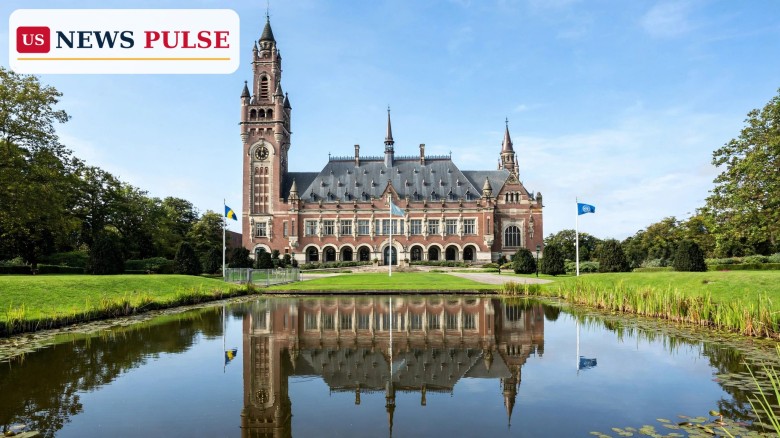
THE HAGUE — The International Court of Justice on Thursday delivered the Rohingya genocide verdict the world has awaited for seven years, ruling by 9 votes to 6 that Myanmar committed genocide against the Rohingya people during its 2017 military crackdown in northern Rakhine state. It is the first time in the court’s nearly 80-year history that a state has been found responsible for the crime of genocide.
Court President Yuji Iwasawa read the judgment in a sitting of about three hours at the Peace Palace in The Hague. He found that Myanmar’s security forces killed thousands of Rohingya civilians, carried out widespread sexual violence and extreme violence against children, and attacked fleeing Rohingya as they escaped to Bangladesh. In the specific cases cited, the court found, Myanmar acted with “genocidal intent.” The ruling, in the case brought by The Gambia in 2019 under the 1948 Genocide Convention, is final and binding, with no right of appeal.
Key Points
- The ICJ ruled 9-6 that Myanmar committed genocide against the Rohingya in northern Rakhine state, violating the 1948 Genocide Convention.
- The court found the estimate of 10,000 Rohingya violently killed in the 2017 clearance operations is supported by the evidence.
- At least four genocidal acts were proven: mass killing, forced displacement, serious harm, and prevention of births.
- It is the first time a state has been found responsible for genocide at the ICJ.
- Myanmar must provide reparations and restitution, including the safe and voluntary return of refugees in Bangladesh.
What Happened
The judgment was delivered on Thursday, November 19, 2026, in the case formally known as The Gambia v. Myanmar. Judge Iwasawa said the evidence showed Myanmar’s forces killed some 10,000 Rohingya during the clearance operations that began in August 2017.
“The Court finds that Myanmar’s security forces killed thousands of Rohingya civilians, perpetrated widespread acts of sexual violence as well as acts of extreme violence against children and attacked fleeing Rohingya as they sought to flee in large numbers to Bangladesh,” Iwasawa said.
The court said the “only reasonable inference” from the evidence was that Myanmar’s forces intended to destroy a “substantial part” of the Rohingya minority, and that Myanmar should have known there was a risk of genocide when armed civilians joined the campaign, so it “thus violated its obligation to prevent genocide.”
Background: The 2017 Crackdown and the Case
The case reaches back to August 2017, when Myanmar’s military launched clearance operations in northern Rakhine state after attacks by fighters from the Arakan Rohingya Salvation Army on police posts. More than 730,000 mainly Muslim Rohingya fled to Bangladesh in a matter of weeks. The Rohingya had long been treated as second-class citizens, denied citizenship and basic rights well before 2017,.
The Gambia filed the case in November 2019, arguing that any state party to the Genocide Convention can bring a claim when the treaty is breached. In January 2020 the court ordered provisional measures requiring Myanmar to prevent genocidal acts and preserve evidence. Myanmar has denied genocide throughout, calling the 2017 operations a legitimate counter-terrorism campaign. US News Pulse reported earlier this month that the court would deliver its judgment on November 19.
Rohingya Genocide Verdict: What the Court Found
The judgment established that at least four genocidal acts have been proven, according to reporting from The Hague: the mass killing of civilians; the forced displacement of hundreds of thousands of people; serious harm inflicted on the group, including widespread sexual violence and violence against children; and the prevention of birth, linked to the birth control programme imposed on the Rohingya.
The finding on intent is the heart of the verdict. Judges concluded that the pattern of killings, rapes, arson and attacks on fleeing villagers could only reasonably be explained as an effort to destroy a substantial part of the Rohingya group in northern Rakhine, the first time the court has ever found a state possessed that intent.
Reactions and Quotes
Human rights organisations welcomed the ruling within hours. “We hope this ruling marks the beginning of a long overdue process of accountability in Myanmar,” Amnesty International said,
Toby Cadman, an international human rights lawyer, told Al Jazeera that proving specific intent is the hardest part of any genocide case, and noted the ICJ had never before ruled that a state has specific intent to commit genocide. “The court is guided by the genocide convention and what the genocide convention states and it is a high threshold,” he said. Myanmar’s military government, which insists its forces were responding to an insurgent threat, had not publicly responded in the hours after the reading.
Why It Matters
The verdict sets a precedent far beyond Myanmar. It is only the third time the ICJ has ruled on the merits of a genocide case, and the first in which it has found a state responsible. The ruling is likely to shape other pending cases, most notably South Africa’s genocide case against Israel over the war in Gaza, where the same questions of intent and state responsibility are at issue.
For the Rohingya, the judgment is recognition after nearly a decade in exile. More than a million people remain in camps in Bangladesh, many born there since 2017, with no citizenship, limited work rights and dwindling aid.
What Happens Next
The court said Myanmar must provide reparations and restitution, including facilitating the safe and voluntary return of Rohingya, returning or replacing damaged collective property, searching for the disappeared, ensuring proper burials, rehabilitating the injured, and protecting the population from persecution. How those obligations are measured and enforced will be worked out in a further phase of the case.
Attention will also turn to the UN Security Council, where the question is whether the ruling is taken up formally and whether sanctions or other measures follow. “A lot will depend on what comes next,” Cadman said.
Frequently Asked Questions
What did the ICJ decide in the Rohingya case?
By 9 votes to 6, the court found that Myanmar committed genocide against the Rohingya in northern Rakhine state in 2017, violating the 1948 Genocide Convention.
Is the ICJ ruling binding on Myanmar?
Yes. ICJ judgments are final and binding, with no right of appeal. Myanmar must comply, including by providing reparations and restitution, although the court has no enforcement force of its own.
How many Rohingya were killed in 2017?
The court found the estimate of 10,000 Rohingya violently killed in the 2017 clearance operations is supported by the evidence. More than 730,000 fled to Bangladesh.
What reparations did the court order?
Myanmar must facilitate the safe and voluntary return of refugees, return or replace damaged collective property, search for the disappeared, ensure proper burials, provide rehabilitation, and protect the population from persecution.
What happens to the Rohingya in Bangladesh now?
About 1.2 million remain in camps in Cox’s Bazar. Return depends on conditions on the ground and international pressure at the UN Security Council.
Related: Myanmar Army Seizes Resistance Headquarters and 10 Bases in Southern Offensive

The US News Pulse newsroom covers breaking news across the United States and the world, working from wire services, official statements and on-the-record sources. Every story is reviewed against our editorial standards before publication. Corrections and tips: info@usnewspulse.com
About our newsroomLeave a Comment