

 | Today's Date:


Peter Navarro Asks Supreme Court to Overturn Contempt of Congress Convictions
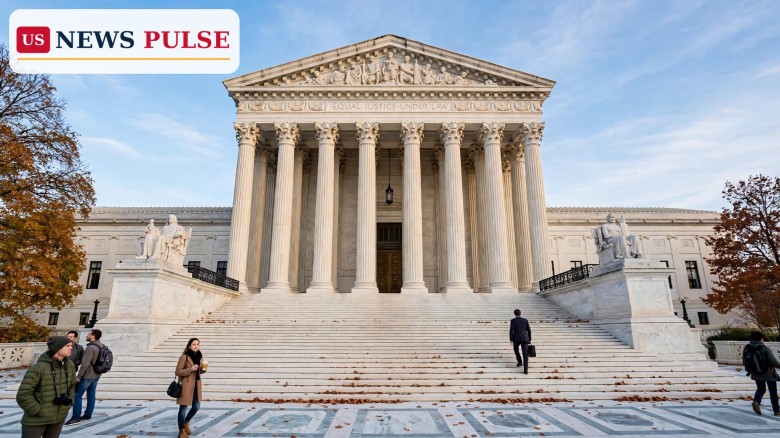
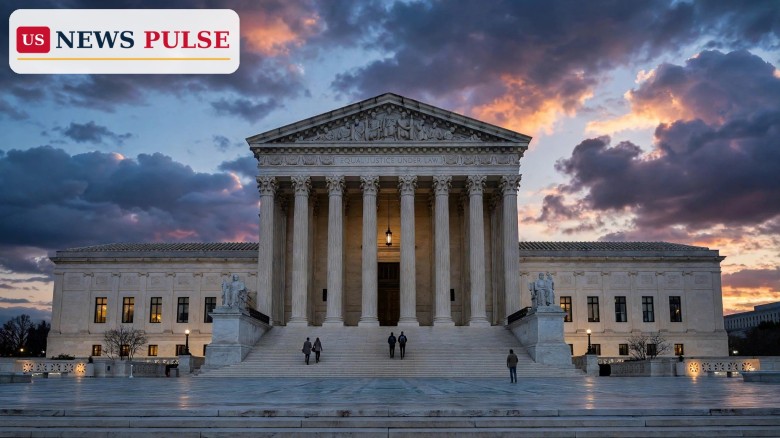
Peter Navarro, the Trump administration’s senior counselor for trade and manufacturing, has asked the Supreme Court to wipe out the two contempt of Congress convictions that sent him to federal prison for four months, in a case that could make it far harder for Congress to jail officials who defy subpoenas.
Navarro filed his petition last month, arguing that prosecutors should have to prove he knew he was breaking the law when he refused to testify and hand over documents to the House committee that investigated the January 6, 2021 attack on the Capitol. He says he believed executive privilege barred him from complying, and that a sincere belief should matter even if mistaken.
Key Points
- Peter Navarro asked the Supreme Court in October 2026 to overturn his two 2023 contempt convictions for defying the House January 6 committee.
- Navarro served four months in federal prison in 2024; he now serves as the Trump administration’s counselor for trade and manufacturing.
- His petition asks the court to overturn the 1933 precedent United States v. Murdock and require proof a defendant knew he was breaking the law by defying a subpoena.
- The D.C. Circuit upheld the convictions in July 2026, ruling a mistaken belief does not excuse defiance, and that only the president can invoke executive privilege.
- The Justice Department must respond by December 9, 2026; twelve states led by Oklahoma filed briefs backing Navarro on November 9.
What Happened
Navarro was convicted in September 2023 on two counts of contempt of Congress, one for refusing to appear for a deposition and one for refusing to produce documents subpoenaed by the House select committee investigating the January 6 attack. He was sentenced to four months in prison and served the sentence in 2024, a rare prison sentence for a senior White House aide.
Before trial, U.S. District Judge Amit Mehta ruled in August 2023 that Navarro had failed to establish that President Donald Trump had invoked executive privilege, and barred him from using that claim as a defence. The D.C. Circuit upheld the convictions in July 2026, ruling that a person violates federal law by defying a subpoena “even if he subjectively and mistakenly believed his default was lawful,” and that only the president can invoke executive privilege under Article II.
Background: The Case Against Navarro
The House January 6 committee subpoenaed Navarro in early 2022 as part of its investigation into efforts to overturn the 2020 election. Navarro, a senior trade adviser in Trump’s first administration, had written and spoken publicly about a plan to delay certification of the results, and the committee wanted his testimony and records. He refused entirely: no deposition, no documents, no negotiation over privilege. The full House voted to hold him in contempt, and the Justice Department prosecuted him.
Judge Mehta’s pretrial ruling was decisive. Because Navarro could not show Trump had actually invoked executive privilege — the president never said so, and no letter or formal assertion was produced — the judge would not let the jury hear the privilege argument. The jury convicted on both counts, and the judge imposed four months plus a $9,500 fine. His appeal asked whether “willfully” means the government must prove he knew his refusal was unlawful. The D.C. Circuit said no.
Peter Navarro’s Supreme Court Bid Tests Contempt Law
The heart of Navarro’s petition is a 93-year-old precedent, United States v. Murdock (1933). There, the court held that a taxpayer’s sincere but mistaken belief that the Constitution protected his refusal mattered in deciding whether he had acted “willfully.” Navarro argues the same principle should apply to contempt of Congress: if he genuinely believed executive privilege barred his testimony, he did not act willfully, and his convictions cannot stand.
If the justices agree, prosecutors would face a much higher bar in every future contempt case, because defendants could claim a sincere belief that a privilege excused them. Twelve states led by Oklahoma filed briefs backing Navarro on November 9, 2026, joined by the America First Legal Foundation and the Article III Project, arguing the D.C. Circuit’s reading turns contempt into a criminal trap. It follows the Supreme Court’s April 2026 decision to vacate the ruling upholding Steve Bannon’s contempt conviction.
Reactions and Quotes
Navarro’s lawyer, Abhishek Kambli, called the petition a question of basic fairness, arguing the D.C. Circuit misread the statute: “willful” should mean the defendant knew what he was doing was unlawful, as elsewhere in federal criminal law. A ruling for Navarro, he said, could limit what he called lawfare and weaponization of the courts.
Mike Davis, founder and president of the Article III Project, which filed a brief supporting Navarro, urged the court to hear the case to end “lawfare.” The D.C. Circuit, by contrast, stressed that Navarro had refused every form of cooperation, noting he “claimed executive privilege before even seeing the subpoena and refused to turn over documents, appear for his deposition, or engage with the Select Committee’s efforts to accommodate his privilege claim.”
Why It Matters
This case is about more than one man’s convictions. It is about whether Congress can still compel testimony from senior officials who refuse to cooperate. A ruling for Navarro would change that: future officials could claim a privilege, sincerely or not, and argue the government cannot prove they knew the claim was wrong — and the threat of prison that makes subpoenas work would fade.
What Happens Next
The Justice Department’s response is due on December 9, 2026. After that, the justices will decide in private conference whether to grant the petition, which requires four votes. If they decline, the D.C. Circuit’s ruling stands and Navarro’s convictions remain on the books, If they grant it, the case would be briefed through the winter and argued in the spring, with a decision expected by June 2027.
Frequently Asked Questions
What is Peter Navarro asking the Supreme Court to do?
He wants the justices to overturn his two 2023 contempt convictions, arguing prosecutors should have had to prove he knew defying the committee was unlawful.
How long did Navarro spend in prison?
Four months in prison in 2024, plus a $9,500 fine.
What is the 1933 precedent at the centre of the case?
United States v. Murdock (1933): the court held a taxpayer’s sincere but mistaken belief that the Constitution protected his refusal mattered in deciding whether he acted “willfully.”
What did the D.C. Circuit decide?
In July 2026 it upheld the convictions, ruling contempt can be found “even if he subjectively and mistakenly believed his default was lawful,” and that only the president can invoke executive privilege.
When will the Supreme Court decide whether to hear the case?
The Justice Department must respond by December 9, 2026; the justices will then decide whether to grant it, with a decision expected by June 2027 if they do.
Related coverage: Justice Department Files Second Bid to Wipe Out Steve Bannon’s Contempt of Congress Conviction, Incoming Rep. Fred Wellman Accuses Hegseth of War Crimes, and Alito and Thomas Won’t Retire, Sources Say, as Sweep Closes Trump’s Court Window.

The US News Pulse newsroom covers breaking news across the United States and the world, working from wire services, official statements and on-the-record sources. Every story is reviewed against our editorial standards before publication. Corrections and tips: info@usnewspulse.com
About our newsroomLeave a Comment