

 | Today's Date:





Pentagon Munitions Stockpiles: GAO Says No Plan to Rebuild After Iran War
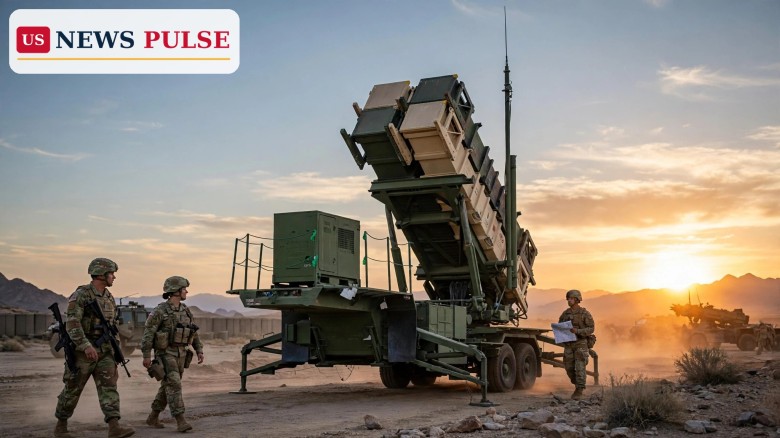
The Pentagon has no overarching plan to rebuild America's depleted weapons stockpiles and no single office in charge of the effort, the Government Accountability Office warned on Thursday, November 19, 2026, in a report that lays bare how deeply the war with Iran drained United States arsenals. Fewer than 1,700 Patriot interceptors remain after more than 1,500 were fired during the conflict, according to sources briefed on the figures, while American factories produced only about 600 of the missiles in all of 2025.
Key Points
- The Government Accountability Office released its report, "DOD Munitions: Planning and Leadership Needed to Address Persistent Shortages", on Thursday, November 19, 2026.
- Fewer than 1,700 Patriot interceptors remain after more than 1,500 were expended in the war with Iran, while the United States produced only about 600 interceptors in all of 2025.
- US forces fired an estimated 1,060 to 1,430 Patriot and 190 to 290 THAAD interceptors in the first 39 days, plus at least 1,000 Tomahawk cruise missiles, the Center for Strategic and International Studies estimates.
- Rebuilding stockpiles to pre-war levels will take three or more years, and each advanced Patriot interceptor takes roughly two years to manufacture.
- The Pentagon agreed with the watchdog's recommendation to develop a long-term replenishment plan, even as Defence Secretary Pete Hegseth has publicly denied that a munitions shortage exists.
What Happened
The Government Accountability Office, the investigative arm of Congress, found the Department of Defence has no comprehensive strategy for replenishing the weapons burned through in the war with Iran, and no single official empowered to oversee the job. The department is "not positioned to address these gaps", the report says, warning it risks buying weapons it does not need while failing to replace the ones running short.
Sources briefed on stockpile levels told The New York Times the United States has fewer than 1,700 Patriot interceptors left after expending more than 1,500 in the war. American factories produced only about 600 of the interceptors in the whole of 2025, so replacing what was fired would take years even before new demand is counted.
The Center for Strategic and International Studies estimates American forces fired 1,060 to 1,430 Patriot and 190 to 290 THAAD interceptors in the first 39 days alone — up to 61 percent of the pre-war Patriot stockpile and 82 percent of THAAD — plus at least 1,000 Tomahawk cruise missiles.
Background and Context
Munitions shortages did not begin with the Iran war, but the conflict made them far more urgent. For years, officials and analysts have warned that US stockpiles of precision weapons were thin and production lines slow. The war consumed in weeks what factories take years to build, and the cost of the Iran war has already topped $47 billion, with munitions replacement the largest share.
Patriot interceptors are among the hardest weapons to replace. Each advanced interceptor takes roughly two years to manufacture, and few suppliers can make key parts. Lockheed Martin, which builds the system, aims to raise annual Patriot output toward 2,000 missiles, up from about 600 — a more than threefold increase that will itself take time and investment.
Pentagon Munitions Stockpiles: A Three-Year Rebuild
Rebuilding to pre-war levels will take three or more years, and only if production rises as planned. The Pentagon lacks both a plan and a leader for the task: no overarching replenishment strategy exists, and no single office can set priorities across the military services, each of which manages its own munitions buys.
The report also raised doubts about the Pentagon's own picture of what it holds. Its Munitions Readiness Initiative, a data tool pulling information from 37 sources to track stockpiles, suffers from inconsistent checks and has no data management plan. Senior leaders may therefore lack a reliable count of what is available, what is short and what to order first.
Demand has not gone away. Allies in Europe and the Middle East are also seeking Patriot and THAAD interceptors, and the United States has approved large sales abroad, including a $2.1 billion deal to send 500 PAC-3 MSE interceptors to Ukraine. Every missile promised to a partner is one that cannot refill an American magazine.
Reactions and Quotes
Defence Secretary Pete Hegseth has publicly denied that the United States faces a munitions shortage, and President Donald Trump has said the country has "far more munitions than anyone in the world". The Pentagon nonetheless concurred with the watchdog's recommendation to develop a long-term plan — a formal acceptance of its central demand.
The auditors were blunt about the risk of carrying on without one. The department is "not positioned to address these gaps", the report says, warning the Pentagon could keep buying weapons it does not need while the missiles it is short of go unreplaced. Congress is expected to press for a detailed replenishment timetable rather than general assurances.
Why It Matters
Munitions are the hard limit on how long the United States can fight. Aircraft, ships and launchers are of little use without missiles to fire from them, and the Iran war showed how quickly a modern conflict can empty magazines that took years to fill. A three-year rebuild will shape American military options for years to come.
The shortage also affects deterrence. Adversaries watch stockpile levels closely, and allies who depend on American air defences need to know the United States can both defend itself and supply them. If production cannot keep up, Washington may have to choose between its own readiness and its partners' requests. The same office recently found the Pentagon cannot account for about 17,000 F-35 parts worth $13 billion, another sign of its inventory troubles.
What Happens Next
The Pentagon has agreed to develop the long-term plan the auditors called for, and Congress is expected to demand a timeline and costed priorities. Lockheed Martin's push to raise Patriot output toward 2,000 missiles a year will be watched closely, as will whether the administration requests the funding to sustain it. For now, the central fact stands: fewer than 1,700 interceptors remain, factories turn out about 600 a year, and the plan to close that gap does not yet exist.
Frequently Asked Questions
What did the GAO report find?
The Pentagon has no overarching plan to replenish depleted weapons stockpiles and no single office empowered to oversee the effort, leaving it "not positioned to address these gaps".
How many Patriot interceptors does the US have left?
Fewer than 1,700, after more than 1,500 were expended in the war with Iran. The United States produced only about 600 interceptors in all of 2025.
How long will rebuilding take?
Three or more years, with each advanced Patriot interceptor taking roughly two years to manufacture. Lockheed Martin aims to raise annual output toward 2,000 missiles.
Did the Pentagon accept the findings?
Yes. The Pentagon concurred with the recommendation to develop a long-term replenishment plan, even though Defence Secretary Pete Hegseth has publicly denied a munitions shortage.
Why does the shortage matter beyond the US?
Allies are also seeking Patriot and THAAD interceptors, including a $2.1 billion sale of 500 PAC-3 MSE missiles to Ukraine. Every missile promised abroad is one that cannot refill American stockpiles.

The US News Pulse newsroom covers breaking news across the United States and the world, working from wire services, official statements and on-the-record sources. Every story is reviewed against our editorial standards before publication. Corrections and tips: info@usnewspulse.com
About our newsroomLeave a Comment