


 | Today's Date:





Stellantis Chip Shortage Hits Fiat Output in Italy Through December
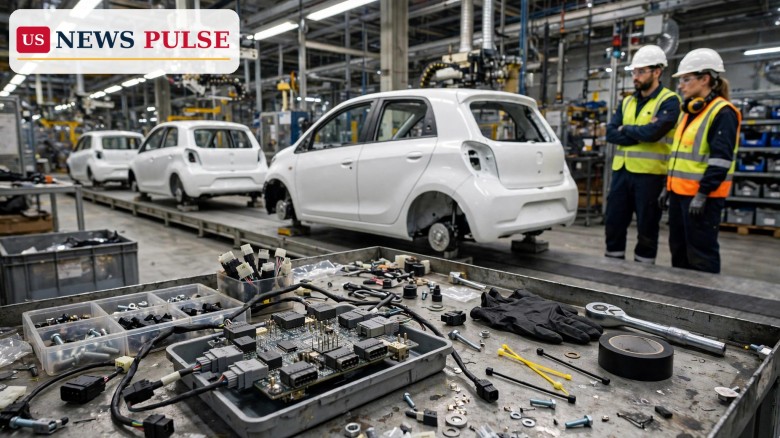
Stellantis has warned that a shortage of a single electronic component is causing significant disruption to Fiat production in Italy, and the carmaker says the problem could continue through November and December. The chip shortage, which hit October sales of the popular Fiat Pandina small car, now threatens further production halts at two of Fiat's most important Italian plants, raising fresh questions about how fragile modern car supply chains remain.
The company said on Monday, November 2, 2026, that it is working with the highest priority to find alternative solutions and gradually restore normal operations. But for now, the shortage is a live constraint on output, not a distant risk, and unions and suppliers are watching closely to see whether the disruption widens before the end of the year.
Key Points
- Stellantis says a shortage of an electronic component used in an engine control unit is causing significant disruption to some Fiat models in Italy.
- The shortage weighed on October sales, particularly of the Fiat Pandina, one of the brand's best-selling small cars.
- Further disruption, including possible production halts, could hit the Pomigliano plant in November and December.
- The Mirafiori plant, where the Fiat 500 is built, is already in a three-week halt that began in mid-October for a separate component shortage.
- Italian engine-component plants, including Termoli, which builds the N3 GSE engine used in both models, could also be affected.
What Happened
Stellantis confirmed on November 2 that a shortage of an electronic component used in an engine control unit is disrupting production of some Fiat models in Italy. The company described the disruption as significant, a word carmakers rarely use lightly when describing a single missing part.
The component in question is small, but its role is central. An engine control unit manages how an engine runs, from fuel delivery to emissions control, and without the right chip, a car cannot be completed to specification. That is why a shortage affecting one supplier can stop a whole line, even when every other part is ready and waiting.
Stellantis said the shortage had already weighed on October sales, with the Fiat Pandina hit particularly hard. The Pandina is one of Fiat's best-selling models, a small, affordable city car that depends on high volumes to make its economics work. When Pandina output falls, the effect is felt quickly in dealerships, in supplier orders, and in the communities around the plants that build it.
The company also warned that the problem could lead to further issues in November and December, including production halts at Pomigliano, where the Pandina is built, and at Mirafiori, where the Fiat 500 is produced. It said it and Fiat are working with the highest priority to identify alternative solutions and gradually restore normal operations, but it did not give a firm date for a full recovery.
Background: Why One Chip Can Stop a Car Plant
The industry learned this the hard way in 2021 and 2022, when a semiconductor shortage idled plants worldwide, parked unfinished vehicles, and cut output by millions of units. The lesson was meant to be more resilience, more inventory, and more than one source for critical parts, yet lean just-in-time manufacturing still leaves little buffer when a supplier stumbles.
Stellantis Chip Shortage: The Plants in the Firing Line
Pomigliano d'Arco, near Naples, is the plant most directly exposed to the new shortage. It builds the Fiat Pandina, and Stellantis has said the shortage could cause further issues there in November and December, including production halts. For a plant whose output depends on steady, high-volume runs of a single popular model, even a short halt can ripple through supplier schedules and local employment.
Mirafiori, in Turin, builds the Fiat 500, one of the most recognisable cars in Europe. It is already in a three-week production halt that started in mid-October, caused by a separate component shortage, with unions pointing to weak demand for the 500 as an additional factor. The new chip shortage could extend the pressure on Mirafiori even after the current halt ends, if the same engine-control component is needed there.
The disruption could also reach Italian engine-component plants, including Termoli, where the N3 GSE engine used in both the Pandina and the 500 is assembled. That link matters because it shows how a shortage that starts with one electronic part can spread sideways through the supply chain, from vehicle assembly to the powertrain plants that feed it.
Reactions and What Workers and Suppliers Face
Stellantis itself has kept its public statement brief and operational: a shortage, significant disruption, work under way at the highest priority to find alternatives, and a gradual return to normal operations. It has not disclosed how many vehicles are affected, how many shifts might be lost, or what alternative sources it is pursuing.
Why It Matters
This story matters beyond Fiat because it shows that the chip shortage era has not cleanly ended. The acute, industry-wide crisis of 2021 and 2022 eased, but the underlying vulnerability remains: complex electronics, concentrated suppliers, and lean inventories mean that a single component can still disrupt a major carmaker's output for weeks or months.
Related coverage: Marvell seals $11.5 billion Lumentum deal in record AI chip megadeal and global markets slide as Nasdaq enters correction.
What Happens Next
The immediate test is whether Stellantis can secure alternative supply for the missing component before the November and December windows it has flagged. That could mean qualifying a second supplier, redesigning around an available chip, reallocating stock from another model, or negotiating priority allocation from the existing supplier.
Sales data for November will provide the next hard evidence. October already showed the shortage weighing on Pandina sales; if November shows a similar or larger effect, it will confirm that the disruption is not just a production footnote but a commercial drag. Stellantis reports and Italian registration figures will be the numbers to watch.
Frequently Asked Questions
What is causing the Stellantis chip shortage? Stellantis says a shortage of an electronic component used in an engine control unit is disrupting production of some Fiat models in Italy. It has not named the supplier or given a detailed technical cause.
Which Fiat models are affected? The Fiat Pandina small car is the model most clearly hit so far, with October sales affected. The Fiat 500, built at Mirafiori, could also face further issues in November and December.
Which plants are involved? Pomigliano, where the Pandina is built, and Mirafiori, where the Fiat 500 is produced, are the assembly plants named. The Termoli engine-component plant, which builds the N3 GSE engine used in both models, could also be affected.
How long could the disruption last? Stellantis says the shortage could continue through November and December, including possible further production halts. It has not given a firm recovery date.
Is Mirafiori already stopped? Yes, Mirafiori is already in a three-week production halt that began in mid-October due to a separate component shortage, with unions also citing weak demand for the Fiat 500.
Sources: Reuters, November 2, 2026. This article is based on Stellantis's November 2 statement and the plant and model details reported with it.
Leave a Comment