


 | Today's Date:

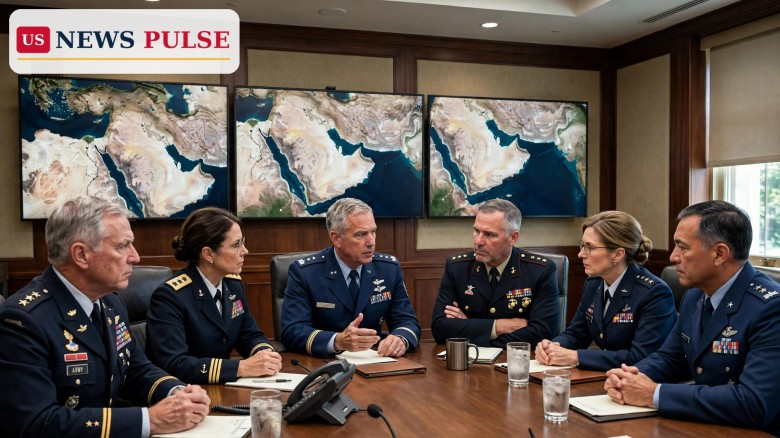



Chemical Weapons Warning: Israel Tells US Iran May Be Weighing Their Use

Israel has shared intelligence with the United States and Gulf Arab governments warning that Iran is considering using chemical weapons against its adversaries, according to a New York Times report published on Tuesday, November 3, 2026 — a claim that has divided officials in Washington and drawn a sceptical response from Gulf capitals as the eight-month-old US-Iran war grinds on.
Israeli officials argue the chemical threat from Tehran is now more urgent than Iran's nuclear threat, claiming Iran is developing technology to deliver chemical weapons by missile or smuggle them into enemy countries. Some American officials see the briefings as a pressure campaign by Prime Minister Benjamin Netanyahu to persuade President Donald Trump to resume major combat operations; others take the warnings seriously.
Key Points
- The New York Times reported on Tuesday, November 3, 2026, that Israel has briefed the US and Gulf countries on intelligence saying Iran is considering chemical weapons use.
- Israeli officials argue the chemical threat now outweighs Iran's nuclear threat, citing missile delivery or smuggling.
- Some US officials view the briefings as a Netanyahu pressure campaign to push President Trump back to major combat operations; others take them seriously.
- Gulf governments reportedly found the briefings "unserious", with a regional official saying conclusions came without supporting evidence.
- Israel's Home Front Command has made no unusual chemical-warfare preparations, and Iran has repeatedly denied possessing chemical weapons.
What Happened
According to the New York Times, Israel has shared intelligence assessments with Washington and Gulf Arab states asserting that Iran is weighing the use of chemical weapons. The briefings came as the US and Iran pursue parallel tracks of negotiation and confrontation, with American officials publicly describing progress in talks even as US forces remain postured for strikes.
The report did not say Israel had presented evidence of an imminent chemical attack, nor identify a specific target or timetable. It also noted that Israel's Home Front Command has made no unusual chemical-warfare preparations, and that its drills this week have not focused on the chemical threat.
The disclosure comes at a sensitive moment. Separate reporting has said US Central Command has a plan that could strike Iran as early as Wednesday, after the midterms, with three US aircraft carriers expected in the region — though that reporting stressed it does not mean President Trump has authorised an attack. Vice President JD Vance said on Monday that talks with Iran have made progress, with no US deadline for a deal.
Background: A War in Its Ninth Month
The US-Iran war began on February 28, 2026, and is now in its ninth month, spanning American strikes on Iranian targets, Iranian threats against US interests, attacks on Gulf shipping, and repeated rounds of Qatari-mediated diplomacy. President Trump has at times called it a "very soft" war, even as the Pentagon has built up forces in the region.
Chemical weapons have long been part of the intelligence picture around Iran, though never at its centre. A 2024 US assessment warned Tehran was likely continuing research into chemical and biological agents for offensive purposes. Iran has repeatedly denied possessing chemical weapons and is a party to the Chemical Weapons Convention. Its own history runs the other way: during the 1980s Iran-Iraq war, Iraqi forces used chemical weapons extensively against Iranians.
Iran Chemical Weapons: What the Claim Would Mean
If the Israeli assessment were correct, it would mark a dangerous escalation in a war fought so far with conventional missiles, drones, air strikes and naval confrontations. Chemical weapons are banned under international law because they are indiscriminate: they cannot be aimed at a military target without endangering nearby civilians, and their effects are exceptionally difficult to treat at scale.
The two delivery methods cited matter for different reasons. A missile-delivered chemical weapon would be detectable in principle by missile defences but terrifying in its implications. Smuggled agents would point toward covert use — harder to attribute, harder to deter and harder to defend against. The report did not specify which agents Israel believes Iran possesses.
Reactions and Quotes
Inside the US government, the reporting describes a genuine split. Some officials see the briefings as a pressure campaign by Mr Netanyahu to persuade Mr Trump to resume major combat operations after the midterms. Others take the warnings seriously, pointing to Iran's threats and long-standing US intelligence concern about Iranian chemical and biological research.
In the Gulf, the reception was cooler. Governments there reportedly found the briefings "unserious", and a regional official said Israeli representatives had presented conclusions without supporting evidence. That scepticism matters, since Gulf states host major US military bases and would be on the front line of any wider war.
Israel's Prime Minister's Office said it does not comment on the specific claims but is following every threat closely. Iran has repeatedly denied possessing chemical weapons, and there was no immediate Iranian response to the specific claims in the report.
Why It Matters
The claim matters for three reasons. First, timing: it arrives just as the midterms conclude and as reports suggest American military options are being readied, when the choice between diplomacy and escalation is most acute. A credible chemical threat would strengthen those arguing for strikes; a discredited one would strengthen those arguing for talks. Second, the Gulf reaction: if the Arab states most exposed to Iranian retaliation are unconvinced, Washington will struggle to build a regional coalition for further action. Third, the negotiations: a chemical weapons allegation could either accelerate a settlement, by raising the cost of failure, or derail it by hardening positions.
What Happens Next
Watch four things in the coming days. Whether the Trump administration endorses, distances itself from, or stays silent on the Israeli assessment. Whether Israel produces more detailed evidence that would move Gulf sceptics. Whether the reported US Central Command strike plan moves forward after the midterms, and whether any chemical weapons claim is cited as justification. And whether the Qatari-mediated talks survive the allegation or stall because of it.
For now, the story remains an intelligence warning, shared with allies, received with division in Washington and scepticism in the Gulf — with no visible mobilisation to suggest anyone expects a chemical attack tomorrow.
Frequently Asked Questions
What exactly did Israel claim about Iran?
According to the New York Times, Israel shared intelligence with the US and Gulf countries saying Iran is considering using chemical weapons, and is developing technology to deliver them by missile or smuggle them abroad.
Has Iran used chemical weapons before?
There is no established record of Iran using chemical weapons. Iran was itself a victim of large-scale Iraqi chemical attacks during the 1980s Iran-Iraq war, and denies possessing them.
What evidence has been made public?
None so far. The report describes briefings in which conclusions were presented, but Gulf officials found them unconvincing, saying supporting evidence was not provided.
Why do some US officials doubt the warnings?
Some see the briefings as a pressure campaign by Prime Minister Netanyahu to persuade President Trump to resume major combat operations; others take them seriously given Iran's threats and the 2024 US assessment.
Related coverage: Vance on Iran talks, Trump on the Qeshm strike, and Netanyahu urges Trump to strike.
Leave a Comment