


 | Today's Date:



Alaska Ballot Measure 2 Fails as Voters Keep Ranked-Choice Voting by Widest Margin Yet
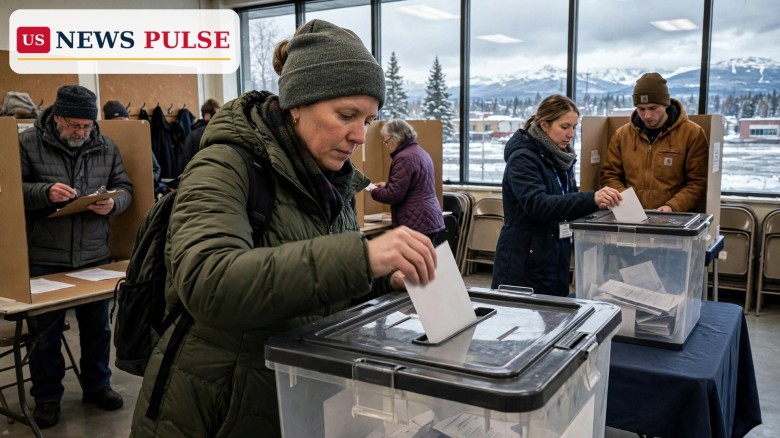
ANCHORAGE, Alaska — Alaska voters have rejected a second attempt to repeal open primaries and ranked-choice voting, by the widest margin since the reforms were adopted. With about 13 percent of the expected vote still to be counted, Ballot Measure 2 was trailing 52.6 percent to 47.4 percent in the Alaska Division of Elections' latest results, published Tuesday, November 10 — a gap of nearly 12,000 votes and widening.
The result means Alaska will keep the top-four open primary and ranked-choice general election system voters approved in 2020, along with the campaign finance disclosure rules that came with it. Unlike in 2020 and 2024, when the pro-reform vote had to come from behind, the "No" vote started ahead on election night and has grown ever since.
Key Points
- Ballot Measure 2, which would have repealed Alaska's open top-four primary and ranked-choice voting, is failing 52.6 percent to 47.4 percent, with 13 percent of the vote still to be counted.
- The gap of nearly 12,000 votes has widened from about 7,600 votes days earlier, and analysts project the repeal will fail by its widest margin yet.
- Alaska adopted the system in 2020 by about 50.5 percent; a 2024 repeal attempt failed by just 743 votes after a recount.
- Ballot Measure 3, requiring United States citizenship to vote — already a requirement — is passing with about 69.1 percent support.
- Absentee ballots can still arrive through November 13 (inside the US) and November 18 (overseas); certification is due November 25.
What Happened
Alaska voters went to the polls on Tuesday, November 3, 2026, and Ballot Measure 2 was one of the most closely watched questions on the ballot. It asked voters to scrap the system they adopted six years ago and return to closed party primaries and single-choice elections, where the most votes win even without a majority. From the first results, the answer was no: "No" led 51.2 percent to 48.8 percent with 27 percent of the expected vote still outstanding, and by November 10 it had widened to 52.6 percent against 47.4 percent.
The Associated Press has not formally called the measure, because there are technically still enough outstanding ballots to change the outcome. But to win, "Yes" would need about two-thirds of every ballot left to count, after losing every stage of the count so far — which is why analysts have already projected that the repeal will fail by its widest margin yet.
Background: How Alaska Adopted Ranked-Choice Voting
Alaska's election system dates to Ballot Measure 2 of 2020, when voters narrowly approved a package of reforms by about 50.5 percent. It replaced closed party primaries with a single open primary: every candidate on one ballot, and every voter can vote for anyone. The top four finishers advance to the general election, where voters rank them in order of preference. If no candidate wins an outright majority of first-choice votes, the last-place candidate is eliminated and those ballots go to voters' next choices, repeating until one candidate passes 50 percent. The same 2020 measure also tightened campaign finance disclosure, requiring disclosure of the true source of election spending.
The system has now survived two repeal attempts. The first, in 2024, failed by just 743 votes after a recount — one of the closest statewide results in Alaska history. This year's attempt was losing by nearly 12,000 votes with counting still under way, a margin more than sixteen times larger.
Why Ranked-Choice Voting Survived in Alaska
The simplest explanation is the math. In both 2020 and 2024, the pro-reform vote had to come from behind, waiting on late absentee ballots to overturn an early deficit. This time the "No" vote started ahead on election night and kept growing, which meant repeal needed a full reversal among the ballots still to be counted. Scott Kendall, a leading advocate for the reforms, put it bluntly: "The mandate from Alaska voters is clear at this point: They want to keep their reforms."
Kendall also pointed to the campaign finance rules on the ballot, including the "true source" disclosure requirements — and the Aurora Action Network, a dark-money committee that funded the repeal campaign.
Reactions
Kendall, writing as the count widened, said voters "don't want to go back to a system in which the parties decide their voting rights, particularly the 63 percent of the electorate registered as independents." He added that voters "don't want to go back to a system in which the type of partisan games" seen in this election "could have actually spoiled the outcome because winners can be chosen by plurality instead of a majority." He also raised the question of whether repeal supporters will try again. "There is nothing stopping the repeal campaign from trying a third time," Kendall wrote, "but after back-to-back losses, and with a stronger majority than ever before in favor of reform, will they seriously put voters through this again?"
Why It Matters
Alaska is the most closely watched test case in America for open primaries and ranked-choice voting. Reformers elsewhere cite Alaska as proof the system can survive in a conservative state; a second, wider rejection weakens the case against it. The result also matters for how Alaska itself is governed: the Senate contest between Democrat Mary Peltola and Republican Dan Sullivan is still uncalled, and its winner will be settled by the ranked-choice tabulation scheduled for November 18. The same rules voters have now defended twice will determine who represents Alaska in the United States Senate. Read more in our coverage of Peltola's slim lead over Sullivan and the earlier Sullivan lead.
What Happens Next
Counting continues. Absentee ballots postmarked by Election Day can arrive through Friday, November 13, from inside the United States and through November 18 from overseas. The Division of Elections will run the ranked-choice tabulation for races with no majority winner on November 18, and the state aims to certify the full results on November 25. For background on the voting-access disputes that shaped this election, see our report on the rural polling-places lawsuit.
Frequently Asked Questions
What is Alaska Ballot Measure 2?
A 2026 ballot question asking voters to repeal the open top-four primary and ranked-choice system adopted in 2020. Voters rejected it, with "No" leading 52.6 percent to 47.4 percent.
What does ranked-choice voting mean in Alaska?
Voters rank up to four candidates in order of preference. If nobody wins a first-choice majority, the last-place candidate is eliminated and those ballots go to voters' next choices, until one candidate passes 50 percent.
Is the result final?
Not yet — about 13 percent of the vote was still outstanding and certification is due November 25 — but the nearly 12,000-vote lead is wide enough that analysts project the repeal will fail.
What happens on November 18?
The Division of Elections will run the ranked-choice tabulation for races with no first-choice majority, including the still-uncalled Senate race. Absentee ballots from overseas can also arrive through that day.
What is Ballot Measure 3?
It would require United States citizenship to vote. It is passing with about 69.1 percent support, although citizenship is already required to vote under state and federal law.
Leave a Comment