


 | Today's Date:





Google Smart Glasses Preorders Open at $395 Ahead of December 10 Launch
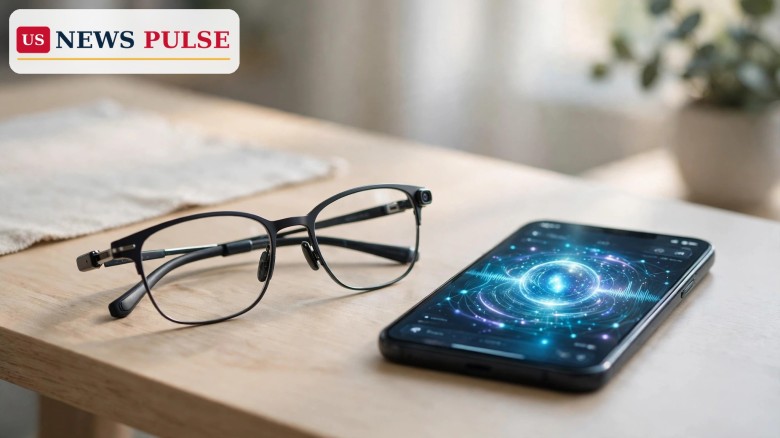
Google opened preorders on Thursday, November 12, 2026, for its first smart glasses, a Gemini-powered pair of Intelligent Eyewear built with Samsung and framed by Warby Parker and Gentle Monster, with general sales and shipping starting December 10, 2026. The Google smart glasses start at $395, undercutting Meta's newest Ray-Ban Meta camera glasses by $54, and mark Google's return to a category it helped create more than a decade ago — this time with artificial intelligence at the centre.
Buyers can reserve a pair now, choosing from two frame partners and 30 variations at launch. The glasses run Android XR, Google's operating system for extended-reality devices, and put the Gemini assistant a voice command away. One notable omission: this first version has no display in the lens, so visual feedback still comes through the paired phone.
Key Points
- Preorders opened Thursday, November 12, 2026; general sales and shipping begin December 10, 2026, in the United States and South Korea.
- Warby Parker frames start at $395, in three styles with 14 variations: Alden, Reid and Wren. Gentle Monster frames cost $449 to $489, in six designs with 16 variations.
- The glasses run Android XR on a Qualcomm Snapdragon AR1 Gen 1 chip, with 2GB of RAM, 64GB of storage, a 12-megapixel camera and about nine hours of battery. No display — Google says a display version is coming later.
- They work with Pixel 7 and newer, select Samsung Galaxy phones on One UI 9 or later, and iPhone 13 Pro and later. Age verification is required, and only Google accounts from the US and South Korea can activate them.
- At $395, the entry-level pair is $54 below Meta's Ray-Ban Meta Gen 3, which starts at $449.
What Happened
Google opened the preorder page on Thursday, November 12, 2026, a day after briefing press on the device. The Warby Parker frames start at $395 and come in three styles — Alden, Reid and Wren — with 14 variations across colours and sizes. The Gentle Monster frames, from the South Korean eyewear brand known for bold designs, start at $449 and run to $489, with six designs and 16 variations.
General sales and shipping begin December 10, 2026, in the United States and South Korea, the two launch markets. Only Google accounts registered in the US and South Korea can activate the glasses, and buyers must pass an age-verification check before completing a purchase. The pricing sets up a direct contest with Meta, whose newest Ray-Ban Meta camera glasses start at $449 — $54 more than Google's entry-level pair.
Background and Context
Google has been here before. Google Glass, launched as an Explorer edition in 2013, was the first mainstream attempt at smart glasses, but its high price, short battery life and privacy backlash pushed it out of the consumer market and into enterprise use before Google ended the programme in 2023. The wearer-facing camera drew particular criticism, and the device became a cautionary tale for the whole category.
The market looks very different now. Meta's Ray-Ban smart glasses, built with EssilorLuxottica, have become the first smart glasses to sell in meaningful numbers, and the third generation launched this year added a display in the lens. Snap, Apple and Samsung have all signalled their own wearable plans, and the race is now about which company puts a useful AI assistant on your face first. More on Google's AI push in our report on Google launching Gemini 4 Hydrogen, its fastest AI model yet.
Google Smart Glasses: Price, Specs and Features
The headline numbers: a 12-megapixel camera for photos and video, about nine hours of battery life on a charge, 2GB of RAM and 64GB of storage, on a Qualcomm Snapdragon AR1 Gen 1 chip. The camera sits in the frame and is designed for quick capture and for Gemini to see what the wearer sees — identifying objects, reading signs and answering questions about the surroundings.
Compatibility is broad but not universal. The glasses work with Pixel 7 and newer phones, select Samsung Galaxy phones running One UI 9 or later, and iPhone 13 Pro and later models. That iPhone support matters: Google is not limiting the glasses to Android owners, which widens the potential buyer pool well beyond Pixel users. The launch limits are real, though — only the US and South Korea get the glasses in December, and age verification is required at purchase, a careful move on a device whose camera records the world around its wearer.
Reactions and Quotes
Google has positioned the glasses as an everyday pair of frames first and a computer second, leaning on Warby Parker and Gentle Monster to make them look like ordinary eyewear rather than a gadget. The $395 starting price is the clearest signal of that strategy: it undercuts Meta's newest Ray-Ban glasses while offering a comparable camera and the Gemini assistant. The AI funding race behind all of this is heating up too — more in our report on Anthropic's record $64.4 billion IPO.
Why It Matters
Smart glasses are becoming the next front in the AI race. Phones put an assistant in your pocket; glasses put one on your face, able to see what you see and hear what you hear. Whoever controls that experience controls a new stream of searches, purchases and data — which is why Google, Meta, Apple and Samsung are all racing to get there first.
What Happens Next
The first real test comes December 10, when general sales open and shipping begins in the US and South Korea. Early reviews will focus on the two questions Google has left open: how well Gemini works through glasses without a display, and whether nine hours of battery life holds up in real use. Google has not said when the display version will arrive or what it will cost. Watch, too, whether Meta answers the $395 price with a cut of its own. It has already been a turbulent week for big tech — more in our report on the Microsoft 365 outage entering its second day.
Frequently Asked Questions
How much do Google's smart glasses cost?
Warby Parker frames start at $395. Gentle Monster frames cost $449 to $489.
When can I buy Google's smart glasses?
Preorders opened November 12, 2026. General sales and shipping start December 10, 2026, in the United States and South Korea.
Do Google's smart glasses have a display?
No. This first version has no display in the lens. Google says a display version is coming later.
Which phones work with Google's smart glasses?
Pixel 7 and newer, select Samsung Galaxy phones on One UI 9 or later, and iPhone 13 Pro and later.
How do they compare with Meta's Ray-Ban glasses?
Google's $395 starting price is $54 below the $449 Ray-Ban Meta Gen 3, with a 12-megapixel camera and about nine hours of battery; Meta's newest pair adds a display option Google does not yet offer.
Leave a Comment