


 | Today's Date:





Four Crew Injured as Projectile Hits Tanker MT Fujairah Energy in Persian Gulf
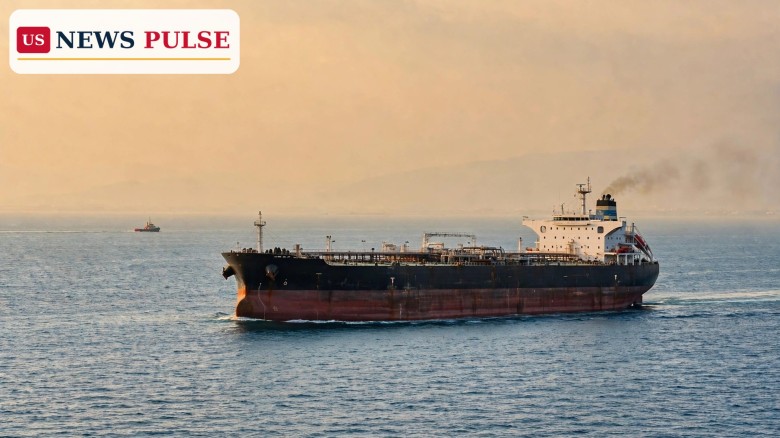
Four crew members were injured on Tuesday when a projectile struck the Liberia-flagged very large crude carrier MT Fujairah Energy in the Persian Gulf, in the first Hormuz-campaign attack reported to have wounded seafarers. The vessel was sailing from Al Ruwais to Dubai when it was hit. One of the injured, an Indian national, suffered minor injuries and was taken ashore for medical examination. India confirmed the attack on Wednesday and said it was working with the ship's managers to look after the crew.
Key Points
- What happened: A projectile hit the Liberia-flagged VLCC MT Fujairah Energy in the Persian Gulf on Tuesday, November 10, 2026, while it sailed from Al Ruwais to Dubai.
- Casualties: Four crew were injured, including one Indian seafarer with minor injuries taken ashore. The other 18 crew are safe.
- Confirmed by: India's ports minister Sarbananda Sonowal, on Wednesday, November 11.
- Why it stands out: The first tanker attack in the current Hormuz campaign reported to injure crew.
- Wider picture: 37 ships were attacked in the strait and nearby waters in October, the most in a month of the war; 10 more followed in November.
What Happened
The MT Fujairah Energy, a very large crude carrier under the Liberian flag, was struck by a projectile on Tuesday, November 10, 2026, as it crossed the Persian Gulf from Al Ruwais to Dubai. Four crew members were injured. One, an Indian national, suffered minor injuries and was safely taken ashore for further medical examination. Six of its 22 crew were Indian seafarers, and the other 18, including the other five Indians, are safe and accounted for.
India's ports minister Sarbananda Sonowal confirmed the attack on Wednesday, November 11, saying the government was monitoring the situation and coordinating with the ship's managers. No group has claimed responsibility, and no attacker has been named. The damage was not immediately detailed, and it was not clear whether the tanker continued to Dubai or diverted for inspection. A separate UKMTO strike near Lima the same day left its crew safe, and an ADNOC vessel damaged in UAE waters is separate.
Background and Context
The attack comes in the ninth month of the US-Iran war, which began on February 28, 2026. Since then, commercial shipping in the Gulf and the strait has faced a sustained campaign of attacks. The strait is a crucial corridor for energy shipments, and the attacks threaten global trade and the seafarers who keep it moving.
Washington Institute data, reported by Reuters, show 37 ships were attacked in the strait and nearby waters in October, the highest monthly total of the war, with 10 more attacks already in November. The Joint Maritime Information Center keeps the Hormuz threat level at SEVERE. In late October the LNG carrier Al Mayeda was hit in the Arabian Gulf, days later a seafarer was killed in a suspected missile strike on the MT Velos Sapphire, and two tankers exploded after hitting mines in early November.
MT Fujairah Energy Attack Puts Seafarers at the Centre of the Gulf Campaign
What makes the Fujairah Energy attack different is not the vessel or the weapon, but the people on board. Until now the Hormuz campaign had damaged ships, set tankers on fire and, in the Velos Sapphire case, killed a seafarer. This is the first attack reported to have left several crew injured, underlining a shift building for weeks: the danger to ordinary merchant sailors is no longer theoretical.
That danger has fallen heavily on Indian seafarers, who make up a large share of Gulf crews. On November 3, India's foreign ministry said the country had lost 23 nationals in the West Asia conflict, 15 of them seafarers. Last month the tanker MT Louise 1, carrying 27 Indian seafarers, was struck by limpet mines in the strait near Oman's Khasab. A fire broke out, but all 27 escaped unharmed. The Fujairah Energy attack shows that luck cannot be relied on.
Reactions and Quotes
India's government moved quickly to confirm the attack and reassure the families of the crew. Sarbananda Sonowal said in a post on X: "We are continuously monitoring the situation and remain in close contact with the ship management company to ensure the ongoing security, medical care and wellbeing of our seafarers." His ministry said the government was coordinating with the ship's managers to ensure medical care and the safety of those affected. The confirmation came from New Delhi rather than the vessel's owners, reflecting how closely India now follows attacks on ships carrying its nationals. No statement had been reported from the ship's managers, and no group had claimed the strike.
Why It Matters
First, it confirms that crew injuries, not just damage to hulls and cargoes, are now part of the Hormuz campaign. Seafarers cannot be protected the way a hull can, and every injury raises the human cost of keeping the Gulf's lanes open.
Second, it adds pressure to a route the world economy depends on. The Strait of Hormuz normally carries about a fifth of the world's traded oil. If crews refuse Gulf voyages or insurers raise war-risk premiums, the cost of moving oil through the strait will rise, reaching fuel prices far from the Gulf.
Third, it lands at a delicate moment for diplomacy. A prisoner exchange was agreed at Abu Dhabi talks this week, but Iran's security chief said on Tuesday that no negotiations were under way and the strait would stay shut until seven Iranian conditions were met. Attacks on shipping and the search for a settlement are running in parallel, and each strike makes the other harder.
What Happens Next
The immediate priority is the injured crew. The Indian seafarer taken ashore is receiving further medical examination, and India's government says it will stay in close contact with the ship's managers. The condition of the other three injured crew members has not been publicly detailed, and the vessel's next movements have not been confirmed.
Investigators will want to establish what hit the Fujairah Energy and where the projectile came from. No attribution has been made, and earlier incidents often went unattributed for days. The SEVERE rating is expected to remain while attacks continue, and shipowners will weigh rerouting, extra security or pausing Gulf transits. Until a settlement is reached, merchant crews in the Persian Gulf remain on the front line of a war they did not choose.
Frequently Asked Questions
What is the MT Fujairah Energy? A Liberia-flagged very large crude carrier, hit while sailing from Al Ruwais to Dubai on Tuesday, November 10, 2026.
How many crew were injured? Four, including one Indian national with minor injuries taken ashore; the other 18 are safe.
Who confirmed the attack? India's ports minister Sarbananda Sonowal, on Wednesday, November 11.
Has anyone claimed responsibility? No. No group has claimed the strike, and no attacker has been named.
How many ships have been attacked? 37 in the strait and nearby waters in October, the most in a month of the war, with 10 more in November.
Read more: Velos Sapphire seafarer killed in suspected missile strike | Al Mayeda LNG tanker attack draws Qatar condemnation | Two Hormuz tankers explode after hitting mines
Leave a Comment