


 | Today's Date:





Ultra-Processed Foods: WHO Urges Governments to Regulate in New Guidance
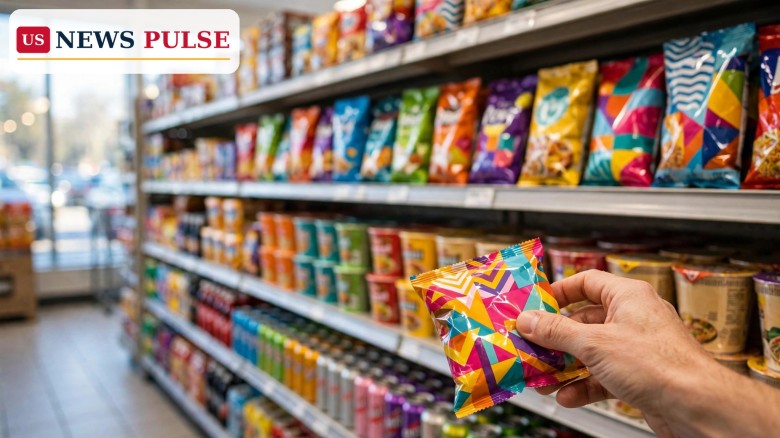
The World Health Organization has told governments to consider regulating foods made more appealing with added colours, flavours and sweeteners, in first-of-its-kind guidance from the UN health agency — drawing a sharp industry response.
The WHO's draft food-profiling model, published last week, is the first time the agency has included this type of ingredient in its guidance. Until now, its advice focused only on nutritional content such as fat and salt. The model helps governments identify foods to consume in moderation, and which products could then face warning labels or taxes.
Around 11 million deaths a year are linked to unhealthy diets, according to the agency, based on data from a global study. That toll is the backdrop to a proposal amid a polarised argument about ultra-processed foods, which now fill a large share of supermarket shelves in the United States and worldwide.
Key Points
- The WHO published a draft food-profiling model last week, the first to include added colours, flavours and sweeteners.
- The model helps governments identify foods to consume in moderation, which could face warning labels or taxes.
- Around 11 million deaths a year are linked to unhealthy diets.
- The food industry warned the approach could capture more products for regulation.
- The proposal is out for consultation until November 27, 2026.
What Happened
The World Health Organization published its draft food-profiling model last week, and the food industry pushed back within days. The model scores foods so policymakers can decide which products belong in the "consume in moderation" group and which might face warning labels, marketing limits or taxes.
What makes this draft different is its scope. Previous WHO guidance looked only at nutrients — how much fat, salt or sugar a product contains. This draft goes further, recognising that foods may also need to be judged on how they are made and what has been added to make them appealing. The WHO's Katrin Engelhardt said: "This draft goes beyond traditional nutrient profiling by recognising that foods may need to be considered not only for their nutrient content, but also for other aspects of their formulation" in order to prevent diet-related disease.
The WHO said the model covers "industrially-produced foods to be consumed in moderation", a bridge between its healthy-diet recommendations and government policy on individual products.
Background: The Ultra-Processed Food Debate
At the heart of the draft is the debate over ultra-processed foods, often shortened to UPFs. These are foods or drinks made using industrial processing techniques, additives and industrial ingredients, and they often contain little whole food. The WHO cites carbonated soft drinks and instant noodles as examples, but the category stretches across the modern supermarket.
Many food scientists link heavy consumption of ultra-processed foods to obesity, type 2 diabetes and heart disease. Others — and the food industry — argue the category is defined too widely and risks demonising products that can be part of a healthy diet. That disagreement has made ultra-processed food one of nutrition's most polarised subjects, and the WHO's draft is its attempt to give member states a practical way through it.
WHO Ultra-Processed Food Guidance: What It Would Change
If adopted, the WHO ultra-processed food guidance would not ban any product or set a global rule. Instead, it would give each government a ready-made method for deciding which foods deserve a warning label, a tax or a marketing restriction. Countries would still set their own priorities, so the same product could be labelled in one country and left alone in another.
That flexibility is deliberate: food cultures and regulatory systems differ widely, and a single global list would be unworkable. But it matters: it would be the first time a UN agency has formally told governments that added colours, flavours and sweeteners are a legitimate reason to single a product out. Lindsey Smith Taillie, of the University of North Carolina's Global Food Research Program, said the model targets unhealthy foods by combining nutrients and ultra-processed foods: "These two frameworks have never been mutually exclusive and can and should be used by policymakers as the starting place."
Reactions: Industry Pushback and Public-Health Support
The industry's response was swift. The International Food and Beverage Alliance, representing major multinational food and beverage companies, said the approach shifts attention away from nutritional quality and could capture more products for regulation.
"Of particular concern is the potential to undermine established nutrition priorities and reformulation efforts," said IFBA Secretary General Rocco Renaldi. The alliance warned of higher reformulation costs, stricter labelling, class-action lawsuit risk as seen in the United States, and higher taxes for processed food companies.
Kraft Heinz chief executive Steve Cahillane told Reuters last week that industry should have a say. "We're in the food business and we care about consumers deeply," Cahillane said. "And so we ought to have a seat at the table as these discussions evolve."
Why It Matters
The stakes are large. Around 11 million deaths a year are linked to unhealthy diets, and ultra-processed foods now make up a major share of calories in the US and other wealthy countries. If governments treat added colours, flavours and sweeteners as a trigger for regulation, recipes, marketing and the price of some of the cheapest foods on the shelf could all change.
For American shoppers, the debate is familiar: the US has seen class-action lawsuits over processed food, and several states and cities have debated taxes on sugary drinks. A WHO model linking formulation to regulation would give those efforts an international reference point — and give the industry a new reason to fight them.
What Happens Next
The WHO proposal is out for consultation until November 27, 2026. Governments, industry groups, researchers and consumer groups can submit comments, and the agency will then decide whether to finalise the model as drafted or revise it. The industry's objections — over reformulation costs, labelling, lawsuits and taxes — are likely to feature heavily.
Once finalised, the model will not apply itself. Each member state will decide whether and how to use it, with national warning labels or taxes likely first in countries that already regulate food aggressively.
Frequently Asked Questions
What is the WHO food-profiling model?
A draft tool helping governments identify foods to consume in moderation, so they can decide which products might face warning labels, taxes or marketing limits.
What counts as an ultra-processed food?
Food or drink made with industrial processing, additives and industrial ingredients, often containing little whole food. Examples include carbonated soft drinks and instant noodles.
Will the WHO guidance ban any foods?
No. The model does not ban products or set a global rule. It gives governments a method for deciding which foods to regulate, and each country sets its own priorities.
Which foods could face warning labels or taxes?
Foods the model identifies as industrially produced and meant to be consumed in moderation, particularly those with added colours, flavours or sweeteners.
When will the guidance be final?
The proposal is out for consultation until November 27, 2026, after which the WHO will finalise the model.
Read more: FDA Orders Ozempic, Wegovy, Mounjaro and Zepbound to Warn of Vision-Loss Risk and Reuters Investigation: US Left Exposed to Screwworm as Cases Reach 120.
Leave a Comment