


 | Today's Date:

Trump Questions Midterm Results and Revives Fraud Claims After Democratic Sweep
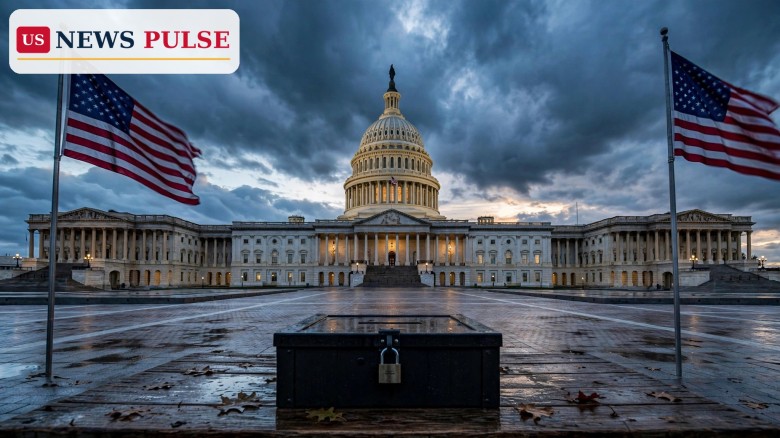
President Donald Trump questioned the legitimacy of the 2026 midterm results on Monday, November 9, 2026, reviving unproven fraud claims six days after the election gave Democrats control of both chambers. In a Truth Social post, Trump asked whether anyone believed the election had been honest, alleged without evidence that large early-voting counts made Republican victories impossible, and blamed voting machines, reversing his election-night acceptance of the results.
Key Points
- Trump posted on Truth Social on Monday, November 9, 2026, questioning whether the November 3 midterm election was honest.
- He alleged without evidence that early-voting counts made Republican wins impossible and said machines matter more than voters.
- He offered no specific evidence of error or wrongdoing and did not explicitly call the election stolen or rigged.
- The post reverses his election-night position, when he told the New York Times he was absolutely willing to accept the results.
- Democrats swept both chambers: 254 House seats to 162 for Republicans and 54 Senate seats to 44.
What Happened
Trump wrote on Truth Social on Monday morning: "Does anybody really believe that this 'Election' was honest. How could the Polls be so wrong???" He alleged that large early-voting "dumps" had made it impossible for Republicans to win, and added: "It's all about the machines, which are far more important than the voter!" The post named no county or precinct and gave no figures to support the claim. Over the weekend he had reposted screenshots from election-sceptic accounts questioning Democratic turnout and late-night counts. Election officials across the country have reported no evidence of widespread fraud in the 2026 midterms, and the results have been certified through the normal state processes.
Trump did not say the election was stolen or rigged, the words he used after losing the 2020 presidential election. In a separate remark on Monday he added: "I wasn't on the Ballot and if I was, we would have won IN A LANDSLIDE!" The two messages sat side by side — the election was both illegitimate and, in his telling, a contest he would have won easily had he been on the ballot.
Background: From Acceptance to Accusation in Six Days
On election night, Trump sounded very different. Speaking to the New York Times as results came in, he said: "I am absolutely willing to accept those results." In the days that followed he congratulated Democrats on their victory, even as he blamed Republican candidates and fuel costs for the scale of the defeat. That acceptance lasted less than a week.
The results left little doubt about the scale of the Democratic win: the House 254 seats to 162, the largest Democratic majority since 2008, and the Senate 54 to 44 after flipping seven seats, including races in Texas, Ohio and Kansas. Democrats also flipped five governorships, and turnout reached 49 percent, the second-highest for a midterm since 1914. Polls had simply underestimated Democratic turnout, especially among young and Hispanic voters; pollsters acknowledge the miss, and none says the count was wrong.
Trump Midterm Fraud Claims Echo His 2020 Allegations
The claims echo the unfounded fraud allegations Trump made after losing the 2020 presidential election to Joe Biden — allegations rejected by courts, by his own attorney general and by Republican election officials in the states where they were raised. In 2020, as now, the central charge was that votes counted after election night, many mailed in, were somehow illegitimate. In 2020, as now, no evidence was produced. This time he was not even on the ballot.
Democrats now control the House committees that can investigate his administration. The voting-machine claim has a history, too. Machines have been a focus of election conspiracy theories since 2020, and repeated audits, recounts and court cases have found no evidence that machines changed votes. Trump's claim offered no new evidence — only the same suspicion, restated six years on.
Reactions and Quotes
Trump's own words framed the story. "Does anybody really believe that this 'Election' was honest. How could the Polls be so wrong???" he wrote. "It's all about the machines, which are far more important than the voter!" On election night he had told the New York Times: "I am absolutely willing to accept those results." And on Monday he added: "I wasn't on the Ballot and if I was, we would have won IN A LANDSLIDE!"
Democrats have not needed to respond at length: the results speak for themselves, and party leaders have spent the week preparing to take control of Congress. Republican reactions have been muted, with party figures caught between a president who remains their most powerful voice and a midterm defeat many blame on his policies, including the Iran war and the cost of living. Some Republicans had already begun distancing themselves from Trump; his claims give them another reason to keep their distance.
Why It Matters
It matters because a president questioning an election he did not contest, without evidence, strikes at the legitimacy of the Congress voters have just chosen. If the president's supporters are told the result was dishonest, that framing will shadow every vote the new Congress takes.
It also matters for what comes next. Trump's first reaction was to congratulate the winners and offer to work with them, even floating cooperation on immigration. His second is to question whether they won fairly. Which of those two Trumps governs for the next two years will shape whether divided government produces deals or deadlock.
What Happens Next
Nothing in Trump's post changes the results. The midterm counts are certified by the states, and the new Congress will be seated in January regardless of what is posted on Truth Social. What the post changes is the atmosphere: Republican officials will be pressed on whether they agree with the president, and Democrats will cite his election-night acceptance against his Monday doubts. The pattern of turning a polling miss into a fraud charge is now established, and it is likely to recur as the 2028 race takes shape.
Frequently Asked Questions
What did Trump say about the midterm results?
On Truth Social on Monday, November 9, 2026, he asked whether anyone believed the election was honest, alleged without evidence that large early-voting counts made Republican wins impossible, and said machines matter more than voters.
Did Trump provide evidence of fraud?
No. He offered no specific evidence of error or wrongdoing, named no county or precinct, and did not explicitly call the election stolen or rigged.
Did Trump accept the results on election night?
Yes. He told the New York Times: "I am absolutely willing to accept those results," and later congratulated Democrats on their victory.
What were the midterm results?
Democrats won the House 254 seats to 162 and the Senate 54 to 44, flipping seven Senate seats, and flipped five governorships. Turnout was 49 percent, the second-highest for a midterm since 1914.
Have Trump's fraud claims been proven before?
No. Courts, his own attorney general and Republican election officials rejected his unfounded 2020 fraud allegations.
Read more: Democrats Reach 254 House Seats as More Midterm Races Are Called | Trump Absolutely Willing to Accept Midterm Results, Will Work With Democrats | Trump Congratulates Democrats After Midterm Sweep
Leave a Comment