


 | Today's Date:

G7 Ministers Meet in Paris as Trump's Midterm Defeat Reshapes Ukraine and Iran Policy
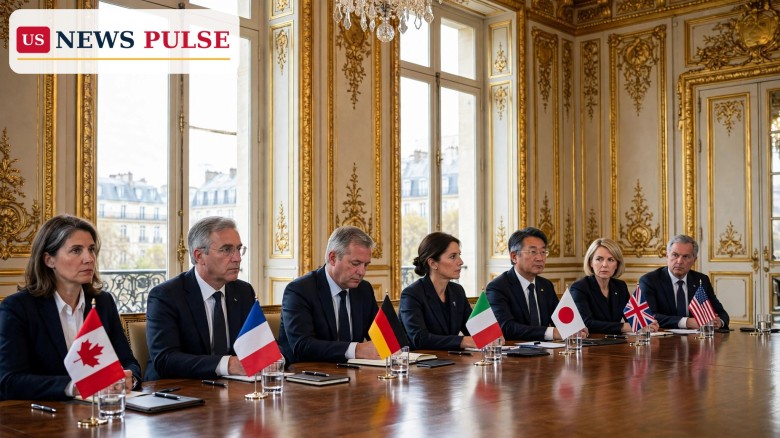
G7 foreign ministers gathered in Paris on Monday, November 9, 2026, for their first face-to-face meeting with Washington since President Donald Trump's midterm defeat, to test whether the result changes the United States' approach to Ukraine, Iran and its allies. Moved at short notice from Marseille to Paris after weeks of protests across France, it put Secretary of State Marco Rubio before America's partners for the first time since voters handed Democrats control of Congress.
Key Points
- G7 foreign ministers met in Paris on Monday, November 9, 2026, the first chance for Washington's allies to gauge how Trump's midterm defeat changes US policy on Ukraine, the Middle East and relations with allies, four G7 diplomats told Reuters.
- The meeting was moved at short notice from Marseille to Paris after weeks of protests across France.
- Ukraine topped the agenda, with diplomats warning that Russia is systematically targeting energy infrastructure to trigger a nationwide winter blackout, and that Patriot interceptor shortages are Kyiv's most urgent vulnerability.
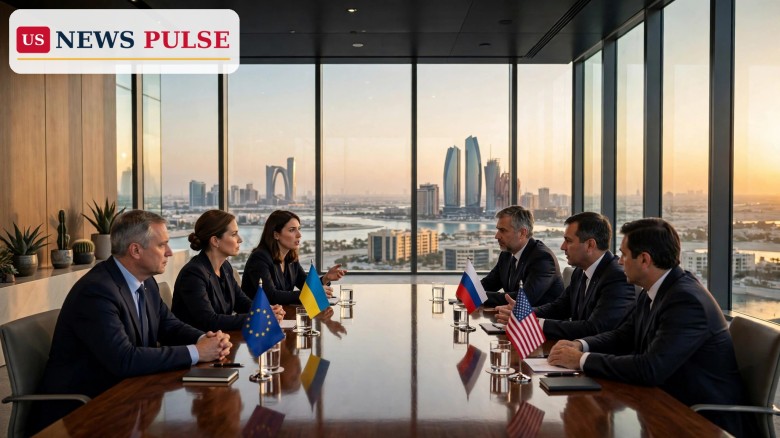
- The ministerial came ahead of trilateral Ukraine-Russia-US talks in Abu Dhabi on November 10-11, with French, British, German, NATO and EU officials also there.
- Iran also featured prominently, with allies sceptical of the war and fearing further US military action could worsen the crisis, while France pushed a UN-backed security plan for southern Lebanon.
What Happened
The Paris gathering brought together the foreign ministers of the United States, Canada, Britain, France, Germany, Italy and Japan. Scheduled before the midterms, the election result turned it into the first formal test of whether the Trump administration's foreign policy survives a Congress now controlled by Democrats.
For Secretary of State Marco Rubio, seen in Washington as a possible 2028 presidential contender, it was a first appearance before allies since the vote. He arrived days after telling reporters that negotiations with Iran had made “no progress” — an assessment that undercut the more optimistic tone of Vice President JD Vance a week earlier.
Background/Context
The meeting came at a moment of unusual strain between Washington and its traditional allies. The United States has been at war with Iran since February 28, 2026, and diplomacy has lurched between optimism and deadlock. Vance said on November 2 that Washington had made “progress” in talks with Tehran and set no deadline for a deal. Six days later, Rubio said there was “no progress to report” and called Iran's demands “outrageous, ridiculous, and detached from reality.”
Ukraine faces its fourth winter of full-scale war with its energy grid under systematic attack. Diplomats in Paris warned that Moscow's campaign against power plants and transmission lines is designed to plunge the country into darkness and cold, and that Kyiv's Patriot interceptor stocks are running short — now its most urgent vulnerability.
G7 Foreign Ministers in Paris Press Rubio on Ukraine and Iran
The allies' message to Rubio, the diplomats told Reuters, was that Europe intends to be in the room when the big decisions are made. France confirmed on Sunday that Europeans will take part in the Abu Dhabi discussions, with Foreign Minister Jean-Noël Barrot telling RTL radio that “France will be there and will ensure that Europe's voice is heard.”
On Iran, the mood in Paris was one of open scepticism. Allies have doubted the wisdom of the war from the start, and several diplomats said they feared further American military action could deepen the crisis rather than end it. France used the meeting to press its case for a UN-backed security framework for southern Lebanon.
Reactions/Quotes
Rubio set the tone before he even reached Paris. Speaking to reporters on November 8 at Homestead Air Reserve Base in Florida, he said of the Iran negotiations: “I have no progress to report. There are several countries that continue to engage with Iran and put forward various ideas, but I would not say that we are on the verge of a breakthrough.” He added that President Trump's preference for diplomacy stood, but “sometimes that is impossible.”
That contrasted with Vance's remarks a week earlier, when the vice president said he and Trump “both feel pretty good about the prospects for potentially coming to a negotiated settlement” and confirmed Washington had set no deadline before strikes might resume. Trump himself said on Monday there was “positive momentum” toward a deal after meeting Qatar's prime minister, while adding that a resumption of strikes was “quite unlikely”.
Why It Matters
The Paris meeting matters because it is the first moment since the midterms when America's allies could ask the administration, face to face, what has changed. A president who has lost Congress does not automatically lose control of foreign policy, but the politics around the Iran war have shifted: about six in ten voters told the Associated Press voter poll that the United States made the “wrong decision” in taking military action against Iran.
For Ukraine, the stakes are immediate. If Russia destroys enough of the energy grid before winter, millions of civilians could face weeks without heat or power, and the Abu Dhabi talks will open with Kyiv at its most vulnerable. Whether Washington presses Moscow, supplies more interceptors, or accepts a European seat at the table will shape the talks and the winter ahead.
What Happens Next
Attention now moves to Abu Dhabi, where trilateral Ukraine-Russia-US talks open on Tuesday, November 10, and run through Wednesday. European, NATO and EU officials are expected there too, after France confirmed Europe will take part — a change from earlier rounds when the Europeans were kept out.
On Iran, diplomacy continues without a breakthrough in sight. Tehran's terms — an end to the American naval blockade, the release of seized assets and sanctions relief in exchange for reopening the Strait of Hormuz, with nuclear talks to follow — have been rejected repeatedly by Washington.
FAQ
Why did G7 foreign ministers meet in Paris on November 9, 2026? For a scheduled G7 meeting, moved at short notice from Marseille to Paris, and used to gauge how Trump's midterm defeat changes US policy on Ukraine, the Middle East and relations with allies.
What was the main issue on the agenda? Ukraine topped the agenda. Diplomats warned Russia is systematically targeting energy infrastructure to trigger a nationwide winter blackout, and that Patriot interceptor shortages are Kyiv's most urgent vulnerability.
What did Marco Rubio say? Rubio made his first appearance before allies since the elections. Days earlier he told reporters the Iran talks had made “no progress” and called Tehran's demands “outrageous, ridiculous, and detached from reality.”
What happens in Abu Dhabi this week? Trilateral Ukraine-Russia-US talks open in Abu Dhabi on Tuesday, November 10, and run through Wednesday, November 11, with French, British, German, NATO and EU officials also aiming to attend.
Did the G7 agree on anything about Iran? No joint decision was announced. Allies remain sceptical of the war and fear further US military action could worsen the crisis.
Related coverage: Europe will join Abu Dhabi Ukraine talks, France confirms; Rubio says Iran talks made “no progress” as Tehran’s demands prove unacceptable; Iran says US fired projectiles at Qeshm Island in new Sunday night attack.
Leave a Comment