

 | Today's Date:




Chinese Car Ban Nears in Congress as Revised Bill Wins Over Automakers
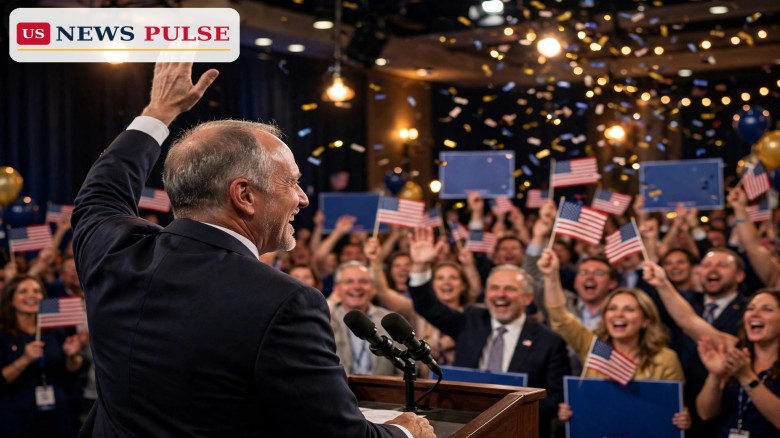
Congress is closing in on a permanent Chinese car ban, after revisions to a bipartisan bill won over the auto industry and the senators holding it up. Politico reported on Thursday, November 26, 2026, that the changes to the Connected Vehicle Security Act (S. 4429) cleared the way for a Senate voice vote in December and fast-track House passage. If it becomes law, the ban would write into statute a blockade that today rests on tariffs and an executive-branch rule.
Key Points
- Politico reported on Thursday, November 26, 2026, that revisions to the bipartisan Connected Vehicle Security Act (S. 4429) won over key parts of the auto industry, clearing the way for the bill to move in December.
- The bill, sponsored by Sen. Bernie Moreno (R-Ohio) and Sen. Elissa Slotkin (D-Mich.), would ban US sales of cars made with components from adversaries including China and Russia.
- The revised text eases the 15%-ownership trigger so Volvo, about 80% owned by China's Geely, and Mercedes-Benz, about 20% owned by BAIC and Li, are not blocked, with more flexibility for passive shareholders.
- The changes won over Sen. Rand Paul, who had held the bill up since September 30 over Mercedes, and Sen. Katie Britt, whose state hosts a Mercedes plant.
- Batteries are excluded from the covered components, covering only battery management systems, so Ford's technology-licensing deal with Chinese battery maker CATL is unaffected, and negotiators agreed a sunset clause on the import ban.
What Happened
The breakthrough came in the bill's fine print. The original version would have barred cars from any manufacturer more than 15% owned by a company from an adversary country, a threshold that swept in two European carmakers with large Chinese shareholders. Volvo is about 80% owned by Geely, and Mercedes-Benz is about 20% owned by the Chinese state-owned carmaker BAIC and the billionaire Li Shufu.
The revised text eases that trigger and gives more flexibility to passive shareholders without voting power, letting Volvo and Mercedes keep selling in the United States while the ban falls on Chinese-made vehicles. It also won over Sen. Rand Paul, who had blocked the bill since September 30 over Mercedes, and Sen. Katie Britt, whose state hosts a major Mercedes plant. Moreno and Slotkin now aim for a voice vote in December, with bipartisan leaders signalling support.
Background and Context
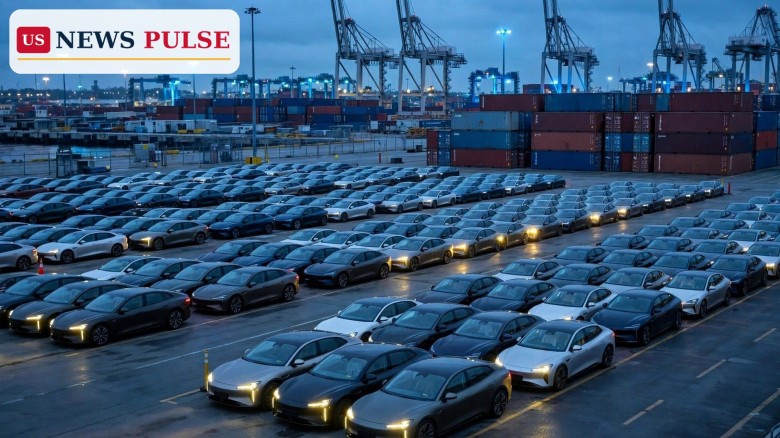
Chinese cars are already effectively shut out of the American market. The United States imposes 100% tariffs on Chinese-made vehicles, and a Commerce Department rule from January 2025 bars connected vehicles using Chinese or Russian software and hardware. Almost no Chinese car is sold in America today. But tariffs can be lowered by a future administration and a rule can be rewritten, so supporters want the blockade written into law.
The bill has been building support for months. It carries 61 sponsors in the Senate and 150 in the House, and it passed the Senate Commerce Committee in July 2026. Its sponsors frame it as a national-security measure: modern cars are connected devices that collect location, audio and video and talk constantly to their makers. Both parties argue such vehicles could gather sensitive data or be disrupted remotely.
Chinese Car Ban: How the Revised Bill Won Over Automakers
The ownership trigger was the heart of the fight. The original 15% threshold was meant to catch Chinese companies hiding behind foreign brands, but it caught Volvo and Mercedes instead. Geely owns about 80% of Volvo, and BAIC and Li together own about 20% of Mercedes-Benz. Neither is Chinese-controlled as the authors intended, but both would have been barred under the original text.
The revision draws a finer line. Passive shareholders without voting power are treated differently from owners who control a company, and the trigger is eased so Volvo and Mercedes fall outside it. Batteries are also excluded, with only battery management systems covered, a carve-out that matters to Ford, whose licensing deal with the Chinese battery maker CATL would otherwise have been caught. Negotiators also agreed a sunset clause on the import ban.
Reactions and Quotes
The deal's supporters are now pushing for speed. Moreno and Slotkin want the Senate to pass the bill by voice vote in December, and then to move it quickly through the House. Leadership from both parties has signalled support.
The auto industry's reaction has shifted from opposition to acceptance. The revised ownership rules protect the European carmakers with Chinese shareholders, and the battery carve-out protects supply chains American manufacturers depend on. Paul's hold is gone, and Britt's concerns about the Mercedes plant in her state have been addressed.
Why It Matters
A permanent ban would change the structure of the American car market for years. Chinese carmakers build some of the cheapest electric vehicles in the world, and their exclusion keeps American buyers paying more for electric cars than drivers in Europe or Asia. Supporters say that is a price worth paying for security. Critics say it will slow the shift to electric vehicles and keep affordable models out of reach.
The bill is also the latest step in a wider decoupling of the American and Chinese economies. Washington has already moved to restrict Chinese technology, as it did when it unveiled new Section 301 tariffs on China, the European Union and 14 other economies, and it has pressed American companies over their dealings with Beijing, as Treasury Secretary Scott Bessent did when he demanded answers from Nvidia over its chip sales to China. The administration is also bringing advanced manufacturing home, with President Trump set to headline the groundbreaking of TSMC's new chip plant in Arizona on December 4.
What Happens Next
The next test is the December timetable. Moreno and Slotkin want a Senate voice vote next month, followed by fast-track action in the House. A voice vote would show the bill has the broad support its sponsors claim, with House passage to follow before the end of the year.
If the bill stalls, the status quo holds. Chinese cars would remain effectively blocked by the 100% tariffs and the January 2025 Commerce Department rule, but the blockade would stay reversible, open to change by a future administration. Only a law can settle the question for good, the sponsors argue.
Frequently Asked Questions
What is the Connected Vehicle Security Act?
A bipartisan bill, S. 4429, banning US sales of cars made with components from adversaries including China and Russia.
Why did the bill stall before?
Its original 15%-ownership trigger would have blocked Volvo, about 80% owned by China's Geely, and Mercedes-Benz, about 20% owned by BAIC and Li. Sen. Rand Paul held it up from September 30.
What changed in the revised bill?
The ownership trigger was eased, passive shareholders without voting power got more flexibility, batteries were excluded, and a sunset clause was added to the import ban.
Are Chinese cars sold in the US now?
Effectively no. Chinese vehicles face 100% tariffs and a January 2025 Commerce Department rule barring connected vehicles with Chinese or Russian software and hardware.
When could the bill pass?
The sponsors aim for a Senate voice vote in December 2026 and fast-track passage through the House, with leaders from both parties signalling support.

The US News Pulse newsroom covers breaking news across the United States and the world, working from wire services, official statements and on-the-record sources. Every story is reviewed against our editorial standards before publication. Corrections and tips: info@usnewspulse.com
About our newsroomLeave a Comment