


 | Today's Date:



Federal Gun Rights Restoration Opens After 30 Years: DOJ Takes 5,000 Applications
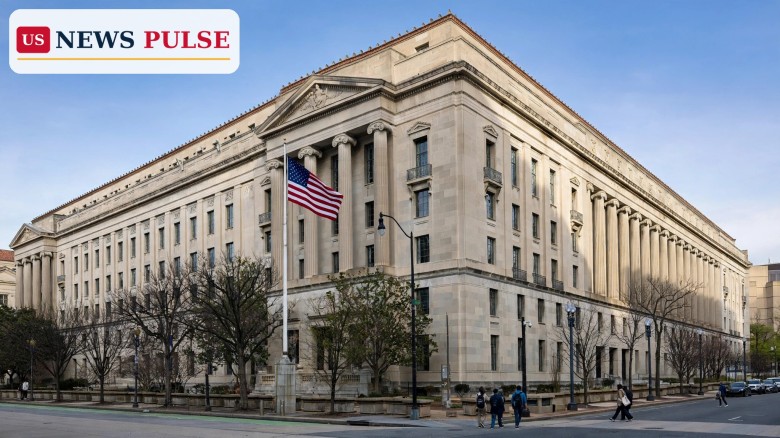
For the first time in more than 30 years, Americans barred from owning a firearm under federal law have a working route to get that right back. The Justice Department opened its new Federal Firearm Rights Restoration programme to the general public on Wednesday, November 4, 2026, and will accept the first 5,000 applications on a first-come, first-served basis, reviving a process frozen since 1992.
Key Points
- Applications opened November 4, 2026, with the first 5,000 taken first-come, first-served.
- It is the first functioning federal gun rights restoration route since 1992, when Congress blocked ATF spending on individual applications.
- Cases are decided by the Office of the Pardon Attorney under Edward Martin, not the ATF.
- Relief is discretionary, with five-year, ten-year and permanent presumptions against restoration for serious offences.
- A further 500 applicants will be accepted from January 4, 2027, when a $30 fee begins; federal relief does not lift state or tribal bans.
What Happened
The Federal Firearm Rights Restoration programme, created under 18 U.S.C. § 925(c), opened to the general public on November 4, 2026. Applicants apply at justice.gov/ffrr and have 30 days to complete an application once started.
A final rule published August 20, 2026 (91 Fed. Reg. 54054) took effect September 21, with invited applicants able to apply from September 25. The department announced it on August 17 as a path to restoration for people who no longer present a danger to public safety. From January 4, 2027, a further 500 public applicants will be accepted, and a $30 fee will begin, waivable for hardship.
Background: Three Decades Without a Working Route
Federal law has authorised individual firearm-rights restoration for decades. Under 18 U.S.C. § 925(c), the government may grant relief when the person's record and reputation show they are unlikely to endanger public safety and that relief would not be contrary to the public interest. The authority never left the statute books; the money to use it did. Beginning in 1992, Congress barred the Bureau of Alcohol, Tobacco and Firearms from spending appropriated funds on individual applications, and renewed the restriction in later spending measures. Nor could barred people ask a federal judge instead: in United States v. Bean (2002), the Supreme Court held that the ATF's inability to process an application was not a denial a court could review. The new programme moves adjudication out of the ATF entirely, to the Justice Department's Office of the Pardon Attorney under Pardon Attorney Edward Martin.
Federal Gun Rights Restoration: Who Can Apply and Who Faces a Presumption Against Relief
Anyone barred from possessing a firearm under 18 U.S.C. § 922(g) may apply. That covers far more than felony convictions: certain domestic-violence misdemeanours and restraining orders, unlawful drug use, particular mental-health adjudications, dishonourable discharges, certain immigration statuses, fugitive status and renunciation of citizenship can all trigger a ban. For felonies, federal law generally looks at the maximum punishment authorised, so nonviolent offences such as fraud and theft can trigger the same prohibition as a violent felony.
Being allowed to apply is not the same as being likely to receive relief. The department has built a tiered system of presumptive disqualifications: it will ordinarily deny an application unless the person shows extraordinary circumstances strong enough to overcome the presumption. The five-year category covers most other felonies, plus certain misdemeanour assault, battery and stalking offences. The ten-year category includes recent drug-trafficking convictions. The permanent category covers violent offences such as robbery, burglary, violent assault, kidnapping, homicide, sexual assault, domestic violence, carjacking and arson. A person convicted of a nonviolent felony 20 years ago who completed the sentence and stayed out of trouble may be in a much stronger position than someone whose conviction was recent or violent.
Reactions and Quotes
The Justice Department announced the programme on August 17, 2026, as a path to restoration for people who no longer present a danger. The statutory test is set out in 18 U.S.C. § 925(c): relief may be granted when the government is satisfied that the applicant is “unlikely to act in a manner dangerous to public safety” and that granting relief would not be “contrary to the public interest.”
Legal analysts have stressed that this is an individualised review, not a general amnesty. Second Amendment advocates have long argued that the 1992 freeze left a lawful right without a remedy; this is the first functioning federal route since then. Gun-control advocates will watch closely how the department uses its discretion, particularly in domestic-violence and drug-trafficking cases.
Why It Matters
The programme matters because the federal firearm prohibition reaches far beyond the people usually pictured in gun-rights debates. A felony conviction for a nonviolent financial crime, a decades-old drug offence or a misdemeanour domestic-violence conviction can all trigger a lifetime federal ban, and until now there has been no functioning federal route back. State relief does not automatically lift a federal ban, so many people have lived under one long after completing their sentences.
The new system also draws a deliberate line between old, nonviolent conduct and serious violence. By placing most felonies in a five-year category while keeping a permanent presumption for violent offences, the department signals that restoration is aimed at people whose past conduct no longer reflects the risk they present today. For more on how the department has been reorganised this year, see our report on the appointment of Craig Trainor to lead the Justice Department's Civil Rights Division.
What Happens Next
The first wave of 5,000 applications is now open, and the department will work through them in the order received. No timeline has been published for decisions, and applications must be completed within 30 days of starting, so applicants should have their records ready first. From January 4, 2027, a further 500 applicants will be accepted, and the $30 fee will apply, with waivers for hardship.
How quickly it processes the first wave will test whether the programme can clear a backlog built up over three decades. The Justice Department has also been issuing broader directives this year, including its order that federal agencies operate solely in English, and the Supreme Court is already set to weigh in on major administration policies, including the fate of the asylum ban at the US-Mexico border.
Frequently Asked Questions
Who can apply for federal gun rights restoration?
Anyone currently prohibited under 18 U.S.C. § 922(g), including people with felony convictions, certain misdemeanour domestic-violence convictions, some people subject to restraining orders, and people barred for drug use, mental-health adjudications, dishonourable discharge or immigration status.
Is restoration automatic once I apply?
No. Relief is discretionary. The Attorney General must be satisfied the applicant is unlikely to act in a manner dangerous to public safety and that restoration would not be contrary to the public interest.
How much does it cost to apply?
The first 5,000 applications are free. From January 4, 2027, a $30 fee applies, waivable for hardship, and a further 500 applicants will be accepted.
Does federal restoration lift state gun bans?
No. Federal relief does not lift independent state or tribal firearms bans.
Where do I apply?
Applications are made online at justice.gov/ffrr and must be completed within 30 days of starting.
Leave a Comment