

 | Today's Date:





The Intercept Sues Pentagon Over Alleged Journalist Blacklist - US News Pulse
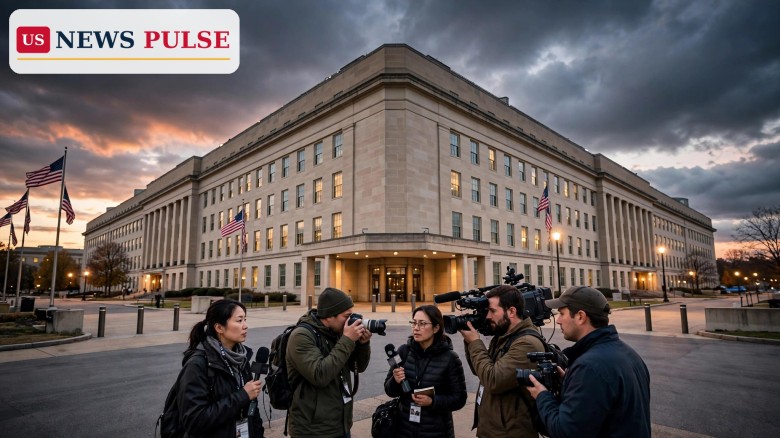
The Intercept and the Freedom of the Press Foundation sued the Pentagon on Monday, November 16, 2026, accusing it of unlawfully withholding records about a purported list of journalists marked as "people to disregard". Filed in federal court in Washington, D.C., the case turns a July phone call between a military spokesman and a war reporter into a court test of how the Pentagon treats the press in wartime.
Key Points
- The Freedom of the Press Foundation and The Intercept sued the Department of Defense on Monday, November 16, 2026, in Washington, D.C., alleging Freedom of Information Act violations.
- The suit centres on a July 21 call in which Central Command aide Richard Allee told Intercept reporter Nick Turse he would be "put on a list of people to disregard" after Turse asked about Iran's attacks on US bases.
- Turse and the foundation filed separate records requests in August seeking the list, internal messages about it and written guidance for press staff — and Central Command has not replied.
- Central Command denies keeping a blacklist, called Turse's account "a complete misrepresentation" and accused him of repeatedly harassing its staff.
- The suit also alleges Defence Secretary Pete Hegseth's office ordered staff not to engage with Turse.
What Happened
The lawsuit was filed on Monday, November 16, 2026, in the US District Court in Washington, D.C. The plaintiffs are The Intercept, which employs Turse, and the Freedom of the Press Foundation, a press-freedom non-profit. Their complaint accuses the Department of Defense of violating the Freedom of Information Act by failing to release records or issue timely decisions about the purported list.
The dispute began with a phone call on July 21, 2026. According to the suit, Richard Allee, an executive assistant in Central Command's public affairs office, told Turse he would be "put on a list of people to disregard". Turse had been pursuing questions about Iran's attacks on US bases in the Middle East. After the call, Turse and the foundation filed separate records requests in August seeking the list, internal communications about adding reporters to it and written guidance for press staff. Nearly three months later, Central Command has not responded to either request, the suit says.
Read our report on the Port Shuaiba whistleblower who says the Pentagon ignored warnings before six soldiers died.
Background and Context
The lawsuit lands amid deep tension between the Pentagon and the press. Defence Secretary Pete Hegseth has restricted reporters' access to the building, tightened rules on what journalists can publish from unclassified briefings, and clashed publicly with news organisations over coverage of the war with Iran.
Central Command, known as CENTCOM, oversees US military operations across the Middle East, including the war against Iran. Its public affairs office is the main channel for reporters seeking comment, casualty figures and operational detail; being cut off from it can leave a reporter unable to do basic war reporting. The Freedom of Information Act gives the public a legal right to government records, with narrow exemptions for national security, privacy and law enforcement. Agencies should decide within 20 working days, and a requester can sue when one does not respond. The case is a records dispute, not a direct First Amendment challenge: the plaintiffs ask for documents, not a ruling on whether a press blacklist would violate free speech.
Pentagon Journalist Blacklist: What the Lawsuit Seeks
The complaint asks the court for two things: an order forcing the Defence Department to release the records sought in August, and a declaration that the Pentagon unlawfully withheld them. The records go beyond the list itself. The plaintiffs want internal communications about how reporters are added to it, written guidance for press staff on handling listed journalists, and records about Central Command's handling of the August requests. Together they would show whether the list exists and how it works.
The suit also alleges that the office of Defence Secretary Pete Hegseth ordered staff not to engage with Turse — suggesting the instruction came from the top of the department, not a single press officer. The Intercept filed a separate lawsuit against the Pentagon on Friday, November 13, 2026, in federal court in New York, over casualty information from the Iran war, challenging a military tracker it says omitted one soldier's death for six months.
Reactions and Quotes
The command has denied keeping any blacklist. It called Turse's account of the July call "a complete misrepresentation" and accused the reporter of repeatedly harassing its staff, without explaining what it says actually happened. The Pentagon has not commented on the lawsuit itself; the Defence Department rarely discusses pending litigation. The Freedom of the Press Foundation argues the public has a right to know whether the military keeps a list of reporters to ignore, saying a secret list would let the Pentagon quietly punish journalists whose questions it dislikes. Press freedom advocates warn the Pentagon's new media rules are chilling war coverage, pointing to the restrictions on reporters inside the building and the limits on publishing unclassified information.
Read our report on incoming Representative Fred Wellman accusing Hegseth of war crimes over the boat strikes.
Why It Matters
The case tests whether the military can keep a secret list of journalists it refuses to deal with. Reporters on such a list would be cut off from the main source of information about an active war, while the public would have no way of knowing who had been frozen out or why. It also matters because casualty figures, strike results and the state of US bases in the Gulf come largely from the military itself; when reporters cannot get answers, the public gets less independent checking of those claims.
What Happens Next
The case will now move through the federal court in Washington, D.C. The Defence Department must answer the complaint, and the judge will decide whether the records should be released and whether the Pentagon acted unlawfully. Freedom of Information Act cases can take months or years. If the department maintains no list exists, it must explain the July phone call and the months of silence on the August requests. If records emerge showing a list does exist, the case becomes a far bigger story.
Frequently Asked Questions
Who sued the Pentagon? The Intercept and the Freedom of the Press Foundation, on Monday, November 16, 2026, in federal court in Washington, D.C.
What is the alleged blacklist? A July 21 call in which a Central Command official told Intercept reporter Nick Turse he would be "put on a list of people to disregard" after he asked about Iran's attacks on US bases.
Does the Pentagon admit the list exists? No. Central Command denies it, called Turse's account "a complete misrepresentation" and accused him of harassing its staff.
What records are the plaintiffs seeking? The list, internal messages about adding reporters to it, written guidance for press staff, and records about Central Command's response to the August requests.
Is this a First Amendment case? No. It is a Freedom of Information Act records dispute, asking the court to order the records released.

The US News Pulse newsroom covers breaking news across the United States and the world, working from wire services, official statements and on-the-record sources. Every story is reviewed against our editorial standards before publication. Corrections and tips: info@usnewspulse.com
About our newsroomLeave a Comment