


 | Today's Date:





DOJ Tells Federal Agencies to Operate Solely in English in Sweeping New Directive
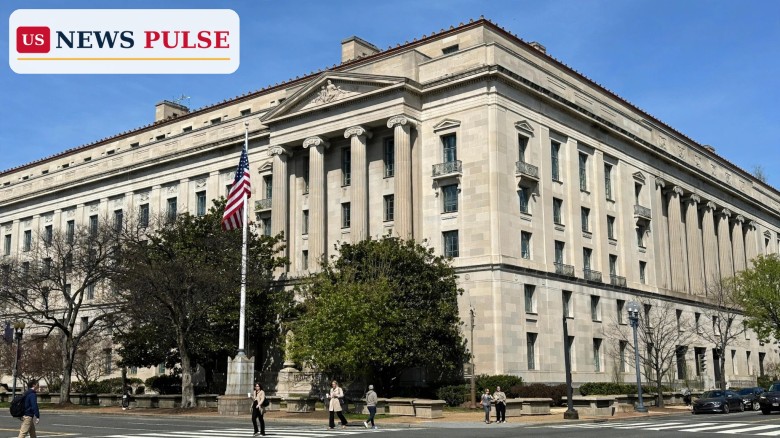
The Justice Department has told federal agencies they "should strive to operate solely in English" in sweeping new guidance issued Thursday, November 12, 2026, that pushes the federal government toward English-only operations and could affect more than 27 million people in the United States who have limited English proficiency. The directive covers nearly everything agencies produce, from letters and regulations to websites, forms, announcements and AI tools.
The guidance, titled "Guidance on Implementing English as the Official Language," puts into practice President Donald Trump's Executive Order 14224, signed March 1, 2025, which designated English as the nation's official language and revoked a 2000 order by President Bill Clinton that required agencies to improve access for people with limited English proficiency. The department published the guidance in the Federal Register on Thursday.
Key Points
- The Justice Department issued guidance on Thursday, November 12, 2026, telling federal agencies they "should strive to operate solely in English."
- The directive implements President Donald Trump's Executive Order 14224, signed March 1, 2025, which designated English as the official language of the United States.
- It covers official correspondence, regulations, announcements, forms, websites, outreach and educational materials, internal communications and AI tools.
- Translations are allowed only where required by law or necessary to the mission, such as national security and health care.
- More than 27 million people in the US have limited English proficiency; comments are open through January 11, 2027.
What Happened
The guidance was sent to agencies in September and made public on Thursday, when it was published in the Federal Register. A Justice Department spokesperson said the memo is final and already in effect, and the department is accepting public comments through January 11, 2027.
English becomes the default for federal operations. Agencies must provide official correspondence, regulations, announcements, applications, websites, educational resources and internal communications in English, and apply the same standard to the AI tools they deploy.
Translations are not banned outright: agencies should keep them where required by law or necessary to the mission, citing national security and health care as examples, and identify and eliminate multilingual assistance that meets neither test.
Background and Context
Trump's March 2025 order made English the official language for the first time in the nation's history and revoked President Bill Clinton's Executive Order 13166 of 2000, which required agencies to improve access for people with limited English proficiency. It did not itself require agencies to scrap existing multilingual services.
The new Justice Department guidance goes further, making English the default rather than one option among others. There is no blanket federal law requiring every agency to provide services in multiple languages, though certain programs carry their own requirements.
Several departments have already moved that way. Housing and Urban Development removed non-English languages from its services in August, while Homeland Security, Education and the Treasury have begun scrubbing foreign-language materials from their websites. The General Services Administration shuttered the Spanish-language version of USA.gov this week, redirecting visitors to the English-language site. The Spanish version of the government portal had been available since 2003.
Operate Solely in English: What the Guidance Requires
The guidance's central instruction is blunt: "Agencies should strive to operate solely in English." That covers the full range of what the government writes and publishes, from letters and regulations to websites, forms and AI tools.
The test for keeping a translation is narrow. An agency should keep multilingual material only if a law requires it or if it is necessary to carry out the agency's mission. The guidance names national security and health-care services as examples of work where translations may still be needed, and tells agencies to identify and eliminate multilingual programs that meet neither standard.
The practical effect will play out agency by agency. Each department must now review its own materials and decide which translations survive. The Justice Department has been at the centre of several of the administration's policy fights this year, and the guidance gives no list of protected languages or programs, leaving those calls to the agencies themselves.
Reactions and Quotes
Civil-rights lawyers and policy analysts warned the shift will shrink access to government services. Michael Mulé, a civil-rights lawyer and former Justice Department civil-rights official, said limiting translations could undermine government operations, including efforts to gather information from the public. "I want the FBI tip line to be accessible to someone that has a tip on a criminal," Mulé said. "I want someone to understand how to file their taxes the right way."
Jacob Hofstetter of the Migration Policy Institute predicted a wider rollback. "I would be surprised if we didn't see more agencies taking down multilingual content or trying to reduce the level of language access they provide," Hofstetter said.
The Justice Department has not publicly answered those concerns beyond the guidance itself.
Why It Matters
More than 27 million people in the United States have limited ability to speak, read or write English, and rely on translated materials to file taxes, claim benefits, understand safety warnings and use health care. Removing those materials does not remove the need, it moves the burden onto the people least able to carry it.
The change also reaches beyond Washington. The Spanish version of USA.gov had served as a front door to the federal government for Spanish speakers since 2003, and its closure this week shows how quickly the shift is already landing.
What Happens Next
The comment period runs through January 11, 2027, with the guidance already in effect. Agencies are reviewing their materials against the new standard, and more departments are expected to announce changes to websites and forms in the coming weeks.
The guidance's two exceptions, required by law or necessary to the mission, will be tested first in health care, emergency services and national security, where the case for keeping translations is strongest. The courts have already pushed back on other Trump administration funding and policy moves this year, and advocates are expected to use the comment period to make their case.
Frequently Asked Questions
What does the new Justice Department guidance say?
It tells federal agencies they "should strive to operate solely in English," covering correspondence, regulations, announcements, forms, websites, outreach, educational materials, internal communications and artificial intelligence tools.
Does the guidance ban all non-English materials?
No. Agencies should keep translations where required by law or necessary to carry out their mission, such as national security and health-care services, and eliminate multilingual assistance that meets neither test.
When did the guidance take effect?
It was sent to agencies in September 2026, published in the Federal Register on Thursday, November 12, 2026, and a Justice Department spokesperson said it is final and already in effect. Public comments are open through January 11, 2027.
How many people could be affected?
More than 27 million people in the US have limited English proficiency, according to the figures cited in reporting on the guidance.
Which agencies have already made changes?
Housing and Urban Development removed non-English languages from its services in August; Homeland Security, Education and Treasury have begun scrubbing foreign-language materials; and the General Services Administration shut down the Spanish version of USA.gov this week.
Leave a Comment