

 | Today's Date:


DOJ Moves to Forfeit $1.1 Billion in Crypto Stolen in North Korea Binance Hack
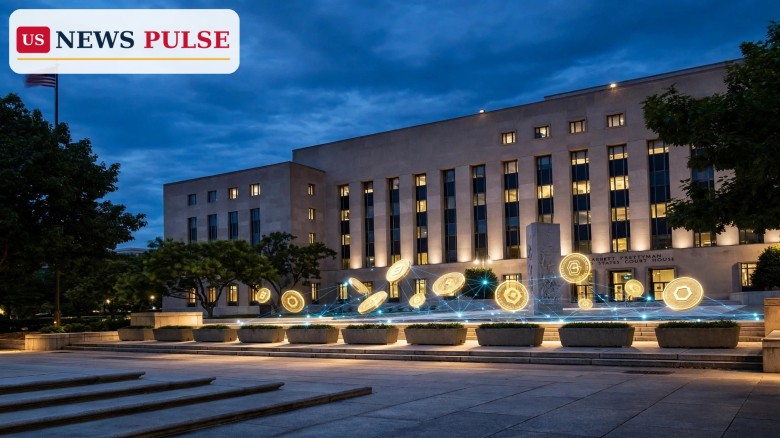
The United States Justice Department moved on Monday to forfeit more than $1.1 billion in cryptocurrency stolen from Binance in the North Korea Binance hack, the largest crypto theft ever recorded. The civil action, filed in Washington, D.C., targets USDC, a dollar-pegged stablecoin issued by Circle. It follows a court order earlier this month allowing the government to seize or restrain more than $1.2 billion tied to the same hack, less than four weeks after the October 29 theft.
Key Points
- The Justice Department filed a civil forfeiture action on Monday, November 23, in Washington, D.C., to take permanent control of more than $1.1 billion in USDC stolen from Binance.
- The FBI blames the October 29 theft of more than $6 billion on TraderTraitor, hackers tied to North Korea's military — the largest crypto heist on record.
- The United States and its partners have frozen, seized or returned more than $2.9 billion, while Binance obtained a $6.5 billion freezing injunction and committed $6.34 billion to cover losses.
- Elliptic says the hackers moved at least $247 million in Bitcoin through mixers, with about $2.22 billion still in wallets linked to the theft.
- The Secret Service froze stolen funds within minutes of the hack; the FBI, Secret Service and IRS Criminal Investigation are continuing to investigate.
What Happened
The Justice Department announced the action on Monday, November 23, 2026, saying it had filed a civil claim in the U.S. District Court for the District of Columbia to forfeit over $1.1 billion of USDC, a Circle stablecoin. The filing says the funds are proceeds of the theft from Binance, part of a wider effort to recover more than $6 billion.
The assets targeted on Monday had already been subject to a government-requested restraining order, announced on November 12, covering more than $1.2 billion linked to the hack. The new filing moves the case from temporary restraint to permanent forfeiture, asking a federal judge to declare the funds the property of the United States so they can be returned to victims. Civil forfeiture does not require a criminal conviction. Circle provided what the department called valuable assistance.
Background: The October 29 Theft
The theft took place on or about October 29, 2026, when hackers the FBI calls TraderTraitor drained more than $6 billion in cryptocurrency from Binance in about 20 minutes — the largest crypto heist ever recorded. The FBI has attributed the attack to North Korean military hackers, and the department says the funds were intended to bankroll the regime in Pyongyang.
North Korea has spent years building one of the world's most active state-backed hacking operations, using stolen cryptocurrency to fund weapons programmes and evade sanctions. U.S. officials say its hackers have stolen billions in digital assets over the past decade, laundering the proceeds through mixers and shell exchanges. The response has been unusually fast: Binance suspended withdrawals, then resumed them in phases as it covered customer losses, and on November 12 the department announced court authorisation to seize or restrain more than $1.2 billion.
North Korea Binance Hack: How the Money Moved
Recovering stolen cryptocurrency is a race against time, because hackers move quickly to wash funds through mixers that obscure their trail. Elliptic reports the hackers have already moved at least $247 million in Bitcoin through mixers. About $2.22 billion still sits in wallets linked to the theft, while about $2.85 billion is frozen or seized.
That is where the speed of the response has mattered: the Secret Service froze stolen funds within minutes of the hack. Stablecoins such as USDC present a particular opportunity for investigators: unlike Bitcoin, USDC is issued by a central company that can freeze tokens at specific addresses under a court order. That made the $1.1 billion targeted on Monday recoverable in a way funds already converted into other cryptocurrencies are not.
Reactions and Quotes
Senior Justice Department officials framed the filing as part of a broader campaign against North Korea's use of cybercrime to fund the regime. "This forfeiture action is the latest example of our efforts to combat the North Korean government's attempts to profit from the injustices it repeatedly inflicts upon innocent victims," said M. Scott Proctor, acting principal deputy assistant attorney general for national security.
Criminal Division chief A. Tysen Duva said "swift coordination between the government and private sector partners helped prevent a substantial portion of those assets from disappearing." Jeanine Ferris Pirro, the U.S. attorney for the District of Columbia, vowed her office would "meet the moment" wherever the proceeds go. Secret Service official Todd Bratz said: "The criminals behind this intrusion believed they could outrun law enforcement, and they have been proven wrong."
Why It Matters
The filing matters for three reasons. First, it shows the government can recover a meaningful share of even the largest crypto theft: roughly half of the stolen $6 billion has been frozen, seized or returned. Second, it tests the legal tools used against state-backed crypto theft: civil forfeiture lets the government lock down assets while investigations continue, and a stablecoin issuer shows how the regulated crypto industry can be enlisted against its criminal users. Third, the money matters to Pyongyang: hacking is a major source of foreign currency for a regime cut off from most legal trade, and U.S. officials say the proceeds fund weapons development.
What Happens Next
The case will now move through the federal court in Washington, where a judge will decide whether the $1.1 billion in USDC is forfeitable as criminal proceeds. Anyone claiming a legitimate interest can contest the action. Investigators are still chasing the rest: about $2.22 billion remains in wallets linked to the theft, and the hackers keep trying to move it through mixers. The FBI, the Secret Service and IRS Criminal Investigation are continuing their investigation. For Binance customers, the immediate picture is stable: the exchange says it has covered affected balances from its own resources. The longer question is whether the industry can prevent a repeat — the exchange has said the attack began with a fake job interview. Related coverage: the Justice Department's earlier $1.2 billion seizure, how the Binance hack began with a fake job interview, and North Korea's denial of the theft.
Frequently Asked Questions
How much cryptocurrency was stolen from Binance?
More than $6 billion was stolen on or about October 29, 2026, the largest crypto heist on record. The Justice Department has now moved to forfeit more than $1.1 billion of that total.
Who does the FBI blame for the Binance hack?
The FBI attributes the theft to TraderTraitor, a group of North Korean military hackers. North Korea has denied involvement.
How much of the stolen crypto has been recovered?
The United States and its partners have helped freeze, seize or return over $2.9 billion since the theft.
What is USDC?
USDC is a stablecoin issued by Circle and pegged to the U.S. dollar. Because it is issued by a central company, tokens at specific addresses can be frozen under a court order.
What happens to the forfeited money?
If the court grants forfeiture, the funds become property of the United States, and the Justice Department says its priority is returning them to victims.

The US News Pulse newsroom covers breaking news across the United States and the world, working from wire services, official statements and on-the-record sources. Every story is reviewed against our editorial standards before publication. Corrections and tips: info@usnewspulse.com
About our newsroomLeave a Comment