


 | Today's Date:



Trump Says US Antisemitism Is 'Like Germany in 1938' and Blames Obama for the Rise
President Donald Trump said antisemitism in the United States has reached levels "like Germany in 1938," comparing it with the year of Kristallnacht, the Nazi pogrom widely seen as the beginning of the Holocaust. Speaking to conservative radio host Hugh Hewitt on Thursday, November 12, 2026, Trump said he was stunned by the scale of anti-Jewish hatred in America today. He blamed the rise on former President Barack Obama, saying it "started, I would say, during Barack Hussein Obama's run." The remarks came just days after the 88th anniversary of Kristallnacht, in November 1938.
Key Points
- Trump told Hugh Hewitt on November 12 that antisemitism in the US is "like Germany in 1938."
- He claimed "57 percent" of attacks target Jews; FBI data puts it at 63 percent last year and 70 percent in 2024.
- Trump said the rise began under Obama, though monitors have tracked rising incidents for over a decade, including through his first term.
- The 2018 Pittsburgh synagogue shooting, which killed 11 Jews, remains the deadliest antisemitic attack in US history.
- Trump cited his pressure on universities, calling Harvard antisemitic and saying colleges are "paying tremendous awards" after funding cuts and settlements.
What Happened
Trump made the remarks in an interview with Hewitt, a longtime conservative radio host whose programme has become a regular stop for the president. Asked about antisemitism in America, Trump said he was amazed by what he is seeing. "I'm amazed to see it. This is like Germany in 1938 or whatever. It's, like, crazy what's going on," he said. 1938 was the year of Kristallnacht, the Night of Broken Glass, when Nazi mobs smashed Jewish shops and burned synagogues.
Trump put a number on the problem, claiming that "57 percent" of attacks are on Jewish people. FBI statistics tell a similar story: 63 percent of religion-based hate crimes last year targeted Jewish people, and 70 percent in 2024. Jews make up roughly 2 percent of the population, so the share of hate crimes aimed at them is far out of proportion to their numbers.
Pressed on when it began, Trump pointed at his predecessor, saying the rise "started, I would say, during Barack Hussein Obama's run." The Anti-Defamation League and other monitors show incidents rising steadily for more than a decade, across administrations of both parties, with sharp increases after the October 7, 2023 Hamas attack and the war in Gaza. Asked what he is doing, Trump pointed to university funding cuts and settlements, calling Harvard antisemitic.
Background: A Decade of Rising Antisemitism
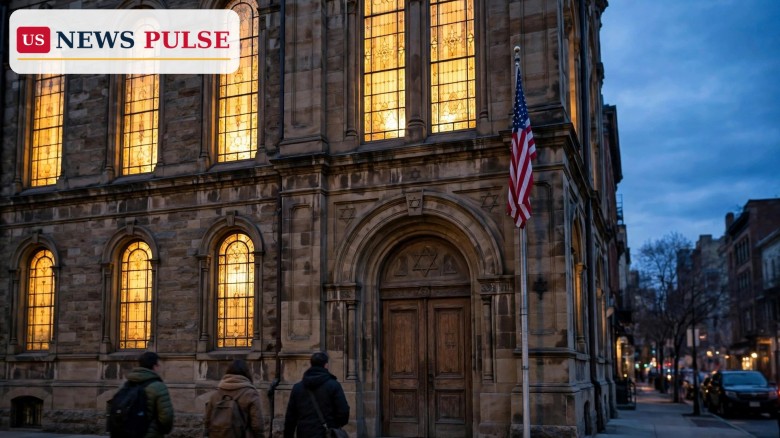
Antisemitic incidents in the United States have climbed for years. The Anti-Defamation League, which has tracked incidents since the late 1970s, has recorded repeated annual increases over the past decade. The pattern continued through Trump's first term, which saw the deadliest antisemitic attack in American history: in October 2018, a gunman killed 11 worshippers at the Tree of Life synagogue in Pittsburgh during Shabbat services.
Incidents spiked again after October 7, 2023, when Hamas attacked southern Israel and Israel launched its war in Gaza. The timing of Trump's remarks added weight: Kristallnacht's 88th anniversary fell on November 9 and 10, days before the interview. On those nights in 1938, Nazi mobs destroyed more than 7,000 Jewish businesses and hundreds of synagogues, killed at least 91 Jews and sent about 30,000 Jewish men to concentration camps.
Trump, Antisemitism and the Germany 1938 Comparison
The "Germany in 1938" comparison is one of the most loaded analogies in American politics, and Trump used it without qualification. By invoking 1938, he placed present-day America at the edge of the Holocaust, a framing welcomed by supporters and challenged by critics who say it overstates the present danger. What is not in dispute is the trend: antisemitic incidents are at or near record levels, and Jewish Americans report feeling less safe than a decade ago.
The comparison also served a political purpose. By dating the rise to Obama's presidency, Trump tied the problem to his Democratic predecessors and the progressive left, where he argues anti-Israel activism has fuelled antisemitism. Critics note the rise began earlier and continued through his own first term, including Pittsburgh, and that US antisemitism has come from several directions, including the far right.
Reactions and Quotes
Trump's own words were the sharpest part of the exchange. "I'm amazed to see it. This is like Germany in 1938 or whatever. It's, like, crazy what's going on," he told Hewitt, before blaming Obama: "started, I would say, during Barack Hussein Obama's run." On universities, he said colleges are "paying tremendous awards" after funding cuts and settlements, and called Harvard antisemitic.
The facts behind the interview are in federal crime data. The FBI's statistics show Jewish people, about 2 percent of the population, were the targets of 63 percent of religion-based hate crimes last year and 70 percent in 2024, above the "57 percent" Trump cited. The Anti-Defamation League's tracking shows incidents rising for more than a decade across four presidencies.
Why It Matters
A president comparing conditions for Jews in America to Germany on the eve of the Holocaust is not routine, and it matters for three reasons. First, it signals how far the administration will go in using federal power, including funding cuts, against institutions it blames. Second, it frames the problem in partisan terms, blaming a former Democratic president. Third, it comes when antisemitic incidents are genuinely at historically high levels, so the underlying concern is shared well beyond Trump's supporters, even if the comparison and the blame are contested.
What Happens Next
Watch for reactions from Jewish organisations, from Harvard and other universities in the administration's campaign, and from Obama, who has not responded. University funding decisions and settlements will continue, and the 1938 comparison will be tested against the next FBI hate crime figures and the Anti-Defamation League's annual audit.
Frequently Asked Questions
What exactly did Trump say about antisemitism? In a Hugh Hewitt interview on November 12, 2026, Trump said US antisemitism is "like Germany in 1938," claimed "57 percent" of attacks target Jews, and blamed the rise on Barack Obama.
What was Kristallnacht? Kristallnacht, the Night of Broken Glass, was a Nazi pogrom on November 9 and 10, 1938, when mobs destroyed thousands of Jewish businesses and synagogues, killed at least 91 Jews and sent about 30,000 men to concentration camps.
What do the FBI statistics actually show? FBI data shows 63 percent of religion-based hate crimes last year targeted Jewish people, and 70 percent in 2024, although Jews make up roughly 2 percent of the population.
Did antisemitism really start rising under Obama? Monitors have tracked rising incidents for more than a decade, across several presidencies, including Trump's first term, when the 2018 Pittsburgh shooting killed 11 Jews.
What has Trump done about antisemitism on campuses? His administration has pressured universities over campus antisemitism, freezing federal funding for several schools and reaching settlements. Trump calls Harvard antisemitic and says colleges are "paying tremendous awards."
Related coverage: Bondi Beach massacre death toll rises to 16; Harmeet Dhillon resigns as Justice Department civil rights chief; Trump would 'certainly consider' military force in Cuba.
Leave a Comment