


 | Today's Date:





Congress Returns for Lame-Duck Session After GOP Midterm Rout as Funding Deadline Nears
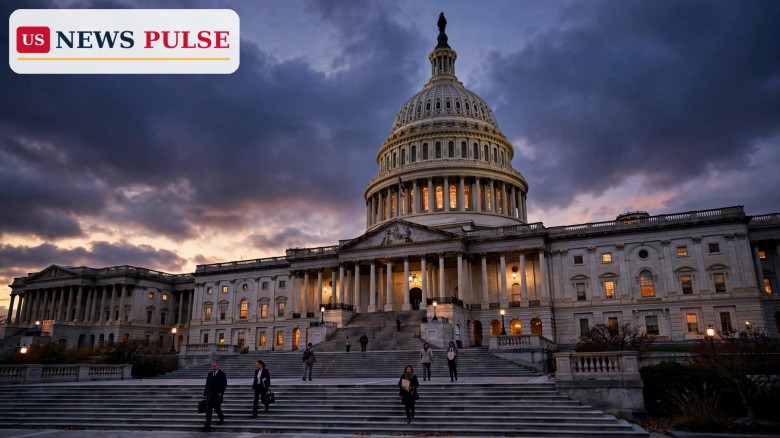
WASHINGTON — Congress returns to Washington on Monday for the final session of the 119th Congress, a six-week lame duck Congress stretch that begins six days after voters handed Democrats control of both chambers and ends with a December 11 deadline that could shut down the government.
Republicans still hold the gavel until the new Congress is sworn in on January 3, 2027, with Mike Johnson remaining Speaker and setting the House agenda. But the election changed what the next six weeks can achieve: the party that lost on November 3 must decide what to finish, what to leave for the Democrats, and whether to fund the government past December 11.
Key Points
- Congress returns Monday, November 9, 2026, for the lame-duck session of the 119th Congress, six days after Democrats won both chambers on November 3.
- Republicans keep control until January 3, 2027, when the new Congress is sworn in; Mike Johnson remains Speaker and sets the House agenda.
- Government funding under the current stopgap runs out on December 11, 2026; without full-year bills or another stopgap, a shutdown begins.
- The main dispute is defence spending: the Trump administration wants a record $1.5 trillion, which Senate Democrats reject.
- A debt-limit increase could also come in the lame duck, with the limit possibly reached as soon as February 2027.
What Happened
Lawmakers returned to Capitol Hill on Monday, November 9, six days after Election Day, for a session expected to run until Christmas with a break for Thanksgiving. Newly elected lawmakers have also arrived for orientation. Stephen Miller also starts Monday as President Donald Trump’s new chief of staff.
A lame-duck session is the stretch between an election and the day the new Congress is sworn in, when the outgoing members — including those who lost their seats or chose to retire — are still in charge. Democrats won both chambers on Tuesday, November 3, and NBC News projects they will control both starting in January. Until then, the current Republican majorities keep control, and Johnson and Senate Majority Leader John Thune decide what reaches the floor.
Background: A Midterm Rout and a Short Clock
The scale of the Democratic victory is what makes this lame duck so unusual. Outgoing majorities normally use the weeks after an election to clear a backlog of bills. This time, the majority knows it is about to lose both chambers, and every decision it makes now will either bind the incoming Democratic Congress or be undone within weeks.
The clock is also unusually crowded. The funding stopgap expires on December 11, along with surface transportation authorities and the National Flood Insurance Program. The farm bill expired on September 30, and if Congress does not act by December 31, farm programmes revert to permanent law from the 1930s and 1940s, although crop insurance and food assistance continue. Health programmes also end on December 31, among them funding for the Community Health Center Fund and a temporary 2.5 percent rise in Medicare payments to doctors, while Temporary Assistance for Needy Families funding also runs out that day.
The Lame Duck Congress and the December 11 Funding Deadline
The funding deadline is the one decision Congress cannot avoid. Unless lawmakers pass full-year spending bills or another stopgap by December 11, a shutdown begins. The main dispute is defence: the Trump administration wants a record $1.5 trillion, which Senate Democrats reject. Whether Republican leaders will settle full-year spending now or pass a short stopgap and leave the fight to the Democrats remains undecided.
The annual defence policy bill is also unfinished. It stalled in the Senate in July, and Congress has passed one every year for more than six decades. Some Republicans want one last reconciliation bill — a budget process that cannot be blocked by a Senate filibuster — for remaining priorities, although it is far from clear the party has the votes after Tuesday’s losses.
Reactions and Quotes
The first test may come on energy. Senators Martin Heinrich and Sheldon Whitehouse, authors of the Bipartisan American Affordability and Jobs Act, said on Wednesday, November 4, that they will push their permitting bill in the lame duck rather than wait for a Democratic Congress. Heinrich said he is “not going to wait.” TD Cowen cut its estimate of the bill’s chances from about 40 percent to about 25 percent, and Senate Democrats will decide next week whether to advance it now or wait until next year.
On the debt limit, Thune had said an increase could come in the lame duck. Raising it now would deny the incoming Democratic House leverage over the next deadline.
Why It Matters
Whoever writes the spending bills in December shapes the first months of the new Congress. If Republicans settle full-year funding now, they lock in their priorities for the rest of the fiscal year. If they pass a short stopgap instead, they hand the pen to the Democrats — but they also risk a shutdown on December 11 if the two sides cannot agree. The debt-limit choice works the same way: raising it now removes a weapon from the incoming majority’s hands, while leaving it guarantees an early confrontation in 2027.
The expiring programmes raise the stakes further. A farm bill left to lapse would throw farm policy back to laws written in the 1930s and 1940s, and the health and welfare funding that ends on December 31 touches community health centres, doctors’ pay and low-income families.
What Happens Next
Senate Democrats will decide next week whether to advance the permitting bill now or wait until next year. The funding fight will dominate the session as December 11 approaches, with the choice between full-year bills and a short stopgap likely settled only in the final days. The session is expected to run until Christmas, and the new Congress will be sworn in on January 3, 2027. Until then, the lame-duck Congress must govern as if it still had a mandate.
Frequently Asked Questions
What is a lame-duck session?
It is the stretch between an election and the day the new Congress is sworn in, when the outgoing members — including those who lost or retired — are still in charge. This one runs until the new Congress convenes on January 3, 2027.
When does the new Congress take over?
The new Congress is sworn in on January 3, 2027. Until then, Republicans keep control of both chambers, with Mike Johnson remaining Speaker and setting the House agenda.
What happens if Congress misses the December 11 deadline?
Government funding under the current stopgap runs out on December 11, 2026. Unless Congress passes full-year spending bills or another stopgap by then, a shutdown begins.
What else expires during the lame duck?
Surface transportation authorities and the National Flood Insurance Program expire on December 11. The farm bill must be dealt with by December 31, when health programmes and Temporary Assistance for Needy Families funding also run out.
Related reading: Trump Faces Congress Over $1.5 Trillion Pentagon Plan • Democrats Push Energy Permitting Bill in Lame-Duck Session • Trump Pushes Permanent Daylight Saving as Lame-Duck Republicans’ Last Win
Leave a Comment