

 | Today's Date:




North Korea Halts Missile Shipments to Russia After Rift, Ukraine Says
North Korea has temporarily halted shipments of KN-23 ballistic missiles and artillery ammunition to Russia after a diplomatic rift between the wartime allies, Ukraine's military intelligence agency said on Thursday, November 26, 2026. It is the first public sign of strain in a partnership that has supplied Moscow's war in Ukraine for three years. Ukraine's GUR agency said the decision was made personally by leader Kim Jong Un.
Key Points
- North Korea has temporarily halted shipments of KN-23 ballistic missiles and artillery ammunition to Russia, Ukraine's military intelligence agency said.
- Foreign Minister Choe Son Hui announced the suspension last month after Moscow said it would help ease tensions between Seoul and Pyongyang.
- The pause also bars Russian military aircraft from North Korean airspace and freezes a request to expand the North Korean contingent from 8,500 to 50,000 troops.
- Ukraine says North Korean forces have suffered 7,058 casualties in the war, including 2,251 killed and 4,807 wounded.
- The halt is partial, not a full break: North Korean troops remain in Russia, and diplomatic contacts between Moscow and Pyongyang have continued.
What Happened
According to the GUR report, the row began last month, when Russian Deputy Foreign Minister Andrey Rudenko said Moscow would help de-escalate tensions between Seoul and Pyongyang. Foreign Minister Choe Son Hui responded by demanding that Russia clarify its policy toward South Korea, and she announced a temporary suspension of military cooperation. The GUR said the decision was taken personally by Kim Jong Un.
The restrictions go beyond missile deliveries. Pyongyang has also banned Russian military transport aircraft from its airspace and paused Moscow's request to expand the North Korean contingent in Russia from about 8,500 troops to 50,000. The pause covers artillery shells as well as KN-23 ballistic missiles, the short-range weapon Russia has fired repeatedly at Ukrainian cities.
Reuters said it could not confirm any public statement by Rudenko or Choe on the matter. The GUR did not say where the attributed statements were made, and Russia's Defence Ministry and North Korea's embassies did not respond to requests for comment.
Background: Three Years of North Korean Arms for Russia
North Korea has supplied Russia with weapons since 2023, according to a Reuters investigation, and with troops since 2024, including soldiers who fought Ukrainian forces after Kyiv's incursion into Russia's Kursk region. The support is a rare source of hard currency for sanctions-hit North Korea, and it has given Moscow a second source of shells and missiles.
The KN-23, known in North Korea as the Hwasong-11A, is a solid-fuel short-range ballistic missile with a range of about 690 kilometres. Russia first fired it at Ukraine in early 2024. On November 7, President Volodymyr Zelenskyy said Russia had used KN-23 missiles to hit a key Ukrainian energy facility in Kyiv, in a barrage in which Ukraine intercepted only four of 36 ballistic missiles.
Ten days later, Zelenskyy said Russia was receiving dozens of North Korean ballistic missiles every month. The human cost has been heavy: the GUR report puts total North Korean casualties at 7,058 personnel, with 2,251 killed and 4,807 wounded.
North Korea Halts Missile Shipments: What the Rift Means
The dispute appears to turn on Russia's approach to South Korea. Rudenko, who oversees Asian relations in Moscow's foreign ministry, said last month that Russia had received signals from Seoul that it wanted to normalise ties with Russia once the war in Ukraine was over, and that the two sides were discussing a resumption of direct flights. For Pyongyang, any Russian move to ease tensions with Seoul touches the core of its security outlook.
The signals from Moscow have been mixed. Only last week, President Vladimir Putin received Jo Yong Won, one of Kim Jong Un's closest aides, at the Kremlin, with both men reportedly praising bilateral cooperation. Diplomatic contacts have continued even as the military pause took hold, which suggests a disagreement to be managed rather than a rupture.
Units of the North Korean army's 11th Corps continue to serve in Russia's Kursk region, and since mid-summer a combined North Korean missile unit has been deployed in the Voronezh region, which Russia uses to strike at Ukraine. The GUR stressed the restrictions do not amount to a complete halt in military cooperation.
Reactions
Neither Moscow nor Pyongyang has publicly confirmed the suspension. Russia's Defence Ministry and North Korea's embassies in Russia, London and New York did not respond to Reuters' requests for comment, and South Korea's Unification Ministry also did not respond. The GUR did not answer questions about where the statements attributed to Choe and Rudenko were made.
The silence leaves the scale of the pause uncertain.
Why It Matters
The halt matters first for Ukraine's air defences. KN-23 missiles are hard to intercept: in the November 7 attack, only about one in nine ballistic missiles fired at Kyiv was shot down. Fewer North Korean missiles would ease, if only slightly, the pressure on Ukraine's Patriot batteries.
It matters second as a signal about the alliance. Russia and North Korea have presented their partnership as a durable answer to Western pressure, signing a mutual defence treaty and deepening military ties through 2025 and 2026. A suspension ordered personally by Kim, even a temporary one, shows the relationship has limits.
It matters third for the wider region. North Korea's missile programme has advanced through battlefield use, and a pause in shipments does not pause the programme.
What Happens Next
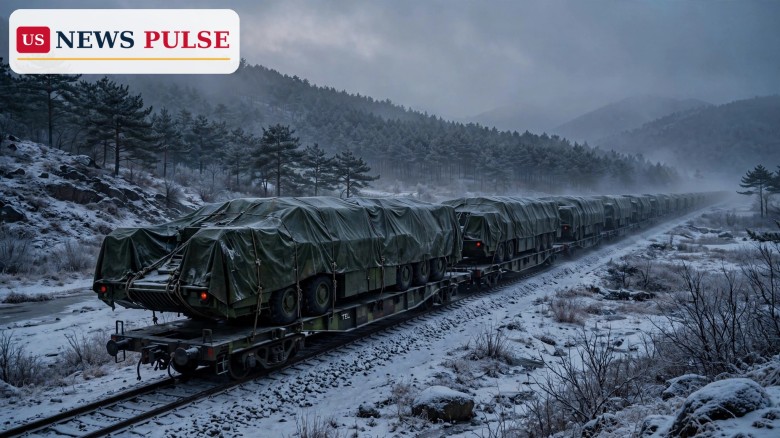
The immediate question is whether Moscow clarifies its policy toward South Korea as Choe demanded, and whether that is enough for Pyongyang to resume shipments. Ukrainian and Western intelligence services will watch Russian launch patterns and North Korean rail movements for signs of a resumption or a longer freeze.
The winter campaign will test the pause. Russia has intensified strikes on Ukraine's energy system, and any sustained drop in KN-23 use would show up quickly in Ukrainian interception data.
Frequently Asked Questions
What did North Korea halt?
Deliveries of KN-23 ballistic missiles and artillery ammunition to Russia, plus Russian military flights over North Korean airspace. The suspension is described as temporary.
Why did North Korea halt the shipments?
According to Ukraine's military intelligence, Foreign Minister Choe Son Hui acted after Russia's deputy foreign minister said Moscow would help ease tensions between Seoul and Pyongyang. She demanded Russia clarify its policy toward South Korea.
Is this a complete break between North Korea and Russia?
No. Ukraine's intelligence agency says the restrictions do not amount to a complete halt in military cooperation. North Korean troops remain in Russia, and diplomatic contacts have continued.
How many North Korean troops are in Russia?
About 8,500, according to Ukraine's military intelligence. Moscow had asked to expand the contingent to 50,000, a request Pyongyang has now paused.
What is the KN-23 missile?
The KN-23, or Hwasong-11A, is a North Korean solid-fuel short-range ballistic missile with a range of about 690 kilometres, used against Ukrainian cities since early 2024.
Related coverage: Zelenskyy: Russia Hit Kyiv Energy Site With North Korean KN-23 Missiles | Zelenskyy: Dozens of North Korean Missiles Reach Russia Monthly | North Korea Tactical Nuclear Weapons: Kim Jong Un Orders Wider Deployment

The US News Pulse newsroom covers breaking news across the United States and the world, working from wire services, official statements and on-the-record sources. Every story is reviewed against our editorial standards before publication. Corrections and tips: info@usnewspulse.com
About our newsroomLeave a Comment