

 | Today's Date:



Treasury Sanctions 25+ Iran Shadow Banking Firms in Sweeping Crackdown
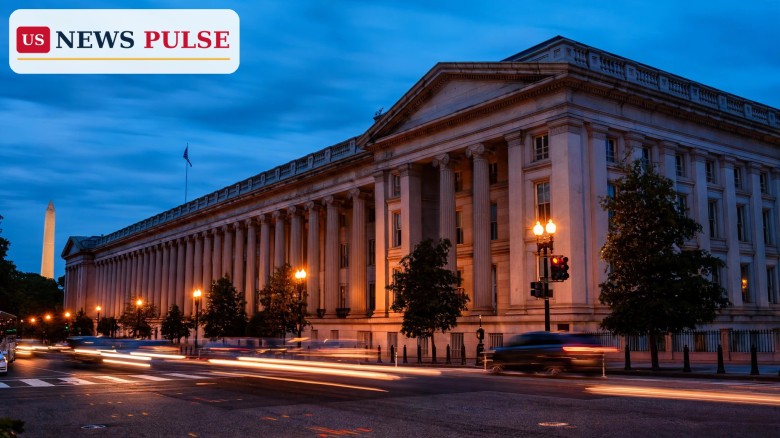
WASHINGTON — The United States Treasury Department on Monday imposed new sanctions on more than two dozen Iranian exchange houses, front companies and financial operatives accused of moving billions of dollars through a global “shadow banking” network that keeps Iran connected to international trade.
The action, from the Treasury’s Office of Foreign Assets Control (OFAC), targets the financial plumbing spanning Iran, Dubai, Hong Kong and Turkey that Washington says lets Tehran bypass American restrictions, sell oil and petrochemicals, and settle deals in roubles and yuan.
Key Points
- OFAC on Monday, November 23, 2026, sanctioned more than two dozen Iranian exchange houses, front companies and financial operatives in a sweeping shadow-banking crackdown.
- The top target is the Iran Center for Exchange of Currency and Gold, which matches exporters holding foreign currency with importers across tens of billions of dollars in annual trade.
- Also hit: the Rahbar Bazargani Nesim Baharan Qeshm Company, two Iran-based dealers, and 10 front companies in the UAE, Turkey and Hong Kong.
- Separately on Monday, the Treasury’s Financial Crimes Enforcement Network (FinCEN) reported nearly $15 billion moved through possible Iranian shadow-banking networks since January 2025.
- Treasury Secretary Scott Bessent said Iran’s shadow banking system is “the last financial lifeline of a bankrupt regime”.
What Happened
OFAC announced the designations on Monday, November 23, 2026, in the latest escalation of Operation Economic Outcast, the maximum-pressure campaign launched on August 24, 2026, naming the exchange houses, front companies and individuals the Treasury says form the network Iran uses to keep trading under sanctions and a naval blockade.
The centrepiece is the Iran Center for Exchange of Currency and Gold. The Treasury says it matches exporters holding foreign currency with importers seeking goods abroad, across tens of billions of dollars in annual trade, and its bonds are used by the Central Bank of Iran to settle cross-border trade in roubles and yuan without the dollar.
OFAC also sanctioned the Rahbar Bazargani Nesim Baharan Qeshm Company, the rahbar affiliate for Bank Sarmayeh, with three senior officials — Sayyed Mohammad Jalali, Valiollah Hemmati and Ali Kalhor — for facilitating transactions for major Iranian oil companies, plus two Iran-based dealers, Mina Fashki and Partners Exchange Company and Mellat Exchange Company, with five of their owners and officials.
Beyond Iran, the Treasury targeted 10 exchange-house front companies in the UAE, Turkey and Hong Kong, including Dubai-based Recaz Star General Trading LLC, tied to hundreds of payments worth more than $170 million for Sadaf Exchange, and OGA Global General Trading LLC, which paid the state-owned National Iranian Tanker Company. It also used counterterrorism authorities against Dubai-based H N B Trading Co LLC over payments for a vessel charter arranged through a front tied to Iran’s Armed Forces General Staff.
Background: The Shadow Banking System Behind Iran’s Trade
Iran has spent years building workarounds to American sanctions, and the exchange houses are among the most important. When an exporter earns foreign currency and an importer needs to pay for goods abroad, the centre matches them instead of routing the money through a bank, leaving no dollar transaction for Washington to freeze.
The system matters more than ever because the war with the United States, which began in late February 2026, has cut Iran off from much of the formal financial system. A US naval blockade of Iranian ports remains in place, and the Treasury says Iran has not loaded oil at its main terminal since the pressure campaign began.
Iran Shadow Banking Sanctions Strike at the Money Changers
The breadth of Monday’s list is what sets it apart. Earlier actions hit tankers and trustees; this one hits the people and companies that move the money — exchange houses in Dubai, Hong Kong and Turkey, dealers in Tehran, and the central institution in Iran, all named in a single day.
The FinCEN report published the same day puts a scale on the network: nearly $15 billion moved through possible Iranian shadow-banking networks since January 2025, including at least $2.6 billion from China-based banks, $981 million from Singapore-based banks and $922 million from UK-based banks, routed onward to banks in the UAE. The designations freeze any US-based assets of those named, bar Americans from dealing with them, and put foreign banks at risk of losing access to US correspondent accounts.
Reactions: Bessent Calls the Network Iran’s Last Lifeline
Treasury Secretary Scott Bessent framed the action as a direct attack on the Iranian government’s ability to keep functioning. “Iran’s economy is underwater, and its leaders are panicking,” Bessent said. “Iran’s shadow banking system is the last financial lifeline of a bankrupt regime.”
There was no immediate public response from the Iranian government or the Central Bank of Iran. Iran has in the past denied that its exchange houses break the law and called American sanctions economic warfare. The Dubai-based firms named did not immediately respond to requests for comment.
Why It Matters
It matters because the exchange houses are the hardest part of Iran’s sanctions-evasion system to replace. A tanker can be reflagged and a front company renamed, but a network matching exporters with importers across tens of billions of dollars a year takes years to build.
It matters, too, for ordinary Iranians. Truck drivers went on strike nationwide on Sunday over fuel prices and shortages, and producer inflation has passed 120%. The Treasury argues that cutting off the regime’s money will force change; the risk is that the pain lands first on ordinary people.
What Happens Next
The first test is enforcement. Designations only bite if banks and businesses actually cut ties, and the Treasury will watch whether the named firms reappear under new names in Dubai, Hong Kong or Turkey. OFAC has followed up with further tranches when front companies rebrand.
The second test is Iran’s response. Tehran has kept trading through the shadow system, shifting to new intermediaries each time Washington names the old ones. Whether losing the central exchange institution changes how Iran settles its trade, or pushes the business deeper underground, will become clear in the coming weeks.
Frequently Asked Questions
What did the US Treasury sanction on Monday?
OFAC sanctioned more than two dozen Iranian exchange houses, front companies and operatives accused of moving billions through a shadow-banking network.
What is Iran’s shadow banking system?
A network of exchange houses and front companies in Iran, Dubai, Hong Kong and Turkey that matches exporters with importers and settles trade in roubles and yuan, bypassing US sanctions and the dollar.
How much money did FinCEN report?
Nearly $15 billion since January 2025, including at least $2.6 billion from China-based banks, $981 million from Singapore-based banks and $922 million from UK-based banks.
What happens to those designated?
Their US-based assets are frozen, Americans are barred from dealing with them, and foreign banks risk losing access to US correspondent accounts.
What is Operation Economic Outcast?
The US maximum-pressure campaign launched on August 24, 2026, to cut off Iran’s oil revenue and financial networks during the US-Iran war.
Read our report on the four Iranian oil trustees sanctioned last week, the Treasury’s MEXC crackdown and the Indian shadow-fleet network.

The US News Pulse newsroom covers breaking news across the United States and the world, working from wire services, official statements and on-the-record sources. Every story is reviewed against our editorial standards before publication. Corrections and tips: info@usnewspulse.com
About our newsroomLeave a Comment