

 | Today's Date:

Trump Iran Strikes Debate: US Weighs Targeting Senior Iranian Leaders to End War
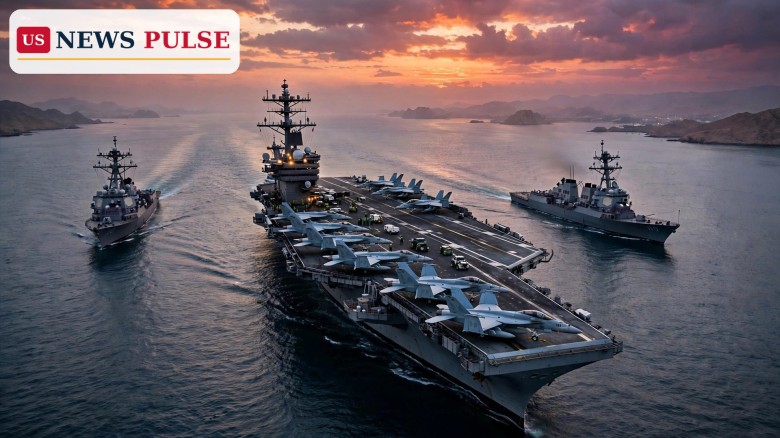
WASHINGTON — The Trump administration is debating whether the United States military should target senior Iranian leaders to end the nine-month war with Iran, NBC News reported on Tuesday, November 24, 2026. President Donald Trump has not made a final decision, according to the report, which cited a US official and a person familiar with the discussions. But the option is being weighed at the highest levels — alongside plans to resume large-scale combat and strike Iranian oil and nuclear sites — signalling the war may be entering a dangerous new phase.
Key Points
- NBC News reported on Tuesday, November 24, 2026, that Trump administration officials are debating whether the US military should target senior Iranian leaders to remove hardliners from the regime.
- Trump has not made a final decision; the option has long been on the table but has received renewed attention in recent weeks.
- Supporters say the strikes could end the nine-month war by showing Washington can find and kill Iran’s leaders at will; opponents warn it could harden Tehran.
- Other options include resuming large-scale combat and striking Kharg Island oil facilities, Qeshm Island energy infrastructure and Pickaxe Mountain nuclear sites.
- An administration official told NBC the US naval blockade of Iran would “continue with full effect”, while Ambassador Mike Huckabee said Trump is ready to resume military action if diplomacy fails.
What Happened
Targeting Iran’s senior leadership has been presented to Trump throughout the war, NBC News reported, but it has moved back to the centre of internal discussions in recent weeks. The report cited a US official and a person familiar with the discussions, neither named, and did not say who would be targeted or when.
Those in favour note the United States has already reached the very top of the Iranian state: American and Israeli forces killed then-supreme leader Ayatollah Ali Khamenei on the first day of the war in February 2026. Striking again, they argue, would remove the hardliners blocking a settlement and show those who remain that no safe house is beyond reach.
Those against the idea, including some of the military’s own senior officers, warn that killing a country’s leaders rarely ends a war: it can entrench the survivors, destroy what little trust exists and invite retaliation against American officials.
Background: Nine Months of War
The war began in February 2026, when the United States and Israel launched a joint campaign against Iran after months of tension over Tehran’s nuclear programme and its attacks on Gulf shipping. Khamenei was killed on the first day, and his son Mojtaba Khamenei succeeded him as supreme leader in March. Since then the war has settled into a grinding pattern of airstrikes, naval action and economic pressure.
Washington’s central weapon has been economic: a naval blockade of Iranian oil exports and the Treasury’s maximum-pressure campaign, Operation Economic Outcast. Treasury Secretary Scott Bessent has warned that Iran’s economy could shrink by 25 percent by March 2027, as the blockade has halted Iranian oil loadings. Fighting has continued: Trump said on Sunday that Iran had launched more drones and missiles in the last week than at any time in over a year, and a third US aircraft carrier, the USS Theodore Roosevelt, arrived in the Middle East.
Diplomacy has stalled: Washington demands Tehran abandon its nuclear programme and reopen the Strait of Hormuz; Tehran insists the blockade and sanctions end first. The Senate rejected a war powers resolution on November 19 by 48 votes to 51, leaving Trump’s military authority intact, and Trump suggested last week he could wait until after the new year.
Trump Iran Strikes: The Debate Inside the Administration
The argument inside the administration is about what ends wars. The case for targeting Iran’s leaders rests on the belief that the regime’s hardliners are the obstacle: remove them, and the survivors will calculate that further resistance is pointless. The February killing of Khamenei is held up as proof — the United States and Israel reached the most protected man in Iran on the first day of the war.
The case against is rooted in what happened next: Khamenei’s death did not end the war. His son took power, the fighting continued, and nine months later the two sides are still locked in the same standoff. Military leaders who oppose the idea argue that killing leaders does not kill a cause — successors are usually harder, not softer — and a decapitation strike would make it politically impossible for Tehran to negotiate. There is also precedent to consider: once the United States openly targets another country’s leadership, it invites the same treatment of its own officials.
Reactions
The administration has not confirmed the report, and no official has publicly endorsed targeting Iranian leaders. But the signals have been consistent: Ambassador to Israel Mike Huckabee said on Tuesday that Trump is prepared to resume military action if diplomacy fails, while the administration official who spoke to NBC about the blockade — saying it would “continue with full effect” — underlined that economic pressure will not ease.
Tehran has not publicly responded to this specific report, but its stated position has been uncompromising: senior Iranian officials have told Reuters that Iran is ready to respond forcefully to any new American attack, and its negotiators insist Washington must end the blockade and sanctions before nuclear talks can resume.
Why It Matters
Targeting a country’s senior leadership is one of the most consequential decisions a president can make in wartime, crossing a line most modern American conflicts have avoided. A leadership strike would almost certainly trigger Iranian retaliation — against US forces in the Gulf, against allies, and against shipping through the Strait of Hormuz, which carries a large share of the world’s oil. And a negotiated end is still on the table: every escalation makes a settlement harder to sell in Tehran.
What Happens Next
For now, the decision rests with Trump, and he has given himself time: his suggestion last week that he could wait until after the new year points to a window in which diplomacy could still produce movement. Three things are worth watching: whether the administration’s language sharpens, whether Iran responds with fresh attacks, and whether Congress reasserts itself. The blockade, at least, is not in doubt: it will “continue with full effect”.
Frequently Asked Questions
Has Trump decided to strike Iranian leaders?
No. NBC News reported on November 24 that officials are debating the option, but Trump has not made a final decision.
Who would be targeted?
The report named no individuals, describing the targets as senior Iranian leaders and hardliners in the regime.
Why is this being discussed now?
The war has lasted nine months, diplomacy has stalled and Trump is weighing his next steps.
What other military options is Trump considering?
Resuming large-scale combat and striking Kharg Island oil facilities, Qeshm Island energy infrastructure and Pickaxe Mountain nuclear sites, alongside the continuing naval blockade.
What has Iran said?
Tehran has not publicly responded to this specific report. Senior Iranian officials have previously said Iran is ready to respond forcefully to any new American attack.

The US News Pulse newsroom covers breaking news across the United States and the world, working from wire services, official statements and on-the-record sources. Every story is reviewed against our editorial standards before publication. Corrections and tips: info@usnewspulse.com
About our newsroomLeave a Comment