


 | Today's Date:


Sam Forstag Wins Montana House Seat in Historic First for Democrats in 32 Years
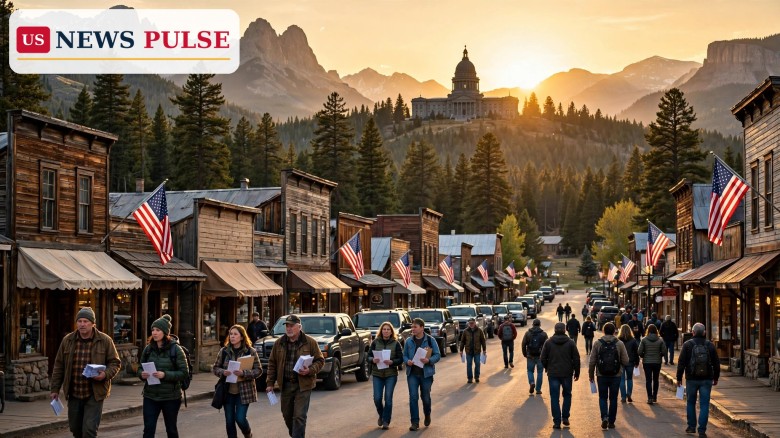
Democrat Sam Forstag has won Montana's 1st Congressional District, the western House seat, in the 2026 midterm elections, ending more than three decades without a Democrat representing Montana in the United States House. The Sam Forstag Montana House win was projected by CNN and Decision Desk HQ and reported by USA Today on November 4, 2026. The former smokejumper and union leader defeated conservative radio host Aaron Flint in a district Donald Trump carried by nearly 12 points in 2024. Montana Public Radio reported that Forstag held 50% to Flint's 47%, a lead of about 7,000 votes with 95% counted, while noting the Associated Press had not yet called the race.
Key Points
- Democrat Sam Forstag won Montana's western House seat in the November 3, 2026 midterms.
- Montana Public Radio reported Forstag at 50% to Aaron Flint's 47%, a lead of about 7,000 votes with 95% counted.
- Forstag declared victory on election night after Gallatin County results came in; Flint called him later that night to concede.
- He would be the first Democrat to represent Montana in the House since Pat Williams left office in 1997.
- The seat was open after Republican Representative Ryan Zinke retired.
What Happened
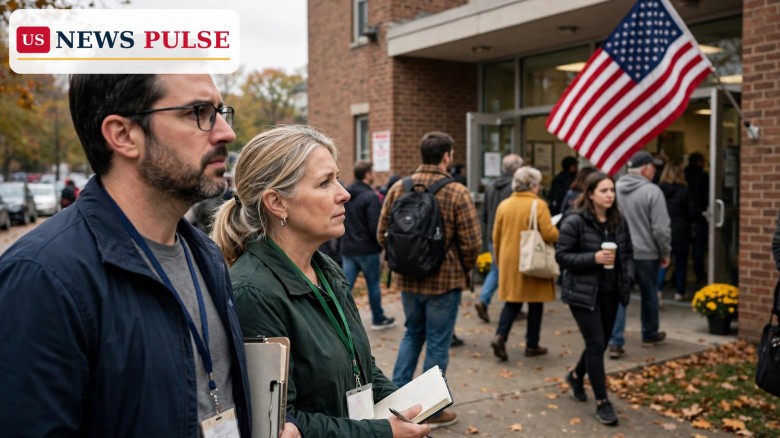
Forstag declared victory on election night once results from Gallatin County, home to Bozeman and one of the district's most important population centres, had come in. Flint called him later that night to concede, congratulating him on social media. The following day's reporting put the margin at about three percentage points. The distinction between a projected winner, a concession and a counted-vote lead matters: the Associated Press had not yet formally called the contest when Montana Public Radio published its Wednesday afternoon report, and remaining ballots could still narrow the margin, though the reported figures point clearly to a Forstag win. Final certification by Montana election officials will follow the completion of counting.
Background and Context
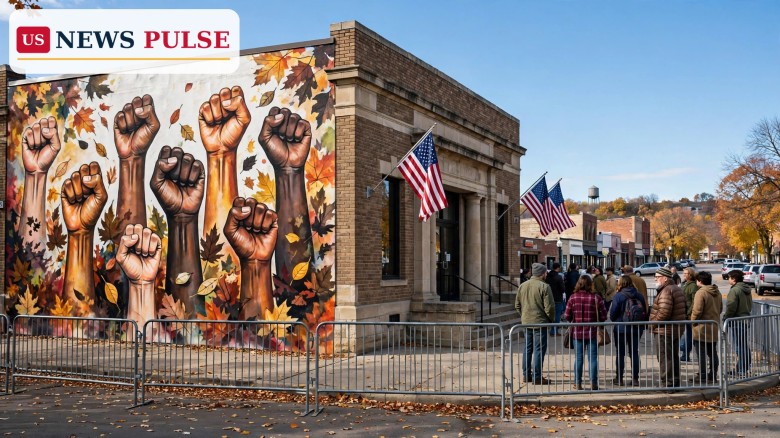
Montana has two House seats, and for decades both have been held by Republicans. The last Democrat to represent Montana in the House was Pat Williams, who left office in 1997. Since then, Montana Democrats have won statewide offices, including the governorship and a Senate seat, but the House delegation has remained Republican. A Democratic win in the western district therefore breaks a pattern that has held since the late 1990s, in a district that leans Republican on presidential voting. The seat came open because Republican Representative Ryan Zinke retired, removing the advantage of incumbency. Forstag campaigned heavily on issues that cut across party lines in Montana: protecting public land, making housing more affordable, and making health care more affordable.
Sam Forstag Montana House Victory
The Sam Forstag Montana House victory is significant not only because of who won, but because of the shape of the win. A lead of about 7,000 votes with 95% counted, and a 50% to 47% split, is a clear but not landslide margin, suggesting a coalition broad enough to win in a Republican-leaning district without depending on a single county. Gallatin County's election-night results triggered Forstag's victory declaration, underlining the importance of the Bozeman area, which has grown rapidly through Montana State University, technology, tourism and in-migration. Yet a Democrat cannot win the western district on Gallatin County alone, and Forstag's campaign, built around union networks and wildland firefighting credentials, was designed to travel well beyond university towns.
Reactions and Quotes
Forstag declared victory on election night and, at a press conference on Wednesday, set out the tone he intends to bring to Washington. He said his priority is, in his words, "helping to build a politics that has space for working people". The line captures the central theme of his campaign: that politics should make room for firefighters, nurses, teachers, ranchers and service workers, not only for the well-connected. Flint called Forstag on election night to concede and congratulated him on social media, a conventional but important step that helps close a hard-fought race without prolonged dispute. Smokejumpers parachute into remote wildfires, among the most demanding jobs in federal land management, and that experience gives Forstag direct credibility on wildfire and public-land funding.
Why It Matters
The Montana result matters for three reasons. First, it adds to the Democratic majority that will take office in January 2027, giving the party one more vote on every close question, from health-care funding to public-lands legislation. Second, it changes the map of Democratic representation in the West: Montana has long been a state where Democrats can win statewide, but not the House, and breaking that drought gives western Montana voters a representative whose party will control the House agenda. Third, it signals which issues and kinds of candidates can win in the Mountain West. Forstag's emphasis on public lands, housing and health-care affordability, combined with a biography built on firefighting and union work, offers a template other Democratic candidates in similar states may study.
What Happens Next
Remaining ballots will continue to be counted, news outlets will formalise their calls as counting concludes, and Montana election officials will certify the result. Forstag will then prepare to take office in January 2027, when the new Congress convenes, joining a Democratic House majority and a Montana delegation that will, for the first time in decades, include a Democrat in the House. He will need to set up district offices, hire staff, seek committee assignments relevant to Montana, such as natural resources or agriculture, and begin representing a district whose voters, including many who voted for his opponent, will expect attention to local services, federal land management and disaster response. If he can hold a Republican-leaning seat through a presidential cycle, it would mark a durable shift rather than a one-cycle swing.
For more on the 2026 midterms, read our coverage of how the Cook Political Report shifted 14 races toward Democrats before the midterms and how US news outlets call midterm races on election night.
Frequently Asked Questions
Who won Montana's western House seat in 2026?
Democrat Sam Forstag, a former smokejumper and union leader, won Montana's 1st Congressional District, beating conservative radio host Aaron Flint.
What was the margin?
Montana Public Radio reported Forstag at 50% to Flint's 47%, a lead of about 7,000 votes with 95% counted.
Why is the win historic?
He would be the first Democrat to represent Montana in the House since Pat Williams left office in 1997.
Why was the seat open?
The seat was open after Republican Representative Ryan Zinke retired, so neither candidate was an incumbent.
What did Forstag campaign on?
Protecting public land, housing affordability and health-care affordability, and building a politics that has space for working people.
Leave a Comment