


 | Today's Date:





DHS Sent 185,000 Administrative Subpoenas Since Trump Took Office, Filing Shows
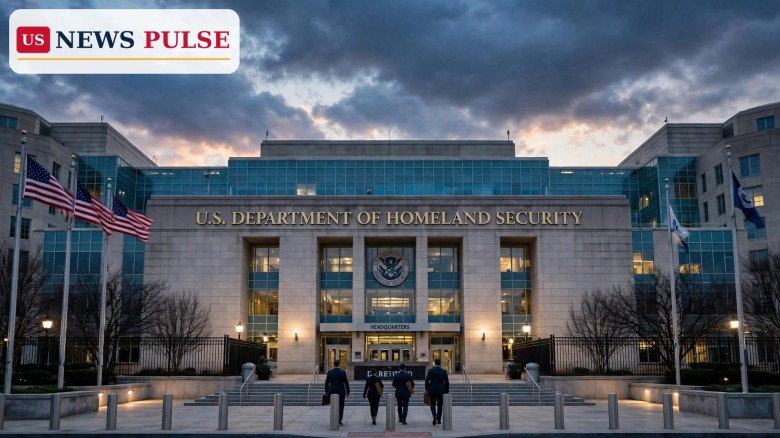
Homeland Security Investigations has sent at least 185,000 administrative subpoenas since President Donald Trump took office on January 20, 2025, according to a court filing reported by WIRED on Monday, November 9, 2026. The DHS administrative subpoenas figure, disclosed in a Freedom of Information Act lawsuit brought by the Electronic Frontier Foundation, shows the Department of Homeland Security using a tool that needs no judge's approval at a pace far beyond anything seen before.
The comparison with the past is what makes the total remarkable. From the start of 2016 to mid-August 2022, agents sent roughly 170,000 of the same kind of demands. The current administration has now passed that mark in less than two years.
Key Points
- Homeland Security Investigations estimates it has sent at least 185,000 administrative subpoenas since January 20, 2025, per a court filing reported by WIRED on November 9, 2026.
- That already exceeds the roughly 170,000 “1509 customs summons” ICE agents sent in more than six and a half years, from early 2016 to mid-August 2022.
- Administrative subpoenas need no judge's sign-off: unlike a grand jury subpoena or court order, the government need not explain to a court why it needs the documents.
- The figure emerged in a Freedom of Information Act lawsuit by the Electronic Frontier Foundation, which asked how many subpoenas went to technology companies, internet platforms and service providers since January 20, 2025.
- It is unclear whether the 185,000 covers only tech-company demands or a broader set.
What Happened
The number came to light in a court filing in the Electronic Frontier Foundation's Freedom of Information Act case against the Department of Homeland Security. The digital rights group asked the department to say how many administrative subpoenas it had sent to technology companies, internet platforms and service providers since the start of the Trump administration. The department's answer, filed in court and reported by WIRED on Monday, November 9, 2026, was an estimate of at least 185,000.
The filing does not settle a basic question about the scope of the count. It is not clear whether the 185,000 covers only demands sent to technology companies, or a wider set sent to banks, phone companies, retailers and other businesses. The new estimate passes that total in under two years.
Background
The power at the heart of the story is nearly a century old. The “1509 customs summons” dates back to the then stand-alone US Customs Service, and Congress transferred the authority to the Department of Homeland Security when the department was created in 2003. It lets immigration investigators demand records directly, without first persuading a judge that the demand is justified.
That is what sets an administrative subpoena apart. A grand jury subpoena comes from a court process, and a court order requires a judge to agree. An administrative subpoena requires neither: the agency issues it itself, and the recipient must comply or go to court to fight it. The department has also used the power to seek broad customer records about protesters, including a list of people in the Minneapolis-St. Paul area who bought a specific green beanie from retailer REI.
DHS Administrative Subpoenas: A Power With No Judge in the Loop
The reason the 185,000 figure has alarmed civil liberties advocates is the combination of scale and secrecy. An administrative subpoena can reach deep into records held by technology companies, internet platforms and service providers: account details, messages, location data, purchase histories and the identities behind anonymous accounts. Because no judge reviews the demand in advance, there is no independent check on whether it is too broad, or whether it targets protected speech.
The uncertainty over what the 185,000 covers is itself part of the story. If the count is limited to technology companies, the department has made an extraordinary number of demands on the platforms that hold Americans' digital lives. Either way, the department has not given the public a clear breakdown.
Reactions
The Electronic Frontier Foundation brought the Freedom of Information Act lawsuit to force the department to disclose how it uses the power. The group asked specifically about demands sent to technology companies, internet platforms and service providers since January 20, 2025, and the department's estimate of at least 185,000 was its response.
Privacy advocates have long argued that the lack of judicial review makes administrative subpoenas a poor fit for demands on technology companies, whose records can reveal a person's associations, reading habits, movements and private conversations. The new figure gives that argument a number: at least 185,000 demands in under two years.
Why It Matters
For ordinary Americans, the significance is not abstract. The companies that receive these demands hold the records of daily life: email accounts, social media profiles, cloud storage, phone records and online purchases. A demand that needs no judge can reach those records quickly and quietly, and the person whose records are sought may never know it happened.
The Minneapolis-St. Paul beanie case shows how broad a single demand can be: investigators sought a list of everyone in a metropolitan area who had bought a particular item from a particular store. At 185,000 demands in under two years, a large share of federal investigative work is happening outside the courtroom.
What Happens Next
The Freedom of Information Act lawsuit continues, and the Electronic Frontier Foundation is expected to press for a breakdown of the 185,000 demands by recipient, by the type of records sought, and by whether they were aimed at technology companies or a wider set of businesses. That breakdown would resolve the main ambiguity in the filing.
Congress may also take an interest. The authority dates to a statute written for a different era of customs enforcement, and lawmakers have debated whether a tool that needs no judge should cover the kinds of digital records that did not exist when it was created.
Frequently Asked Questions
What is an administrative subpoena?
A demand for records issued directly by a government agency. Unlike a grand jury subpoena or court order, it needs no judge's approval in advance.
How many administrative subpoenas has DHS sent since Trump took office?
At least 185,000 since January 20, 2025, per the department's own estimate in a court filing reported by WIRED on November 9, 2026.
How does that compare with the past?
ICE sent about 170,000 of the same demands, known as “1509 customs summons”, in more than six and a half years from early 2016 to mid-August 2022.
What is the 1509 customs summons?
A nearly century-old authority dating back to the then stand-alone US Customs Service. Congress transferred the power to the Department of Homeland Security in 2003.
Why are privacy advocates concerned?
Because no judge reviews the demands in advance, they can reach sensitive records held by technology companies and sweep in people who are not targets, as with the Minneapolis-St. Paul shoppers who bought a green beanie from REI.
Read more on US immigration enforcement: Judge Orders NYC to Hand ICE Shelter Records in Blow to Mamdani's Sanctuary Stance, ICE Recruits With Misconduct Records: 19 New Officers Had Red Flags, Post Finds.
Leave a Comment