


 | Today's Date:





Trump Extends Jones Act Waiver 90 Days to Keep Foreign Tankers Moving US Oil
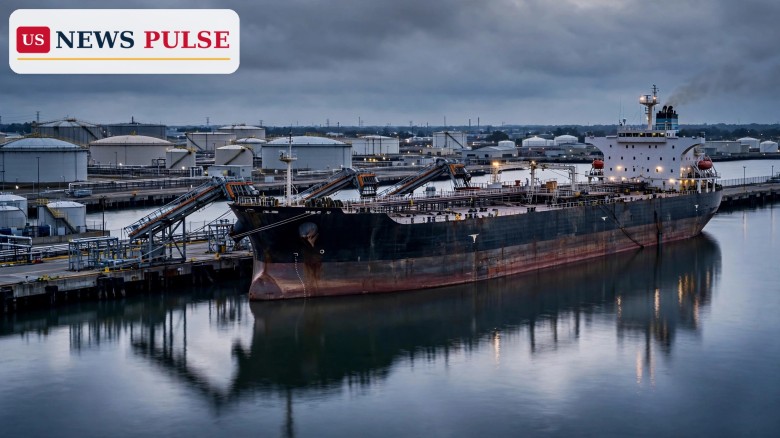
President Donald Trump has extended the Jones Act waiver for another 90 days, keeping foreign-flagged tankers moving oil and fuel between American ports into February 2027 and stretching the wartime shipping exemption into its ninth month — already the longest waiver in the century-old law's history.
Approved on Friday, November 13, 2026, it takes effect at 12:00 a.m. ET on Monday, November 16, with no gap when the current waiver expires on Sunday. It is the third 90-day renewal of the blanket waiver first issued in March, a month after the United States launched its war on Iran, and it keeps in place an emergency measure that has quietly reshaped how fuel moves around the American coast.
Key Points
- President Donald Trump has extended the Jones Act shipping waiver for 90 days, effective Monday, November 16, 2026, with no gap after the current waiver expires on Sunday.
- It is the third 90-day extension of the waiver first issued on March 17, 2026, and already the longest waiver in the law's 100-plus-year history.
- Foreign-flagged vessels may keep carrying gasoline, jet fuel, crude oil, naphtha, liquefied natural gas, soy oil and fertilisers between US ports.
- Since March, an additional 90 million barrels of petroleum, mostly refined products, have moved between US ports on 338 foreign-vessel voyages.
- The case-by-case check on whether an American ship can do the job, introduced in August, continues.
What Happened
A White House official told Reuters on Friday that the president had approved the extension, and US Customs and Border Protection issued guidance the same day confirming the Department of Homeland Security had approved a third 90-day extension of the March waiver, again at the Department of War's request.
The new waiver covers cargo loaded before 11:59 p.m. ET on February 14, 2027. The timing matters for shippers, refiners and fuel distributors planning winter deliveries: the current waiver expires on Sunday, November 15, and the new one begins at midnight on Monday, so there is no break in coverage.
The extension keeps the emergency framework intact. The case-by-case vessel-availability review introduced in August stays in place, so each voyage must still be checked first for whether an American ship can do the job before a foreign-flagged vessel is approved.
Background and Context
The Jones Act, formally the Merchant Marine Act of 1920, requires cargo moving between American ports to travel on vessels built, owned and crewed in the United States. Suspending it opens the coastal trade to a much larger pool of ships, and waivers are normally short, narrow and rare — which is why this one stands out.
The original blanket waiver was issued on March 17, 2026, a month after the United States launched the war on Iran. With the Strait of Hormuz disrupted, the administration moved to keep fuel flowing between American ports. Phillips 66 was among the first to use it, shipping roughly 300,000 barrels of Bakken crude from Texas to a Pennsylvania refinery aboard the Malta-flagged HTM Warrior in April.
The rules have tightened since then. Roughly 300 waivers were granted under the blanket exemptions in March and May, compared with just 48 since the switch to individual approvals in August, according to government figures cited by Reuters. The latest extension keeps that approval process intact.
Jones Act Waiver Extension: What the 90-Day Renewal Covers
The covered products are gasoline, jet fuel, crude oil, naphtha, liquefied natural gas, soy oil and fertilisers — the fuels and farm inputs most exposed to shipping bottlenecks. Any cargo under the extension must be loaded before 11:59 p.m. ET on February 14, 2027.
Since March, an additional 90 million barrels of petroleum, mostly refined products, have been shipped between US ports on 338 foreign-vessel voyages — a volume that shows how deeply the exemption is now woven into the domestic fuel supply chain.
The price backdrop explains why the White House acted: US gasoline averaged $3.91 a gallon on Thursday, November 13, against $2.98 before the Iran war began, according to AAA, while diesel stood at $6.10, up from $3.76. The White House hopes the extra shipping flexibility will help contain fuel and fertiliser prices, although previous exemptions have delivered little relief at the pump.
Reactions and Quotes
The extension has drawn the same split reaction as the earlier waivers: supporters in the administration and the energy industry call the flexibility a wartime necessity that keeps fuel moving while the war with Iran drives up costs.
Critics, including the domestic maritime industry and its allies in Congress, argue the exemption undercuts American mariners and shipbuilders. More than 50 Republican lawmakers urged Trump in June to restore the restrictions, citing American maritime jobs and national security concerns. Critics also estimate relaxing the Jones Act would save consumers "mere pennies per gallon", since shipping is only a small part of retail gasoline prices.
Why It Matters
Fuel prices are one of the most visible costs of the war for American households. Gasoline is up by nearly a third since before the war began, and diesel by more than 60 percent, and every extension signals the administration expects those pressures to persist well into next year.
It also matters as a precedent: at nine months and counting, it is already the longest Jones Act suspension ever granted, and each renewal normalises a tool designed for short emergencies. The longer it runs, the harder it becomes for the domestic fleet to argue the coastal trade should return to American hulls alone.
What Happens Next
The next decision point is February 14, 2027, when the loading window closes. Whether the administration seeks a fourth extension will depend on the war with Iran, the Strait of Hormuz and fuel prices. For now, shippers can plan winter deliveries knowing foreign-flagged vessels remain available, subject to the individual-approval check.
Attention will also fall on whether the August review process stays tight: only 48 individual approvals have been granted since August, against roughly 300 under the earlier blanket exemptions. For background, read our report on oil prices rising after the reported US strike on Iran's Qeshm Island and our coverage of record Election Day gas prices.
Frequently Asked Questions
What is the Jones Act waiver extension? It is a 90-day renewal of the suspension of the Jones Act shipping law, allowing foreign-flagged ships to carry oil and other commodities between US ports. It runs from November 16, 2026, with cargo to be loaded before February 14, 2027.
When does the new waiver take effect? At 12:00 a.m. ET on Monday, November 16, 2026 — with no gap after the current waiver expires on Sunday, November 15.
What products are covered? Gasoline, jet fuel, crude oil, naphtha, liquefied natural gas, soy oil and fertilisers.
Why was the waiver issued in the first place? The original blanket waiver was issued on March 17, 2026, a month after the United States launched the war on Iran, to keep fuel moving between American ports.
How much oil has moved under the waiver? An additional 90 million barrels of petroleum, mostly refined products, have been shipped between US ports since March, with foreign vessels completing 338 voyages.
Leave a Comment