

 | Today's Date:


Iran Vows 'All Available Tools' to Confront US Naval Blockade, Ministry Says
TEHRAN. — Iran said on Monday, Nov. 23, 2026, that it will use "all available tools" to confront the United States naval blockade, its sharpest public warning yet against the American pressure campaign on Iranian oil exports. Foreign Ministry spokesperson Esmaeil Baghaei delivered the vow at his weekly news conference, as the US-Iran war, running since late February, grinds on in the Gulf.
Key Points
- Iranian Foreign Ministry spokesperson Esmaeil Baghaei said on Mon Nov. 23, 2026 that Iran will use "all available tools" to confront the US naval blockade.
- The blockade on Iran-related oil exports was imposed Apr. 13, 2026, lifted in June, then restored Jul. 14 after the deal collapsed.
- Baghaei gave no specifics, leaving open diplomatic, legal, military or shipping responses.
- The warning follows a surge of attacks on Gulf shipping and President Donald Trump's warning of new strikes after Jan. 1, 2027.
- The US-Iran war has run since late February 2026, and the Pentagon says its cost has topped $47.1 billion.
What Happened
Baghaei made the vow at his regular weekly briefing in Tehran, answering a question about the American naval blockade on Iran-related oil exports. His words were brief and unspecific by design: Iran, he said, will use "all available tools" to confront the blockade. He did not say what those tools are, when Iran might use them, or whether Tehran has a timetable in mind. The vagueness is the message: a warning that leaves Washington guessing.
Background: A Blockade That Keeps Coming Back
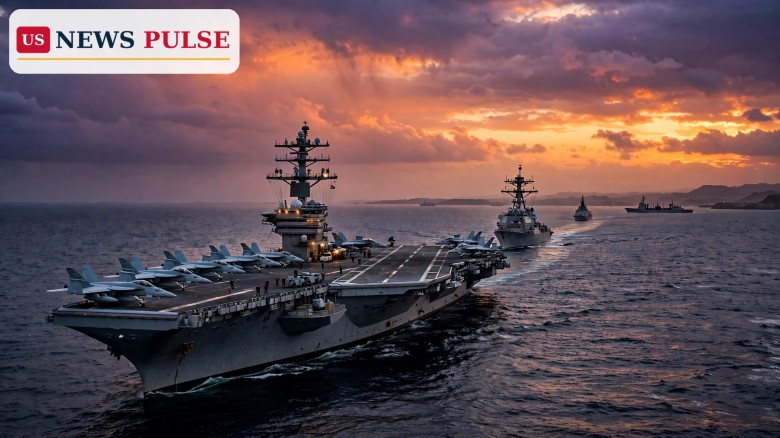
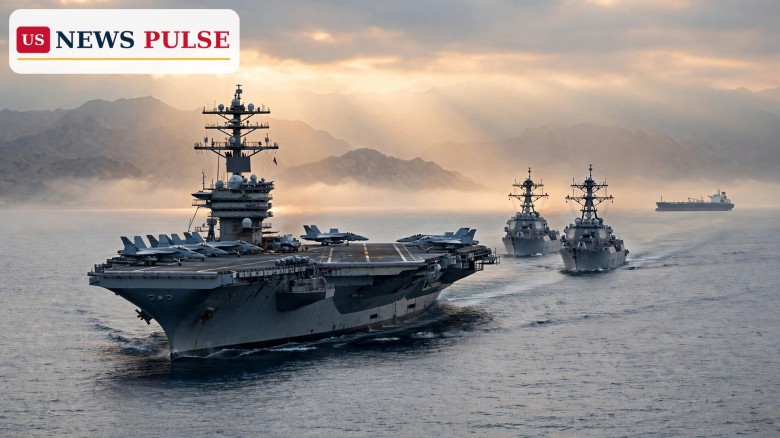
The naval blockade began as part of the American campaign that followed the outbreak of the US-Iran war in late February 2026. Washington's aim: cut off the oil money funding Tehran's war effort. Iran's oil exports, much of them shipped through the Gulf and the Strait of Hormuz, are the government's main source of hard currency, and a blockade enforced by warships is the most direct way to stop them.
The war has been expensive and grinding. The Pentagon has told Congress that the cost had already topped $47.1 billion as of mid-October, including more than $29 billion for munitions. Supertankers hit naval mines and caught fire in the Strait of Hormuz in the latest incident, and tanker attacks there have reached their highest level since the war began. By mid-November, shipping monitors had counted 17 confirmed incidents in the Gulf in that month alone.
Diplomacy has not kept pace with the fighting. Mediators, including Qatar, Oman and Pakistan, have produced draft understandings that never survived contact with the battlefield. Trump has said the United States will see what happens on Iran after Jan. 1, 2027, a warning that the pause in major strikes may not last past the New Year. Against that backdrop, Baghaei's vow reads as Tehran's answer: if Washington is preparing to escalate, Iran is preparing to respond.
The Iran Naval Blockade and What "All Available Tools" Could Mean
The phrase "all available tools" is deliberately broad, and its ambiguity is the point. In the language of Iranian official statements, it covers everything from diplomacy and legal challenges at international bodies to measures at sea and, in the extreme, military action. Tehran has used each of those levers in the war, and Baghaei's refusal to narrow the list keeps every option on the table.
What Iran has done before offers the clearest guide to what it might do again. Its forces and their allies have hit shipping in the Gulf, laid mines in the Strait of Hormuz, launched missile and drone surges against American and allied targets, and attacked US radar sites in the region. The pattern has been to strike where American power is stretched thin — at commercial shipping, at exposed bases, at the sea lanes themselves — rather than to meet the US Navy head-on. A direct naval clash with the US Navy would be a very different proposition from the shadow war at sea so far.
Reactions and Quotes
Baghaei's own words were the story. "Iran will use all available tools to confront the US naval blockade," he said at the weekly news conference, a formulation Iranian officials have used before to signal resolve without committing to a specific act. The Foreign Ministry offered no further detail, and no other Iranian official has yet elaborated on the statement.
Washington has not formally responded to the vow, but the American position has been clear for days. Trump has warned that new strikes on Iran could resume after the New Year, telling Fox News that the United States will see what happens after Jan. 1, 2027. The message: the pause is a window, not a settlement, and the blockade will continue until Tehran changes course.
Why It Matters
The vow matters because it puts the two sides on a collision course at the start of a dangerous window. Trump has set a date — the New Year — after which new strikes may resume. Iran has now answered with a threat of its own, tied to the blockade that is the most visible symbol of American pressure. If either side acts on its words in January, the war could enter a sharper and more destructive phase.
It matters for the world economy, too. The Strait of Hormuz carries a large share of the world's seaborne oil, and every attack on a tanker pushes up insurance costs, freight rates and, eventually, the price of fuel. The blockade is designed to keep Iranian oil off the market; Iranian retaliation against shipping would put other countries' oil at risk as well.
What Happens Next
The immediate question is whether Iran follows the words with action, and in what form. The days ahead will be watched for signs: unusual naval activity in the Gulf, new incidents involving tankers, statements from the Revolutionary Guard, or movement by allied groups in the region.
The longer question is whether diplomacy gets another chance. The draft understanding that lifted the blockade in June shows a deal is possible, even if it did not last. Mediators in Qatar, Oman and Pakistan remain engaged. Baghaei's vow does not close that door — but it does make clear that Iran will not accept the blockade as the price of peace.
Frequently Asked Questions
What did Iran say about the US naval blockade?
Foreign Ministry spokesperson Esmaeil Baghaei said on Mon Nov. 23, 2026 that Iran will use "all available tools" to confront the US naval blockade. He gave no specifics.
What is the US naval blockade on Iran?
An American naval effort to stop Iran-related oil exports, imposed Apr. 13, 2026, lifted in June, and restored Jul. 14 after the deal collapsed.
How long has the US-Iran war been going on?
The war has run since late February 2026. The Pentagon says its cost had already topped $47.1 billion as of mid-October.
Why is the Strait of Hormuz so important?
The strait is the narrow waterway through which much of the world's seaborne oil passes. Attacks on tankers there have reached their highest level since the war began.
What happens after the New Year?
President Trump has warned that new strikes on Iran could resume after Jan. 1, 2027.

The US News Pulse newsroom covers breaking news across the United States and the world, working from wire services, official statements and on-the-record sources. Every story is reviewed against our editorial standards before publication. Corrections and tips: info@usnewspulse.com
About our newsroomLeave a Comment