

 | Today's Date:




MAHA Influencers Cash In Pushing Dubious Wellness Products, Post Finds
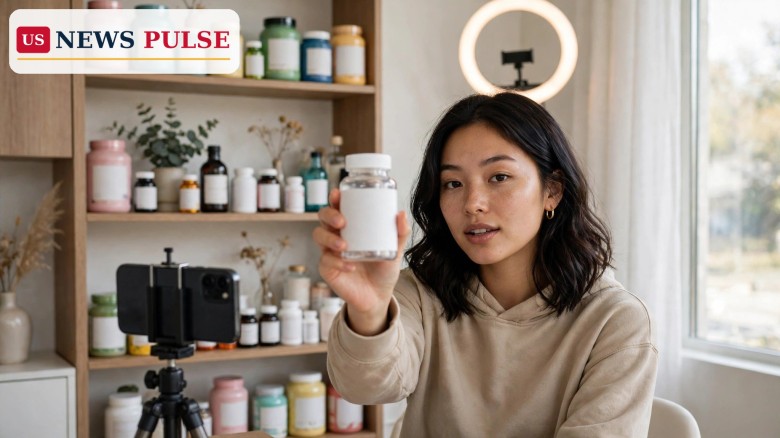
A Washington Post investigation published on Sunday found prominent MAHA influencers have turned large online followings into a fast-growing wellness business, promoting hundreds of supplements, foods and alternative treatments — some carrying lead warnings or failing a United States military safety screen. The review examined more than 37,000 posts, podcasts and newsletters from 18 Make America Healthy Again figures, and found promotions nearly tripled in two years, from 257 in early 2024 to 795 in the same period of 2026.
Key Points
- The Post reviewed 37,000-plus posts, podcasts and newsletters from 18 MAHA figures whose Instagram followings grew at least 50 percent from August 2024 to June 2026.
- Promotions rose from 257 in early 2024 to 795 in the same period of 2026; all but one of the 18 promoted products.
- At least 14 brands they promoted sell products watchdogs say contain lead at levels requiring California Proposition 65 warnings.
- At least 15 promoted products would likely fail the Defense Department's Operation Supplement Safety screening tool.
- The FTC penalised one promoted company, TruHeight, over claims its supplements could make children taller.
What Happened
The investigation began with more than 80 supporters of the Make America Healthy Again movement or Robert F. Kennedy Jr.'s political rise with at least 100,000 followers on a major social platform. Researchers narrowed it to the 18 whose Instagram followings grew by 50 percent or more from August 2024 to June 2026, then reviewed their output from January 2024 to late October 2026. The promotions covered supplements, baby food, skincare, detox products and alternative medical services, and the review counted only posts with evidence of a commercial relationship, such as disclosed sponsorships, discount codes or products sold through an influencer's store.
The findings point to a commercial infrastructure growing alongside the movement's political influence. Many have used expanded audiences to build businesses, pursue sponsorships or direct followers to products they sell. The analysis does not establish that every promoted product is dangerous, or that every influencer was paid for every mention, and public information cannot show how much money the group has earned. Supporters also invoked MAHA less than half as often in recent months as in early 2025, with some voicing disappointment over the administration's progress on food, pesticide and vaccine policy.
Background and Context
Those examined include people in Kennedy's political rise: former campaign communications director Del Bigtree, former running mate Nicole Shanahan and Casey Means, whose surgeon-general nomination was later withdrawn. Kennedy is now the nation's health secretary, and the analysis excluded his accounts after he took office. Experts say the trust-commerce link warrants scrutiny: followers may see MAHA personalities as alternative sources of health advice, and that trust can lead them to buy the products those personalities promote. Some said they select products carefully; some disputed being called influencers at all.
How MAHA Influencers Built a Wellness Marketplace
The growth is clearest in individual counts. Podcaster Alex Clark's promotions rose from 123 in early 2024 to 352 in the same period this year, nearly a threefold increase, while Courtney Swan's rose from 25 to 137. Carly Brown said on Instagram she had built a million-dollar online business and earned $10,000 a month from brand partnerships, and she sells a three-day juice cleanse for $265 alongside Happy Bum Co. silicone enema kits at $74.95. Bigtree said he takes no paid sponsorships, though he acknowledged promoting some products for payment or donations.
Joel "Dr. Gator" Warsh, a physician and wellness personality, has offered paid vaccine-coaching sessions through a newsletter, with VIP subscribers paying $499 a year, and promoted TruHeight's products even after the FTC announced its judgment against the company. Swan promoted homeopathic company Boiron in 2026, which said it paid her to make a video promoting an allergy medicine.
Reactions and Quotes
A Department of Health and Human Services spokeswoman said MAHA's mission is better nutrition, prevention and rigorous science, and that the secretary's leadership should not be treated as an endorsement of every influencer or product associated with the movement. Cancer surgeon David Gorski, a Wayne State University professor, disputed the suggestion that juice cleanses and other methods described by Brown could treat cancer, and warned: "If it sounds too good to be true, it almost certainly is." Peter Lurie, of the Center for Science in the Public Interest, said some promoters were capitalising on misleading beliefs.
Bruce Gellin, a former federal vaccine official, said he knew of no large human trials showing detox supplements safely or effectively clear spike proteins from the body. Joshua Sharfstein, a former senior FDA official, warned that even a harmless product could put patients at risk if it leads them to delay proven treatment. Swan said commercial relationships do not automatically amount to endorsement. TruHeight co-founder Eden Stelmach said the company accepted responsibility and changed its advertising practices.
Why It Matters
The risks are not only financial. The CDC and EPA say there is no known safe level of lead exposure, and the potential exposure is especially concerning for infants and young children, who are more vulnerable to lead's effects on brain development. Some promotions suggested vaccines are unsafe, which experts warn could erode declining vaccination rates further. One was a $89.99-a-month "Ultimate Spike Detox" supplement sold by The Wellness Company, which also markets emergency kits with hydroxychloroquine and ivermectin, medicines trials found offer no meaningful benefit against Covid-19. Studies also found lower survival rates among some cancer patients who choose alternative treatments over conventional care.
What Happens Next
Regulators are already moving on parts of the picture. The Center for Inquiry's lawsuit against Boiron, alleging the company misrepresented its products, is scheduled for trial, and an industry self-regulatory group referred skincare company Primally Pure to the FTC in 2025. Whether the investigation prompts wider action from the FDA or the FTC remains to be seen, but the figures' commercial partnerships may give them a lasting presence beyond the political moment.
Frequently Asked Questions
What did the Washington Post investigation find? It found 18 MAHA influencers nearly tripled promotions in two years, to 795 in the first half of 2026, and at least 14 brands they promoted sell products watchdogs say contain lead at levels warranting California warnings.
Who are the MAHA influencers named in the investigation? They include Del Bigtree, Nicole Shanahan, Casey Means, Alex Clark, Courtney Swan, Carly Brown and Joel "Dr. Gator" Warsh.
What is California's Proposition 65? It is a California law requiring warning labels on products with chemicals, including lead, above state thresholds stricter than federal standards.
What happened with TruHeight? The FTC won a $4 million judgment over claims its products could make children taller; the company paid $750,000 and was barred from making false or unsupported health claims.
What did the Health Department say? An HHS spokeswoman said MAHA's mission is better nutrition, prevention and rigorous science, and the secretary's leadership is not an endorsement of every influencer or product.
Read more on US News Pulse: Calley Means Demands Wiles Preserve Records After Rogan Corruption Claims, US Measles Cases Surge Past 7,700 as 13 Deaths Reported in 2026 and Voceryq FDA Approval: First DNA Medicine to Cut Surgeries for Rare Airway Disease.

The US News Pulse newsroom covers breaking news across the United States and the world, working from wire services, official statements and on-the-record sources. Every story is reviewed against our editorial standards before publication. Corrections and tips: info@usnewspulse.com
About our newsroomLeave a Comment