

 | Today's Date:





CENTCOM Denies $2.5M Hormuz Toll Claim as USS Abraham Lincoln Heads Home
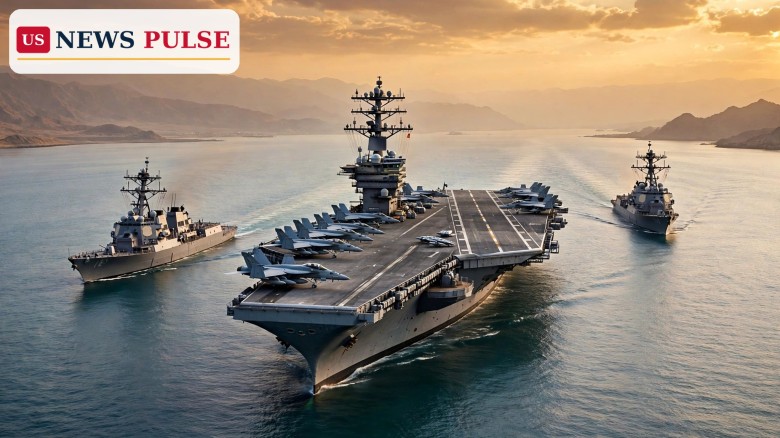
United States Central Command said on Friday that American forces and regional partners have restored freedom of navigation through the Strait of Hormuz, rejecting as fabricated three claims by an Iranian military commander, including an alleged $2.5 million toll on passing ships. In the same statement, posted on X, CENTCOM said the USS Abraham Lincoln carrier strike group had completed its combat mission and returned safely to the United States. The announcement came as a US aircraft disabled the bulk carrier Pacific Archer in the Gulf of Oman for trying to breach the blockade of Iranian ports, the sixth vessel stopped since it resumed.
Key Points
- CENTCOM says US forces and partners control the Strait of Hormuz and navigation is restored.
- It denied a $2.5 million transit toll, the alleged seizure of two Iranian tankers, and a claimed strike on the Lincoln.
- CENTCOM said "Iran no longer has a navy" and the carrier "was well defended and never struck".
- The USS Abraham Lincoln strike group has completed its combat mission and returned home.
- It came as the US disabled the Pacific Archer, the sixth ship stopped under the blockade.
What Happened
CENTCOM issued the statement late on Friday, November 27, on X, as the war entered its tenth month. The command said thousands of ships and billions of barrels of crude oil now transit the strait freely and safely under American protection. It answered an Iranian military commander whose claims had circulated in Iranian media, addressing each in turn and calling them fabricated.
First, the United States supposedly charges ships $2.5 million each to pass through the Strait of Hormuz. The second was that American forces seized two Iranian oil tankers, which the Revolutionary Guard navy retook while US troops slept. The third was that Iranian forces struck the USS Abraham Lincoln on February 28, the first day of Operation Epic Fury, and forced the carrier to request an evacuation. CENTCOM rejected all three claims. It also announced that the Lincoln strike group had finished its combat mission and returned safely to the United States.
Background
The United States launched the war alongside Israel on February 28, 2026, and Hormuz has been one of its central battlegrounds ever since. The narrow waterway between Iran and Oman carries a large share of the world’s seaborne oil, and both sides treat control of it as a test of the war. Tankers have been hit by mines and projectiles around the strait, including four tanker explosions earlier in the conflict.
In mid-July, Washington reimposed a naval blockade of Iranian ports after a June memorandum of understanding collapsed. The blockade aims to cut off the oil revenue funding Tehran’s war effort, enforced ship by ship. On Friday, a US aircraft disabled the Palau-flagged bulk carrier Pacific Archer in the Gulf of Oman after it tried to breach the blockade, the sixth vessel disabled and one of 158 ships redirected since it resumed. The Lincoln’s deployment has been one of the longest of the war, sailing from San Diego in November 2025, and earlier reporting documented the strain of deployments with no port visit.
The $2.5 Million Hormuz Toll Claim
Of the three claims, the alleged $2.5 million toll is the most striking: it would amount to the US taxing one of the world’s busiest shipping lanes. No evidence has been published, and no shipper or insurer has reported paying it. CENTCOM’s denial was categorical: the claim is fabricated, and ships transit freely under US protection rather than paying for passage.
The other two claims follow the same pattern. The story of two seized tankers retaken by the IRGC while American troops slept would, if true, have embarrassed the US Navy, yet no vessel names, dates or images have accompanied it. The claim that the Lincoln was struck on the war’s first day and forced to seek evacuation is likewise unsupported: the carrier kept operating throughout the campaign, and CENTCOM said it was never hit. Together, the three denials directly challenge Tehran’s account of the naval war.
Reactions
CENTCOM’s statement was its most direct public rebuttal of Iranian claims about the naval war since the fighting began. By naming each claim, the command moved beyond confirming operations into an open argument about the facts. Its line that Iran no longer has a navy was the statement’s sharpest sentence: the US controls the strait, and Iran cannot contest it.
The Iranian claims reached the public through Iranian media and were reported by Gulf News and APA, which carried CENTCOM’s denial alongside them. Tehran has presented its navy as still active and its forces as having scored successes against American ships. CENTCOM’s answer is that none of those successes happened, and that the carrier’s safe return home is the proof. Neither side has published imagery or logs to settle the argument.
Why It Matters
Hormuz carries oil that heats homes and powers factories across Asia and Europe, so a $2.5 million toll per ship would hit energy prices and shippers’ confidence at once. CENTCOM’s denial is the US military’s formal word that no such toll exists and the strait is open, a message aimed at oil markets and insurers as much as at Tehran.
The Lincoln’s return matters for a different reason. Carrier strike groups are the most visible instrument of American power in the Gulf, and the end of this deployment signals a change in the naval campaign. It also closes a deployment that tested the Navy’s endurance, and leaves open what replaces the Lincoln.
What Happens Next
Tehran has not yet answered in detail; its response will show whether the argument escalates or fades. The blockade continues, and each new case will test how far Washington will go against third-country vessels. Oil traders will also watch Sunday’s OPEC+ meeting for any signal about supply. The Lincoln’s return closes one phase of the naval campaign; what replaces it in the Gulf will shape the next.
Frequently Asked Questions
What did CENTCOM say about the Strait of Hormuz?
US forces and partners control the strait, navigation is restored, and shipping moves freely under US protection.
Did the US charge ships $2.5 million to cross Hormuz?
No. No evidence exists, and CENTCOM called the claim fabricated.
Was the USS Abraham Lincoln hit by Iranian forces?
No. CENTCOM said the carrier was well defended and never struck.
What happened to the Pacific Archer?
A US aircraft disabled it in the Gulf of Oman after it tried to breach the blockade — the sixth ship disabled, with 158 redirected.
What is the US blockade of Iran?
Washington reimposed a naval blockade of Iranian ports in mid-July 2026 to cut off oil revenue funding Tehran’s war effort. US forces stop, redirect or disable vessels that try to run it.
Read more: US disables bulk carrier Pacific Archer in Gulf of Oman after it tries to run Iran blockade, Pentagon weighs future of Bahrain naval base after $400 million in Iran strikes and Four tankers hit by explosions in Strait of Hormuz as Iran says two more strike mines.

The US News Pulse newsroom covers breaking news across the United States and the world, working from wire services, official statements and on-the-record sources. Every story is reviewed against our editorial standards before publication. Corrections and tips: info@usnewspulse.com
About our newsroomLeave a Comment