

 | Today's Date:


Dow Erases 1,100-Point Plunge to Close Higher as Nasdaq and S&P Pare Losses
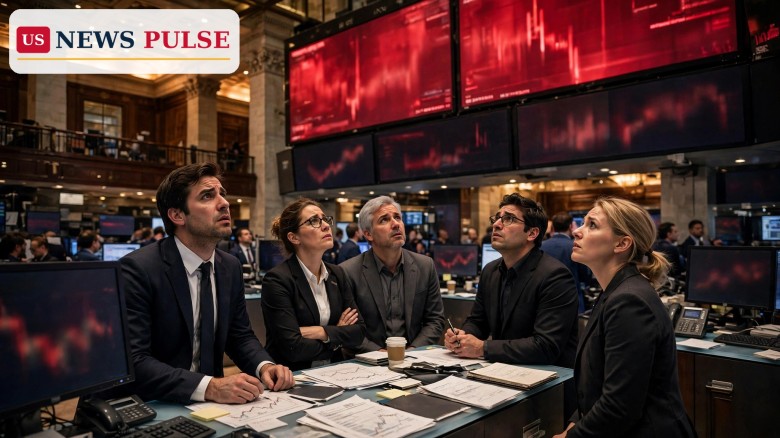
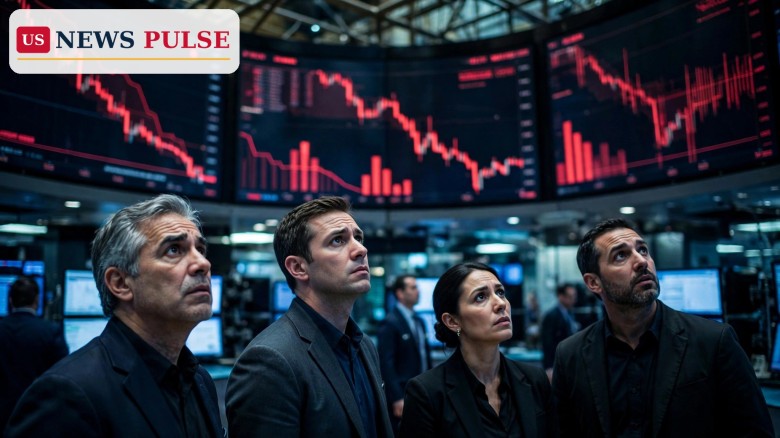
Wall Street lived through one of its wildest sessions in years on Wednesday, November 25, 2026: the Dow Jones Industrial Average plunged more than 1,100 points in the morning, then erased the loss to close higher, while the Nasdaq and the S&P 500 clawed back most of their declines. The whipsaw came on a triple dose of bad news: hot October inflation, new Trump tariff proposals, and a deepening rout in artificial intelligence stocks.
Key Points
- The Dow rose 164.25 points (0.33%) to 50,182.95, after falling 1,104 points intraday to 48,913.74.
- The S&P 500 fell 18.31 points (0.25%) to 7,182.78, after dropping as much as 3.2% and briefly falling below 7,000.
- The Nasdaq Composite fell 147.73 points (0.62%) to 23,585.80, after plunging as much as 4.6%.
- October PCE inflation came in at 3.8% year on year, with core PCE at 3.3%, nearly twice the Fed's 2% target.
- The Trump administration proposed new Section 301 tariffs on 14 trading partners, including a 20% duty on China.
What Happened
Stocks opened sharply lower and kept falling through the morning. The Nasdaq was down more than 4% by late morning, the S&P 500 had slid more than 3%, and the Dow had shed over 1,100 points. The Philadelphia Semiconductor Index fell as much as 7.96%, and the VIX volatility index jumped to 35 before settling at 28.29.
Then, in the afternoon, buyers stepped in, and money rotated into health care, consumer staples, materials and energy. The Dow swung nearly 1,270 points from its low to close up 164.25 points at 50,182.95, one of the biggest intraday comebacks in nearly five years. The S&P 500 finished down just 0.25% at 7,182.78, and the Nasdaq closed 0.62% lower at 23,585.80 after falling 1,101 points at its low.
Nvidia fell 3.91% to close at $149.30,, after losing 5.9% on Tuesday; the brief lift from chief executive Jensen Huang's surprise reinstatement on Monday has now faded. Micron plunged more than 10%, AMD lost about 9%, Oracle fell 5% and Dell dropped 7.7%.
Background
Wall Street has been selling off AI stocks for weeks as investors question whether the debt-fuelled data-centre buildout will ever pay off. The worst day so far came on November 5, when the Nasdaq crashed 5.5%, its largest one-day fall in over a year, wiping about $2 trillion off the index. Related coverage: Nasdaq crashes 5.3% as Anthropic plunges in brutal Friday Wall Street rout.
The Commerce Department reported that the personal consumption expenditures price index rose 0.3% in October and 3.8% from a year earlier, nearly twice the Federal Reserve's 2% goal. Core PCE came in at 3.3%, slightly hotter than expected, and investors now treat another quarter-point hike at the Fed's December 9 meeting as close to certain, with odds above 90%, according to CME FedWatch. The Trump administration also formally proposed new Section 301 duties on 14 trading partners, including a 20% tariff on China and 15% on the European Union. Related coverage: US unveils new Section 301 tariffs on 14 partners as China faces 20% duty. Tariffs threaten to keep inflation higher for longer, although the economy is still growing: US GDP rose 4.3% in the third quarter.
Dow's 1,100-Point Plunge — and the Comeback
What made Wednesday remarkable was the afternoon recovery, not the morning fall. The Dow's swing from a 1,104-point loss to a 164-point gain covered nearly 1,270 points, the kind of round trip Wall Street last saw in January 2022. The Nasdaq recovered more than 950 points from its low, and the S&P 500 climbed back above 7,000 after briefly trading below it. Traders described a rotation rather than a rout by the close: money left the most crowded AI names and moved into cheaper, defensive corners of the market.
Whether the bounce marks a bottom is far from settled. The Nasdaq is up just 1.5% since January 1, while the S&P 500 is up almost 5%, and both indexes remain on course for one of their steepest November declines in years.
Reactions
Chris Brigati, chief investment officer at SWBC, said the AI worries are not going away. "We are not out of the woods with the downside risk from the AI trade, as the Jensen Huang stock put is fading," he wrote. "Investors are still nervous and none of the fundamental questions about AI's return on investment from the heavy capex spending have been resolved even with the unusual return of Jensen as CEO of Nvidia." He added: "A Santa Claus rally looks unlikely for a fourth straight year. The Fed is expected to hike in December, and the market is entering correction territory heading into Thanksgiving."
Jim Reid of Deutsche Bank called it "pretty wild out there."
Why It Matters
Wednesday showed how fragile the market's confidence has become. Three separate forces — hot inflation, new tariffs and doubts about AI spending — hit on the same day, and the morning sell-off was indiscriminate before buyers drew a line. A December rate hike would tighten financial conditions just as the tariff proposals threaten to push prices higher, squeezing both companies and households. For the AI trade that has carried the market for two years, investors are no longer asking whether AI spending will grow, but whether it will ever earn its cost.
What Happens Next
US markets are closed on Thursday for Thanksgiving, with a shortened session on Friday, so the next real test comes next week. Traders will watch whether Friday's thin session holds Wednesday's gains, and whether the late buyers return on Monday. The Federal Reserve's December 9 meeting is now the next big date, with a rate hike almost fully priced in. If the rotation continues, Wednesday may be remembered as the day the market found its footing; if not, the plunge will look like a warning.
Frequently Asked Questions
How much did the Dow fall and recover on Wednesday?
As much as 1,104 points, or 2.2%, to an intraday low of 48,913.74 — then it recovered the entire loss and closed up 164.25 points, or 0.33%, at 50,182.95.
Why did stocks plunge on Wednesday?
Hot October PCE inflation at 3.8% year on year, new Section 301 tariffs on 14 trading partners, and a deepening rout in AI stocks.
What did the October inflation report show?
The Fed's preferred PCE gauge rose 0.3% in October and 3.8% from a year earlier, up from 3.7% in September. Core PCE was 3.3%.
What are the new Section 301 tariffs?
New duties on 14 trading partners, including 20% on China and 15% on the European Union. They would not take effect immediately and face a public comment process first.
Are US markets open on Thanksgiving?
No. Markets are closed on Thursday, November 26, for Thanksgiving, with a shortened session on Friday, closing at 1 p.m. ET.

The US News Pulse newsroom covers breaking news across the United States and the world, working from wire services, official statements and on-the-record sources. Every story is reviewed against our editorial standards before publication. Corrections and tips: info@usnewspulse.com
About our newsroomLeave a Comment