

 | Today's Date:



Judge Permanently Bars California From Enforcing Anti-ICE Laws in DOJ Win
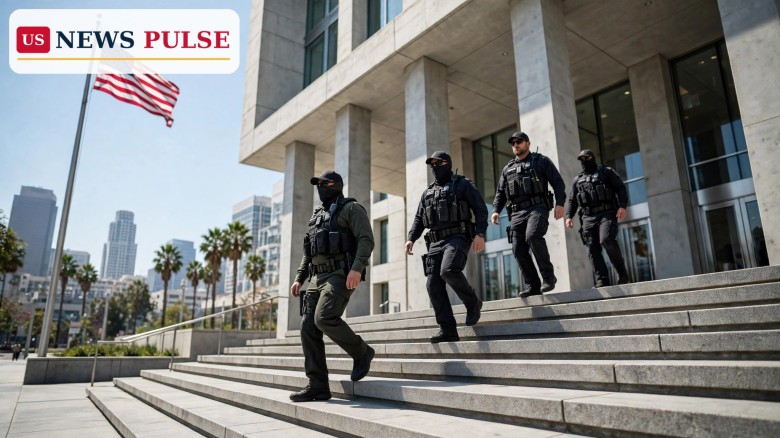
A federal judge has permanently barred California from enforcing its anti-ICE laws against federal officers, ending a year-long court fight with the nation's largest state and handing the Trump administration a major immigration-enforcement win. Judge Christina A. Snyder of the U.S. District Court for the Central District of California entered the permanent injunction on Tuesday, November 17, 2026, blocking four provisions on face masks, badge display and use-of-force rules from applying to the United States, its officers and its agencies.
Key Points
- Judge Christina A. Snyder entered a permanent injunction on November 17, 2026, barring California from enforcing four state laws against federal officers and agencies.
- The barred provisions — Government Code Sections 7288 and 7289 and Penal Code Sections 185.5 and 13654 — covered masks, badge display and state use-of-force standards.
- The case was dismissed with prejudice, California agreed to end it without further appeals, and the court kept jurisdiction to enforce the judgment.
- The Justice Department sued on November 17, 2025, saying the laws interfered with officers' ability to protect their identities and do their jobs.
- Attorney General Todd Blanche celebrated the ruling on November 19, calling it a huge win for law enforcement in California.
What Happened
The order bars California, Attorney General Rob Bonta and Governor Gavin Newsom, in their official capacities, from enforcing the four provisions against the United States, federal law enforcement officers and federal law enforcement agencies. It also binds their successors, officers, agents, employees and attorneys. The protection is deliberately narrow: it covers federal officers and agencies only, not anyone else.
The case ended the same day. The court dismissed the action with prejudice as to all defendants, so the claims cannot be brought again, and California agreed to conclude the case without further appeals. The parties had reached a joint stipulation, and the court cancelled a November 13 scheduling-conference deadline. The court retained jurisdiction to implement and enforce the judgment, to resolve any dispute over carrying it out.
What the California Anti-ICE Laws Required
The four provisions were among the most direct state-level challenges to federal immigration enforcement. Sections 7288 and 7289 of the California Government Code and Sections 185.5 and 13654 of the California Penal Code restricted federal officers' use of face coverings and masks, required them to display badges, and imposed state use-of-force standards. California lawmakers passed the measures in 2025, as masked federal agents became a flashpoint in the administration's immigration crackdown.
For federal officers in California, the change is immediate: state officials can no longer use those provisions to demand that agents uncover their faces, display state-mandated identification or follow California's use-of-force rules. Federal officers remain bound by federal rules and their agencies' policies, but state standards no longer apply to them. For everyone else in California, the laws remain on the books.
Background: A Year-Long Fight Over Federal Authority
The United States filed the action on November 17, 2025 — exactly one year before the injunction was entered. The Justice Department alleged that California's laws interfered with federal law enforcement by restricting officers' ability to protect their identities and perform their official duties. Masked agents had become a flashpoint in immigration raids across the state.
California is not the only state to test this ground. A federal judge in Connecticut issued a preliminary injunction on November 20, 2026, blocking that state from enforcing parts of its own law, SB 397, against federal officers. The California ruling goes further: a permanent injunction, entered with the state's agreement to end the case, rather than a temporary order while a case continues. Other states with similar laws are watching, because the Justice Department is expected to cite the California judgment elsewhere.
Reactions
Justice Department leaders framed the ruling as a statement of first principles. Associate Attorney General Stanley E. Woodward Jr. said the injunction confirms that states "cannot regulate the federal government or dictate how federal officers perform official duties." Acting Assistant Attorney General Jonathan D. Guynn added that "the federal government decides what equipment its officers may use and what steps they may take to protect themselves while working."
Attorney General Todd Blanche celebrated the ruling on November 19, calling it a huge win for law enforcement in California. The injunction had been entered two days earlier; the celebration presented the victory as a settled outcome. For the Justice Department, it was the cleanest possible end to the case — a permanent order, a dismissal with prejudice and no appeal.
Why It Matters
The ruling draws a hard line under one of the central legal fights of the second Trump administration: whether states can regulate how federal officers do their jobs. The Justice Department's argument rests on the constitutional principle that states cannot control the federal government, and Judge Snyder's permanent injunction gives that argument its strongest judicial endorsement yet in the immigration context. A preliminary order can be revisited; a permanent injunction is meant to last.
It also matters because of where it happened. California is the largest state in the country, home to the biggest immigrant population and the site of the most confrontational immigration enforcement operations of the past two years. Its laws were designed as a model for other Democratic-led states, and their defeat will shape whether others follow. The public argument continues: critics say accountability requires identifiable officers, while the administration says identification puts agents at risk.
What Happens Next
With California agreeing not to appeal, the injunction is the final word in the California case, with the court keeping jurisdiction only to enforce the judgment. Federal officers in the state will operate under federal rules, free of the four state provisions, while the laws continue to apply to everyone else. The Justice Department is expected to point to the California judgment as it presses similar cases in other states.
The broader fight is far from over. Massachusetts has sued over federal courthouse arrests, and lawmakers are demanding answers about the ICE detainee locator system, as states and Congress keep challenging federal immigration enforcement elsewhere. But on whether a state can tell federal agents what to wear and how to identify themselves, California's case is now closed — and the answer is no.
Frequently Asked Questions
What did the judge order?
Judge Christina A. Snyder entered a permanent injunction on November 17, 2026, barring California from enforcing four state laws against the United States, federal officers and federal agencies.
Which four laws are blocked?
Government Code Sections 7288 and 7289 and Penal Code Sections 185.5 and 13654, covering masks, badge display and state use-of-force standards.
Does the ruling affect state or local police?
No. The injunction protects only federal officers and agencies. The four laws remain enforceable against everyone else, including state and local officers.
Can California appeal the ruling?
No. The case was dismissed with prejudice and California agreed to conclude it without further appeals. The court kept jurisdiction only to enforce the judgment.
What happens in other states with similar laws?
A Connecticut judge issued a preliminary injunction on November 20, 2026; the Justice Department is expected to cite the California ruling elsewhere.

The US News Pulse newsroom covers breaking news across the United States and the world, working from wire services, official statements and on-the-record sources. Every story is reviewed against our editorial standards before publication. Corrections and tips: info@usnewspulse.com
About our newsroomLeave a Comment