


 | Today's Date:



US Tariff Refunds Hit $100 Billion After Supreme Court Ruling, CBP Says
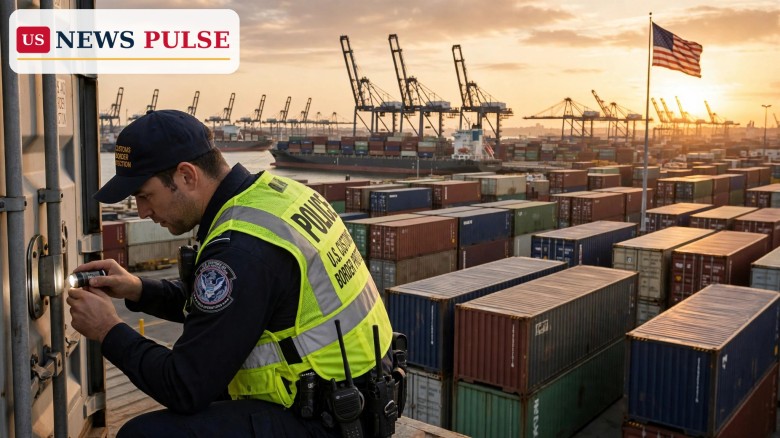
The Trump administration has refunded about $100 billion in tariffs that the Supreme Court struck down earlier this year, US Customs and Border Protection officials say, returning most of the money collected under President Donald Trump’s emergency-powers tariffs to the importers who paid it. The figure, reported on Thursday, November 12, and Friday, November 13, 2026, is the first detailed public accounting of the refunds — and it leaves tens of billions of dollars still in dispute.
The refunds cover duties imposed under the 1977 International Emergency Economic Powers Act (IEEPA), which the Supreme Court ruled in February 2026 that Trump had exceeded his authority in using, after the administration collected about $166 billion.
Key Points
- Customs and Border Protection has refunded about $100 billion in tariffs struck down by the Supreme Court.
- The administration collected $166 billion before the court’s 6-3 ruling in February 2026.
- In a filing on Tuesday, November 11, 2026, CBP said it had returned more than three-quarters of $128.68 billion in potential and certified refunds.
- Class counsel in Freestyle World, Inc. v. United States asked the Court of International Trade on November 11 for automatic refunds to more than 330,000 importers of record.
- The February ruling left industry tariffs on steel, cars and copper intact, and Trump has since imposed new duties under other laws.
What Happened
The figures emerged in a filing made on Tuesday, November 11, 2026, with the US Court of International Trade. In it, Customs and Border Protection disclosed it had returned more than three-quarters of $128.68 billion in tariff revenue earmarked as “potential and certified refunds”, collected under the tariffs the Supreme Court later invalidated.
CBP executive director Brandon Lord told the court certified refunds are “being regularly dispersed,” a sign the programme is now running at scale after months of uncertainty over the largest tariff refund exercise in modern American history. The disclosure came the same day class counsel in Freestyle World, Inc. v. United States sought an order to return the money automatically to more than 330,000 importers of record. The Justice Department is due to answer the complaint by Friday, November 13, and respond to the motion by December 9.
Background: The February Supreme Court Ruling
The refunds trace back to the Supreme Court’s 6-3 decision in February 2026, which held that Trump had exceeded his authority by invoking IEEPA — a 1977 emergency-powers law — to impose sweeping tariffs, including fentanyl-related duties on Canada, Mexico and China and “reciprocal” tariffs on more than 90 countries.
The court found the statute did not authorise tariffs of that scale, raising the question of what would happen to the $166 billion already collected. The justices did not order a refund mechanism, leaving repayment to the lower courts — a gap Justice Brett Kavanaugh flagged in dissent, noting the decision was “silent today about whether, and if so how, the federal government should go about refunding the billions of dollars that it has taken from importers.” In March 2026, the Court of International Trade ruled affected companies should be refunded, the legal basis for the programme now under way.
How the Tariff Refunds Are Being Paid
The programme distinguishes “certified” refunds — claims the government has verified and approved — from “potential” refunds, duties that may be refundable but are not yet fully processed. CBP has now returned more than three-quarters of the $128.68 billion in the combined pool, with certified refunds paid out regularly.
For many importers the process has still been slow and paper-heavy, which is why the Freestyle World lawyers seek an automatic return to all 330,000-plus importers of record, without each business filing a separate claim. The administration has resisted broad automatic refunds. The $100 billion already refunded dwarfs most previous tariff repayments, and the remainder means the programme will run well into next year.
Reactions and Quotes
Lord’s assurance that certified refunds are “being regularly dispersed” is the clearest signal yet that the programme is working at scale, after months in which importers complained of silence about when their money would come back.
The importers’ lawyers argue regular dispersal is not enough, and their motion seeks a court order making refunds automatic for every importer of record, rather than leaving repayment to individual claims many smaller businesses may never file.
Why It Matters
The $100 billion refund is one of the largest repayments of tariff revenue in American history, closing the book, at least in part, on the most ambitious use of emergency trade powers by any modern president. For businesses that paid, it is a direct recovery of costs imposed by tariffs the courts found unlawful; for consumers, it matters because many importers passed the costs on in higher prices.
The case also sets a precedent: any future president considering sweeping tariffs under emergency powers must now reckon with refunding tens of billions of dollars. But the refunds do not end the tariff era: the February ruling left intact industry duties on steel, automobiles and copper under the 1962 Trade Expansion Act, and the administration has moved to rebuild its tariff wall under other laws.
What Happens Next
The court calendar sets the next milestones: the Justice Department must answer the importers’ complaint by Friday, November 13, and respond to the automatic-refund motion by December 9. The Court of International Trade will then decide whether the remaining money goes back automatically to all 330,000 importers, or only to those who file claims.
The administration’s new tariffs face their own legal challenges. Trump has imposed a 10 percent global tariff, later raised to 15 percent, under Section 122 of the Trade Act, plus 10 to 12.5 percent levies announced last month tied to forced labour. On Monday, November 9, 2026, 25 US states — including New York, California, Arizona and Colorado — challenged those duties as a pretext to re-impose the tariffs the Supreme Court struck down.
Frequently Asked Questions
How much has been refunded so far?
About $100 billion, according to Customs officials, disclosed in a filing with the Court of International Trade on November 11, 2026.
How much was collected in the first place?
About $166 billion was collected before the Supreme Court’s 6-3 ruling in February 2026 struck down the IEEPA tariffs.
Who gets a refund?
Importers of record who paid the struck-down IEEPA duties — more than 330,000, according to class counsel in Freestyle World, Inc. v. United States, who seek automatic refunds for all of them.
Are all of Trump’s tariffs gone?
No. The February ruling covered only the IEEPA tariffs. Industry duties on steel, cars and copper under the 1962 Trade Expansion Act remain, and new tariffs have been imposed under Section 122 and other laws.
What happens next in court?
The Justice Department must answer by November 13 and respond to the automatic-refund motion by December 9. The Court of International Trade will then rule on whether refunds go out automatically.
Related coverage: FedEx sued the US government for a full tariff refund after the Supreme Court ruling; Trump threatened to double tariffs on Mexico over migrant caravans heading to Texas; China extended its suspension of the 24% tariff on US imports for two more months.
Leave a Comment