

 | Today's Date:
Congo Ebola Outbreak Tops 12,000 Cases as Fighting Forces Responders Out
The Ebola outbreak in eastern Democratic Republic of Congo has passed 12,000 confirmed cases, with 5,904 people dead, Congo's Ministry of Health said on Thursday, November 26, 2026, as fighting forced emergency responders to flee one of the worst-hit areas. The figures make the outbreak, caused by the rare Bundibugyo virus, the fastest-growing Ebola epidemic in history, with nearly half of all confirmed patients dying. Health teams already stretched by poor roads, armed conflict and community mistrust faced a new blow in Ituri province, where clashes trapped about a dozen responders in a hospital for three days.
Key Points
- Confirmed cases have reached 12,021, with 5,904 deaths, a fatality rate of about 49 percent.
- Declared in May 2026 in Ituri province, it is the fastest-growing Ebola outbreak on record.
- Fighting between the army and CRP rebels in Ituri is disrupting the response; clashes resumed on Thursday in Iga-Barriere, 25 km north of Bunia.
- About a dozen responders, including two WHO staff members, were evacuated to Bunia on Tuesday after three days trapped in a hospital in Akwe.
- The Bundibugyo virus has no approved vaccine or treatment.
What Happened
Ministry of Health data released on Thursday put confirmed infections at 12,021 and deaths at 5,904. The toll is up sharply from the last official update on November 10, which reported 11,042 cases and 5,387 deaths, meaning roughly 1,000 new infections and more than 500 additional deaths in just over two weeks.
The update arrived as the response itself came under fire. Fighting between the Congolese army and rebels of the Convention pour la revolution populaire, known as the CRP, has disrupted work across Ituri province, the epicentre of the outbreak. Clashes resumed on Thursday morning in Iga-Barriere, a mining town about 25 km (15 miles) north of Bunia, the provincial capital.
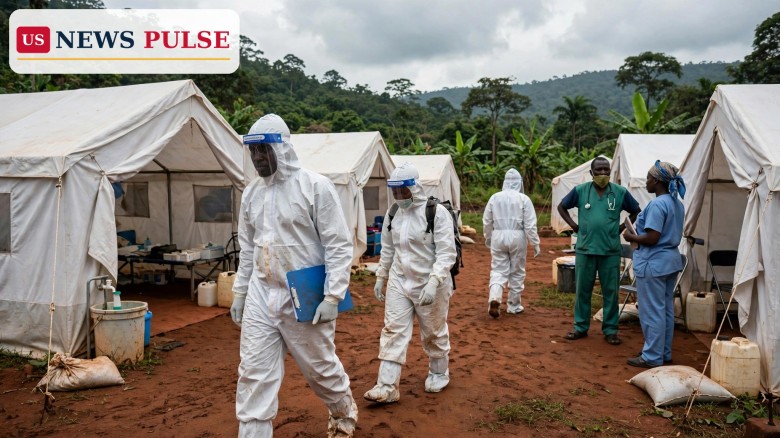
On Tuesday, about a dozen people, including two World Health Organization personnel and Congolese health officials, were evacuated to Bunia after spending three full days trapped in a hospital in Akwe, northeast of the provincial capital, amid intense crossfire. WHO Ebola incident manager Dr Catherine Smallwood described the evacuation on Wednesday.
Background: The Fastest-Growing Ebola Outbreak in History
The outbreak was declared in May 2026 in Ituri province and is caused by the Bundibugyo species of Ebola, a rare form of the virus for which there is no approved vaccine and no approved treatment. That alone sets it apart from the better-known Zaire species, for which vaccines and antibody treatments exist.
The scale is now historic. With 12,021 confirmed cases and 5,904 deaths, the outbreak is the second-largest and second-deadliest Ebola epidemic ever recorded, behind only the 2014-2016 West African epidemic, which caused more than 28,600 infections and more than 11,000 deaths. Eight of Congo's 26 provinces have reported cases, with Ituri accounting for about 70 percent of the total and North Kivu now the main source of new notifications. The WHO declared it a public health emergency of international concern in May, its highest alert level.
Delayed detection, armed conflict and strained health services have sped the spread, and the disease has now been reported in East, Central and West Africa, the widest geographic spread of any Ebola outbreak on the continent. Many deaths have occurred outside treatment centres, where patients arrived too late or never reached care, and response teams also face poor roads and violence from residents fuelled by mistrust and misinformation.
Congo Ebola Outbreak: Fighting in Ituri Puts the Response at Risk
The fighting in Ituri is not a side story to the outbreak; it is now one of the main forces driving it. Contact tracing depends on health workers moving freely through villages and towns. Safe burials, which stop the virus spreading from the bodies of victims, depend on teams reaching families quickly. Both stop when gunfire starts.
The evacuation from Akwe shows how exposed the responders themselves have become. Every day a team is trapped or withdrawn is a day of missed contacts, missed burials and missed cases. In an outbreak growing this fast, a few days of lost surveillance can seed new chains of transmission that take weeks to find.
Reactions
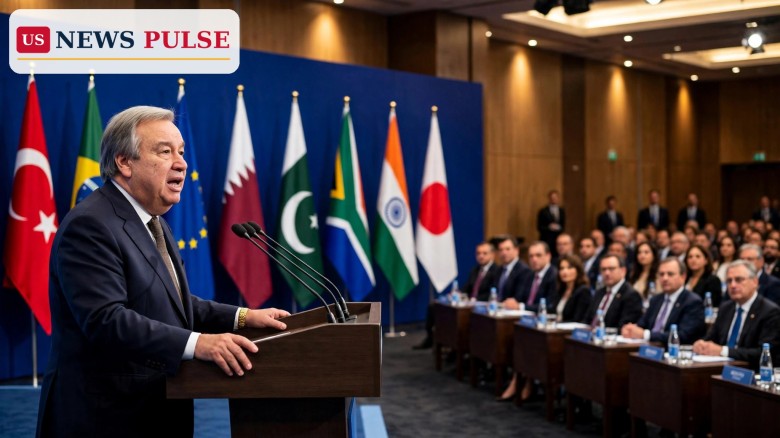
Its incident manager, Dr Catherine Smallwood, described the evacuation of the Akwe team on Wednesday, a day after the responders reached Bunia. The WHO has kept staff in the region through months of fighting, but the three-day siege of a hospital shows the limits of what field teams can endure.
Congo's Ministry of Health released the new totals on Thursday without announcing any change in strategy. No comment has come from the CRP rebels on the fighting around Iga-Barriere or Akwe, and no ceasefire or humanitarian corridor for health workers has been announced.
Why It Matters
The outbreak matters first because of what the virus does. Nearly half of everyone confirmed infected has died, and for the Bundibugyo species there is no vaccine to offer contacts and no approved treatment to offer patients. The only tools are isolation, supportive care, safe burials and contact tracing, and every one of them depends on health workers being able to move and work safely.
It matters second because of the speed. This is the fastest-growing Ebola outbreak in history, and its spread across East, Central and West Africa is the widest of any Ebola epidemic on the continent. An outbreak still adding about 1,000 cases in two weeks does not stay a Congolese problem for long. The 12,021 confirmed cases are only the cases the system managed to find; in a war zone, the true toll is almost certainly higher.
What Happens Next
The immediate question is whether the clashes around Iga-Barriere ease enough for health teams to return to the Akwe area and resume tracing and burials there. A second evacuation, or a longer shutdown of operations in northern Ituri, would leave a large pocket of the outbreak effectively unmonitored.
The next official update from Congo's Ministry of Health will show whether the pace of new cases is holding, quickening or finally slowing. Longer term, the outbreak will test whether the WHO and its partners can sustain a response in an active conflict zone.
Frequently Asked Questions
How many Ebola cases are there in Congo now?
Confirmed cases have reached 12,021, with 5,904 deaths.
Why is this Ebola outbreak so deadly?
It is caused by the Bundibugyo species of Ebola, for which there is no approved vaccine or treatment.
What is disrupting the Ebola response?
Fighting between the Congolese army and CRP rebels in Ituri province, poor roads, and violence from residents fuelled by mistrust and misinformation.
Who was evacuated from Akwe?
About a dozen people, including two World Health Organization staff members and Congolese health officials, after three days trapped in a hospital amid intense crossfire.
How does this outbreak compare with earlier ones?
It is the second-largest and second-deadliest Ebola outbreak on record, behind only the 2014-2016 West African epidemic, and the largest and deadliest ever in Congo.
Related coverage: Congo Ebola Outbreak Tops 11,000 Cases | Congo Ebola Outbreak Passes 10,000 Cases | British Doctor With Ebola Evacuated to London

The US News Pulse newsroom covers breaking news across the United States and the world, working from wire services, official statements and on-the-record sources. Every story is reviewed against our editorial standards before publication. Corrections and tips: info@usnewspulse.com
About our newsroomLeave a Comment