

 | Today's Date:


US Now Tightens Iran Blockade to Target Ship-to-Ship Oil Transfers at Sea
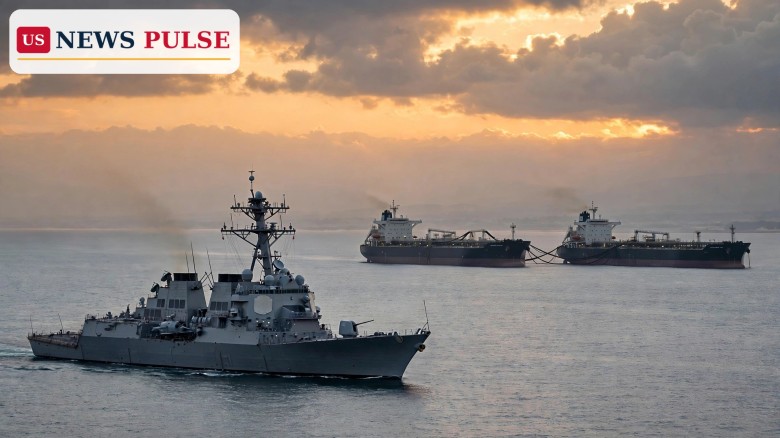
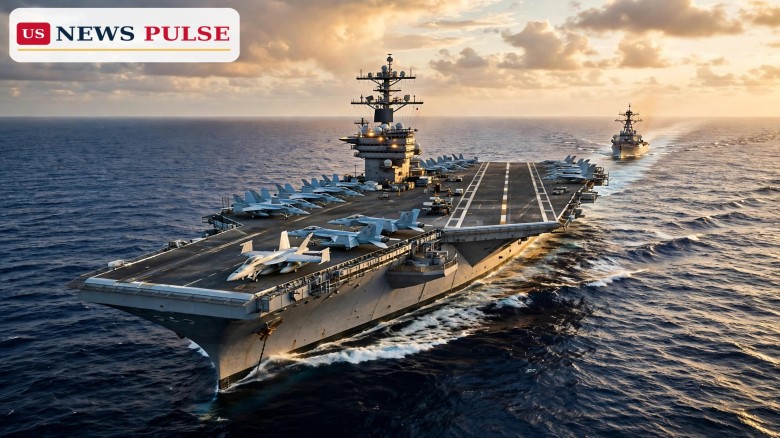
The United States has sharply widened its naval blockade of Iran, warning that any ship receiving cargo through a transfer at sea from a vessel that loaded in Iran can now be stopped, boarded, diverted or seized — even if it never entered Iranian waters. The new rules, in a Central Command advisory issued on Wednesday, November 18, 2026, carry the bluntest warning yet to the shadow fleet keeping Iranian oil moving: ships refusing lawful orders could face enforcement action, "including the use of force consistent with applicable law".
The advisory, Joint Maritime Information Centre Advisory 017-26, was shared through the United Kingdom Maritime Trade Operations system. It closes the blockade's most obvious gap: until now, a tanker could pick up Iranian cargo in the open sea and argue it had never touched Iran.
Key Points
- United States Central Command issued Joint Maritime Information Centre Advisory 017-26 on Wednesday, November 18, 2026, expanding the naval blockade of Iranian ports.
- Any vessel taking cargo through a ship-to-ship transfer from a ship that loaded at an Iranian port or coastline may now be treated as evading the blockade.
- Such ships may be stopped, boarded, diverted, captured, or sent to the Iranian port where the cargo originated; refusal could bring disabling or destructive fire.
- The blockade covers vessels of all flags but is not meant to impede neutral transit through the Strait of Hormuz, and food and medical cargoes may still enter Iran after United States Navy inspection.
- Iran has still exported some liquefied petroleum gas and jet fuel since July, shipping sources say, though crude exports have stayed near a standstill; the threat level remains SEVERE.
What Happened
Central Command framed the advisory as a clarification, but its effect is a major expansion. The key sentence reaches beyond Iranian waters: a ship receiving cargo via a ship-to-ship transfer from a vessel carrying cargo loaded at an Iranian port or coastline "may now be considered to be evading the blockade". The vessel need not have called at an Iranian port or entered Iranian waters. What follows is a ladder of enforcement: boarding, diversion, capture, or an order to sail to the port where the cargo originated. The warning arrived as the war grinds on: NBC News reported this week that the two sides have traded strikes almost daily, most never acknowledged by the Pentagon.
Background: A Blockade Imposed, Lifted and Reimposed
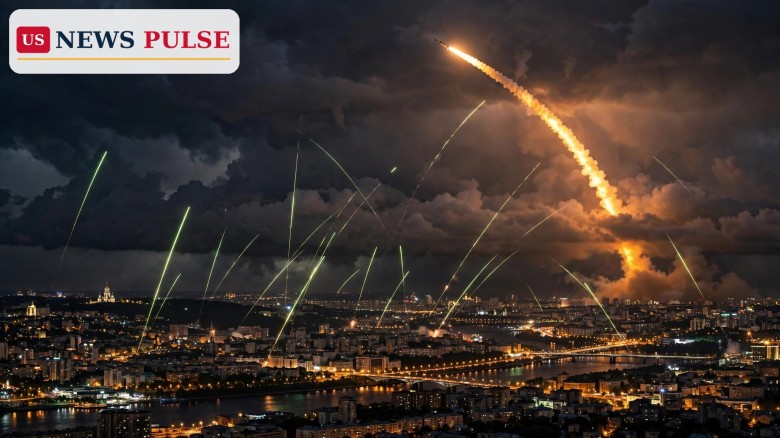
The blockade was first imposed on April 13, 2026, in the early weeks of the war that began with joint American and Israeli strikes on February 28. It was lifted in June and reimposed on July 14. Crude exports have stayed near a standstill for months, but shipping sources say Iran has still exported some liquefied petroleum gas and jet fuel since July. The main channel has been the ship-to-ship transfer: a tanker loads at an Iranian terminal, sails into the Gulf of Oman, and passes its cargo to another vessel, tracking switched off. Gulf exporters pushed crude flows back toward pre-war levels partly through such transfers and "dark crossings". Enforcement has already been muscular: on November 8, American forces disabled the cargo ship M/V Huda in the Gulf of Oman after its crew repeatedly ignored orders, an incident that showed Washington was willing to act against defiant vessels.
US Iran Blockade Ship-to-Ship Transfers: How the New Rules Work
The test is no longer where a ship has been. It is where its cargo came from. If a vessel loaded at an Iranian port or coastline, any ship taking that cargo at sea inherits the blockade's attention and can be stopped, boarded, diverted or captured, or ordered back to the port of origin. Ships must obey lawful orders immediately; hesitation or refusal opens the door to force, named as disabling or destructive fire. Two limits apply: the blockade is not meant to impede neutral transit through the Strait of Hormuz, and humanitarian cargoes — food and medical supplies — may still enter Iran after United States Navy vetting and inspection. For shipping, the calculation has changed: a transfer that once hid a cargo's origin now risks losing the ship itself.
Reactions and Quotes
The advisory itself is the statement that matters most, and its language is unusually blunt. Ships failing to comply immediately with lawful orders could face enforcement action, "including the use of force consistent with applicable law". The move fits the wider war, in which the United States has steadily widened its pressure on Iran while saying little publicly. NBC News reported this week, citing two American officials, that the two sides have exchanged strikes almost daily. "They are carrying out these strikes and not acknowledging them," a person familiar with the operations told NBC.
Why It Matters
The tightening closes the main loophole in the blockade. A blockade covering only ships entering Iranian ports has a hole in it, and the shadow fleet has sailed through that hole for months. By making the cargo's origin the test, the United States has made evasion much harder: every transfer at sea now risks interception, and every owner must decide whether Iranian cargo is worth losing a vessel worth tens of millions of dollars. It also signals Washington expects the conflict to continue and is preparing to squeeze Iran's remaining revenue. And it creates risk: a boarding at sea is dangerous, and a captain who refuses an order can turn a routine interception into a shooting incident in minutes.
What Happens Next
The first test will come in the days ahead, when American warships enforce the new rules against the first tanker caught taking Iranian cargo at sea. How that boarding goes — whether the crew complies, whether the ship is diverted or seized, whether force is used — will set the tone for everything that follows. The second thing to watch is Iran's response: new transfer points, different flags, or a deliberate test of the new rules. The third is diplomacy: the blockade has been a bargaining chip before.
Frequently Asked Questions
What changed in the Iran blockade? The United States expanded its naval blockade so any ship receiving cargo through a ship-to-ship transfer from a vessel that loaded at an Iranian port or coastline may now be treated as evading the blockade, even if it never entered Iranian waters.
Can American forces fire on ships that refuse orders? Yes, according to the advisory: ships failing to comply immediately could face enforcement action, "including the use of force consistent with applicable law", even disabling or destructive fire.
Does the blockade close the Strait of Hormuz? No. The blockade is not meant to impede neutral transit through the strait to or from non-Iranian destinations, and it applies only to vessels connected with Iranian cargo.
Can food and medicine still reach Iran? Yes. Humanitarian cargoes such as food and medical supplies may still enter Iran, but only after United States Navy vetting and inspection.
Has Iran's oil trade stopped under the blockade? Not entirely. Crude exports have remained near a standstill for months, but shipping sources say Iran has still exported some liquefied petroleum gas and jet fuel since July — which is why the new rules target ship-to-ship transfers.

The US News Pulse newsroom covers breaking news across the United States and the world, working from wire services, official statements and on-the-record sources. Every story is reviewed against our editorial standards before publication. Corrections and tips: info@usnewspulse.com
About our newsroomLeave a Comment