


 | Today's Date:

Court Blocks DOJ Demand for Journalists' LinkedIn Records in Leak Probe
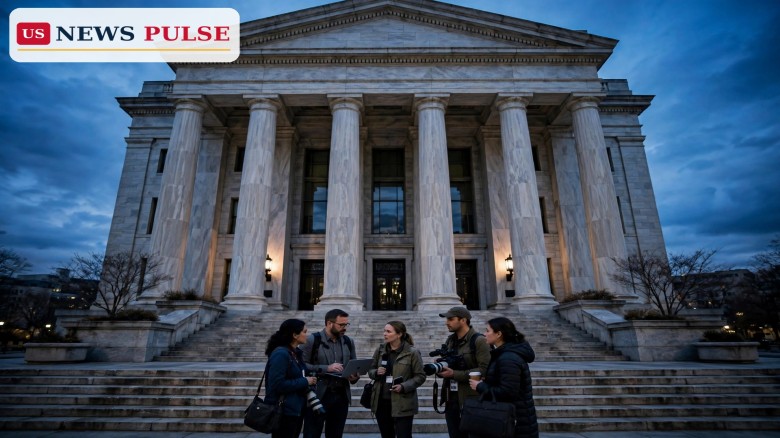
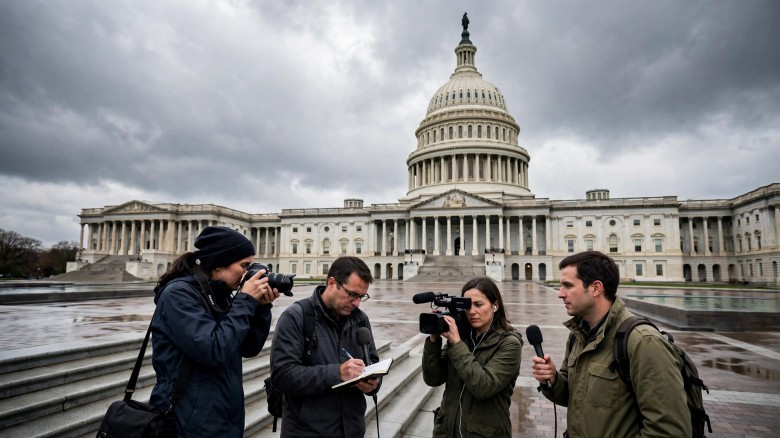
A federal appeals court on Tuesday blocked the Justice Department's demand for 18 months of journalists' LinkedIn records in a national-security leak investigation, calling the order "substantially overbroad". The unanimous 4th Circuit panel said the request would have exposed the private contacts of six journalists and unmasked confidential sources with no link to the leak. It is a major press-freedom win, although the court refused to quash the order.
Key Points
- A unanimous three-judge panel of the 4th US Circuit Court of Appeals ruled on Tuesday, November 10, 2026, that the Justice Department's demand for journalists' LinkedIn records was "substantially overbroad".
- The department sought 18 months of LinkedIn metadata from six journalists, about 1,900 interactions, though not message content.
- The journalists published nearly 1,000 articles in those 18 months, and fewer than 5% appeared related to the leak under investigation.
- Judge J. Harvie Wilkinson III wrote the opinion, joined by Judges James Andrew Wynn and Nicole G. Berner.
- The panel refused to quash the order and ordered the one-year gag order revisited.
What Happened
The Justice Department issued its demands to LinkedIn in November 2025, after an unidentified news organisation published classified details of a top-secret US military operation abroad. Investigators wanted 18 months of metadata from six journalists, covering every person they messaged on LinkedIn. It did not seek message content, but metadata alone would have shown who the reporters spoke to, and when. LinkedIn challenged the demands in the Eastern District of Virginia, where District Judge Elizabeth Hanes ruled for the Trump administration in June 2026. LinkedIn appealed to the 4th Circuit in Richmond. On Tuesday, the panel ruled unanimously for LinkedIn in part, holding that the order reached far beyond anything the leak investigation could justify. It sent the case back to narrow the order. The ruling does not name the news organisation or the journalists, and the leak investigation continues.
Background and Context
The case pits two powerful interests against each other: the government's drive to find a leak of classified military information, and the press's need to protect the confidential sources who make national-security reporting possible. The Justice Department argued the LinkedIn records were a reasonable way to identify the leaker, but the scope was the problem: in 18 months the six journalists published nearly 1,000 articles, fewer than 5% related to the leak, so the order would have exposed sources for hundreds of unrelated stories. The case also comes amid broader tension between the Trump administration and the press: a senior official was recently reported to have backed arresting journalists to force them to reveal sources. See the official said to have backed arresting journalists to force source names. Appeals courts have drawn similar lines before: the Ninth Circuit recently blocked California disclosure laws on First Amendment grounds, as in our coverage of the Ninth Circuit's First Amendment ruling.
Journalists' LinkedIn Records: Why the Court Called the Order Overbroad
The panel's reasoning turned on proportionality. Judge Wilkinson, a Reagan appointee, wrote that scooping up reporters' records wholesale to identify sources "would tip the balance against informed discourse in a manner inimical to democratic health". The demand was not aimed at the leak alone: the journalists had published nearly 1,000 articles in 18 months and fewer than 5% touched the leaked operation, so the order would have handed investigators a map of nearly every confidential source the reporters spoke to. The panel said the government has a legitimate interest in finding the leaker, and rejected LinkedIn's request to quash the order, holding that the government is "entitled to discovery to the full extent permitted by law". But the court drew a firm line: the investigation must be tailored to the leak, not built on a dragnet of reporters' contacts, so the Justice Department must now return with a far more targeted request if it wants the records.
Reactions and Quotes
Judge Wilkinson's opinion carried the ruling's sharpest language: scooping up reporters' records wholesale to identify sources "would tip the balance against informed discourse in a manner inimical to democratic health", a line press-freedom advocates will quote for years. The panel's makeup added weight: Wilkinson, a Reagan appointee, was joined by Judge James Andrew Wynn, an Obama appointee, and Judge Nicole G. Berner, a Biden appointee, in a unanimous, cross-ideological rebuke. The court was also clear the government had not lost: it is "entitled to discovery to the full extent permitted by law", leaving the door open to a narrower demand. The panel also ordered the one-year gag order revisited: it had barred LinkedIn from telling the news organisation about the demands, and the court said the company should be allowed to tell a vetted attorney.
Why It Matters
The ruling matters for three reasons. First, it limits how far the government can go in using tech platforms to hunt for a leak. Metadata may not be message content, but for a reporter it can be just as revealing: it shows who talks to whom and when, and that alone can identify a source. Second, it protects reporting that depends on confidential sources: exposing their entire contact history would chill sources across all their work, not just the leaked story. Third, the unanimous, cross-ideological panel gives the ruling unusual force: judges appointed by three different presidents agreeing an order goes too far sends a clear signal to prosecutors. The same kind of demand could target lawyers, doctors or activists, and the court's insistence on a narrow order will be cited beyond press cases.
What Happens Next
The case now returns to the Eastern District of Virginia, where Judge Hanes must narrow the order as the 4th Circuit instructed. The Justice Department must decide whether to return with a more targeted request, or pursue the leak through other means. LinkedIn may also tell a vetted attorney for the news organisation about the demands, now that the gag order must be revisited, which could bring the organisation into the fight over any narrowed order. For now, the six journalists' LinkedIn records stay out of the government's hands.
Frequently Asked Questions
What did the appeals court decide about the DOJ's LinkedIn demand?
A unanimous three-judge panel of the 4th US Circuit Court of Appeals ruled on November 10, 2026, that the demand was "substantially overbroad", and sent the case back to narrow the order.
What records did the Justice Department want?
It sought 18 months of LinkedIn metadata from six journalists, about 1,900 interactions, though not message content, in a leak inquiry into classified details of a top-secret US military operation.
Who wrote the appeals court opinion?
Judge J. Harvie Wilkinson III, a Reagan appointee, wrote it, joined by Judges James Andrew Wynn, an Obama appointee, and Nicole G. Berner, a Biden appointee.
Did the court throw out the order entirely?
No. The panel rejected LinkedIn's request to quash the order, saying the government is "entitled to discovery to the full extent permitted by law", and may still pursue the inquiry with a properly narrowed demand.
What happens to the gag order on LinkedIn?
The panel ordered the one-year gag order revisited, letting LinkedIn tell the news organisation about the demands through a vetted attorney.
Leave a Comment