


 | Today's Date:



Harmeet Dhillon Resigns as Justice Department Civil Rights Chief After Midterms
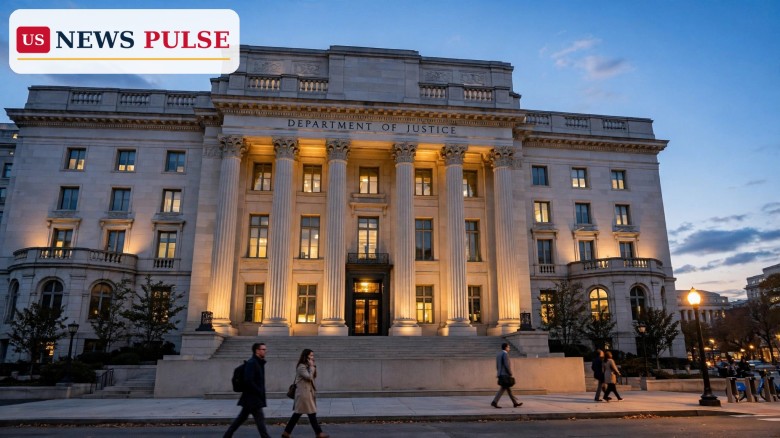
Harmeet Dhillon, who has led the Justice Department's Civil Rights Division since April 2025, resigned on Thursday, November 5, 2026, becoming the first senior department official to leave the Trump administration since Democrats retook the House and Senate in the midterms two days earlier. Attorney General Todd Blanche announced on X that he had accepted her resignation, saying she had "defended the civil liberties of every American and enforced the law without fear or favor." No successor has been named.
Key Points
- Dhillon led the Civil Rights Division from April 2025 until her resignation on Thursday, November 5, 2026.
- She is the first senior Justice Department official to leave since Democrats won both chambers of Congress on November 3.
- Under Dhillon, the division shifted from discrimination and police cases to gun rights, campus antisemitism, racial preferences, religious liberty, and voter rolls.
- About 300 of its roughly 400 lawyers — around 75 percent — left in the first seven months, Dhillon herself said.
- The division oversaw about 1,000 federal election monitors in all 50 states on Election Day, the largest effort ever.
What Happened
Blanche announced the resignation on Thursday, November 5, 2026, two days after the midterm elections in which Democrats retook the House and Senate. In his post on X, the attorney general said he had accepted Dhillon's resignation and praised her tenure, crediting her with defending "the civil liberties of every American" and enforcing "the law without fear or favor."
Dhillon's departure is the first major resignation from the Justice Department since the Republican losses, and the first senior departure from the Trump administration as a whole since the midterms. It comes at the start of a lame-duck period in which outgoing Republican majorities will give way to Democratic control of both chambers in January, with the oversight and subpoena powers that come with it. No reason for the resignation was given.
Background: The Division Dhillon Inherited
Dhillon took over the Civil Rights Division in April 2025, at the start of President Donald Trump's second term. The division is the Justice Department's main civil rights enforcement arm, responsible for voting rights, discrimination in employment, housing and education, and investigations into police departments accused of patterns of misconduct.
Under previous administrations, its most visible work was bringing cases against racial discrimination and investigating local police forces. Dhillon moved quickly to reorder those priorities, redirecting the division toward gun rights, antisemitism on university campuses, racial preferences in hiring and admissions, religious liberty, and voter rolls. The change came with a sharp fall in staffing: Dhillon said on a Breitbart News podcast in August 2025 that about 75 percent of the division's lawyers — about 300 of 400 — had left in the first seven months.
Harmeet Dhillon Resigns After Remaking the Civil Rights Division
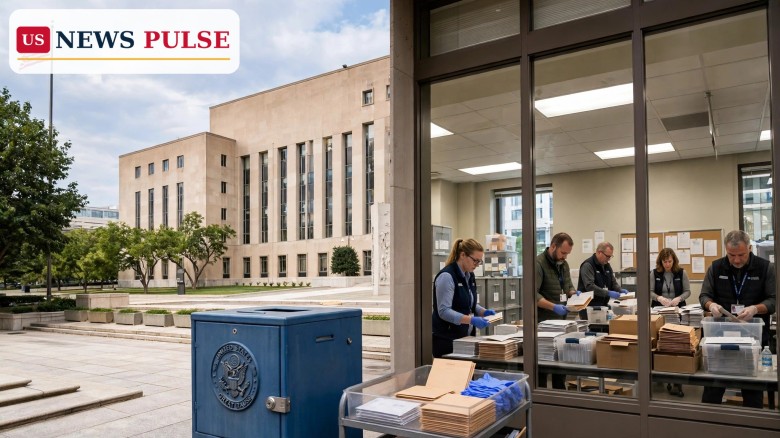
The division's most public recent assignment was election monitoring. On Election Day, November 3, 2026, the Justice Department deployed about 1,000 monitors and observers to polling places in all 50 states, its largest monitoring effort ever. The department later said no FBI or ICE agents would serve as monitors.
Dhillon's tenure also coincided with a more confrontational posture toward states and local election officials. The department sent letters to election officials in all 50 states warning of criminal penalties for failing to preserve ballots and other election records, and it demanded voter registration data from states. Those moves drew lawsuits from civil rights groups and sharp criticism from Democrats and voting rights advocates.
Reactions and Quotes
Attorney General Todd Blanche was the first senior official to comment publicly, announcing the resignation on X and praising Dhillon's service. "She defended the civil liberties of every American and enforced the law without fear or favor," Blanche wrote, framing her tenure as a success rather than a retreat. Dhillon herself has not yet made a public statement.
Her own earlier words give some sense of how she viewed the job. In August 2025, she told a Breitbart News podcast that about 300 of the division's roughly 400 lawyers had departed in the first seven months — a figure she presented as a consequence of the division's new direction rather than a problem to be solved. Democrats, who take control of the House and Senate in January, are expected to use their oversight powers to examine the Justice Department's election-related actions.
Why It Matters
Dhillon's resignation matters because it removes, at a sensitive moment, the official who designed and ran the administration's remaking of federal civil rights enforcement. The division she leaves behind is smaller, differently focused, and closely associated with the administration's most contested election policies.
A new Congress controlled by Democrats will have the power to call Justice Department officials to testify and to demand documents about the division's work, including its election monitoring and its demands for state voter data. Whoever succeeds Dhillon will inherit a much-reduced career staff and an incoming Congress likely to challenge the division's priorities at every turn.
What Happens Next
The White House and the Justice Department have not said who will lead the Civil Rights Division next, or whether an acting chief will be named in the meantime. Any permanent successor would need Senate confirmation — and from January, that Senate will be controlled by Democrats, which could make confirmation of a like-minded successor difficult.
Dhillon is expected to return to private practice at The Dhillon Law Group, the firm she founded, as she had previously indicated she intended to do. Her departure leaves the division's leadership open just as the department faces legal challenges to its election-related actions and prepares for Democratic oversight hearings in the new Congress.
Frequently Asked Questions
Who is Harmeet Dhillon?
Harmeet Dhillon is a lawyer who led the Justice Department's Civil Rights Division from April 2025 until her resignation on November 5, 2026.
Why did Harmeet Dhillon resign?
No reason was given. Attorney General Todd Blanche said he had accepted her resignation and praised her work.
What did Dhillon change at the Civil Rights Division?
She shifted its focus from discrimination and police investigations to gun rights, campus antisemitism, racial preferences, religious liberty, and voter rolls.
Who will replace Harmeet Dhillon?
No successor has been named. Any permanent replacement would need Senate confirmation, and Democrats will control the Senate from January 2027.
What was the division's role in the 2026 midterms?
It oversaw about 1,000 federal election monitors in all 50 states on Election Day, November 3, 2026 — the largest monitoring effort in the department's history.
Related coverage: the Justice Department's deployment of about 1,000 election monitors to all 50 states, and the Election Day warning from Homeland Security Secretary Markwayne Mullin.
Leave a Comment