


 | Today's Date:




France Blood Plasma Cyberattack Tried to Heat Stores to 110C, Alarms Saved Supply
A cyberattack on a refrigeration supplier tried to turn France's frozen blood plasma stores from minus 30 degrees Celsius to as high as 110 degrees, in an attack that could have destroyed vital medical supplies. Alarms sounded in time, staff moved the plasma to safety, and not a single bag was lost. The France blood plasma cyberattack hit three cold-storage sites of the national blood service on Monday, November 2, 2026, and is now under investigation by France's cybersecurity agency.
Key Points
- A cyberattack hit three cold-storage sites of France's national blood service, the Établissement Français du Sang, on Monday, November 2, 2026.
- Attackers tried to reset storage temperatures normally held at minus 30C to as high as 110C, Le Canard Enchaîné first reported.
- Alarms detected the anomaly quickly, staff moved the plasma to safety, and no blood products were compromised.
- The stores held plasma for transfusions and for manufacturing medicines; collection and distribution continued without interruption.
- France's cybersecurity agency ANSSI and the Health Ministry are investigating; no one has been blamed yet.
What Happened
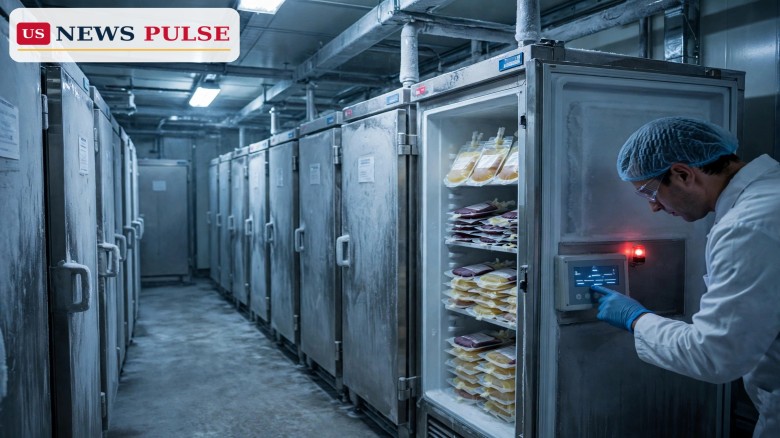
The attack did not strike the blood service directly. It hit refrigeration supplier Coolworld, whose systems control cold-storage units at three sites run by the Établissement Français du Sang, known as EFS. The attackers changed temperature and defrosting thresholds, pushing settings that normally hold plasma at minus 30C towards extremes of up to 110C, a swing that would have ruined the frozen stock had it gone unnoticed.
It did not go unnoticed. EFS alarms picked up the anomaly quickly, staff moved the stock to safe storage, and the service said no blood products or samples were compromised, there were no health consequences, and no blood was lost. Collection and distribution carried on without interruption. Le Canard Enchaîné first reported the incident; Coolworld said it was aware of it, and EFS stressed it was not the direct target.
Background and Context
France's national blood service collects, tests, processes and distributes blood products nationwide, and plasma is one of its most sensitive stocks. Plasma, the pale liquid carrying blood cells, is frozen for storage and must stay at very low temperatures to remain usable. Some goes to hospitals for transfusions; the rest is processed into medicines for immune deficiencies, bleeding disorders and other serious conditions. Losing frozen plasma would hit both emergency care and the supply of manufactured medicines.
That is what makes the temperature figures so alarming: plasma at minus 30C heated towards 110C would be destroyed outright, and the damage would stay invisible until the bags were opened. The attack relied on that delay. The alarms broke the plan. The incident also fits a pattern spreading across Europe: in October, supermarkets in Belgium, Luxembourg, Sweden, Finland, Ireland, Estonia, the Netherlands, Portugal and Romania reported spoiled food after refrigeration attacks, hundreds of French stores were affected, and the UK meat industry was hit on Tuesday, November 4.
France Blood Plasma Cyberattack: How the Alarms Saved the Supply
The decisive factor was not the attack but the defence. Monitoring flagged the temperature change fast enough for staff to intervene, and moving the plasma to safe storage worked exactly as designed. Experts stress no system can be made unhackable; the real test is how quickly an intrusion is spotted and contained. On that measure, the French blood service passed: the anomaly was caught, the stock was saved, and the service kept running.
The attack also exposes a weak point in modern healthcare. Hospitals and blood services depend on outside suppliers for refrigeration, software and remote monitoring, and an attacker who compromises a supplier can reach many customers at once. Securing the supplier, not only the end user, is now a central question for investigators, and one reason ANSSI, France's national cybersecurity agency, is involved alongside the Health Ministry.
Reactions and Quotes
The blood service moved quickly to reassure the public, saying no blood products or samples were compromised, there were no health consequences, and no blood was lost. Collection and distribution continued uninterrupted. The emphasis was deliberate: in a story about blood supplies, the first question is whether donations and transfusions are safe, and the answer was that they are.
Coolworld said it was aware of the incident, while the blood service stressed it was not the direct target. Neither has named a suspect, and investigators have not blamed any group or country. The Health Ministry is working with ANSSI, and officials have not said when they expect to identify who was behind the intrusion.
Why It Matters
This attack matters because it targeted something most people assume is untouchable: the blood supply. A successful attack would not have made headlines through stolen data or a ransom demand, but through empty shelves in hospitals and a gap in plasma-made medicines. That nothing was lost does not make the attempt less serious; it shows attackers will now go after medical cold chains, where harm is physical and delayed.
It also matters as a warning to Europe. The same refrigeration wave has spoiled food in supermarkets across nine countries and disrupted Britain's meat industry. If the same methods can reach a national blood service through its supplier, other health systems relying on connected refrigeration will review their defences, from temperature monitoring to the security of their maintenance firms.
What Happens Next
ANSSI and the Health Ministry will now try to establish how the attackers entered the supplier's systems, whether other customers were affected, and who was responsible. No timeline has been given and no suspect named. The blood service is expected to review its supplier arrangements and monitoring, and other French health bodies will likely check their own cold-storage defences. Investigators will also look for a common entry point and motive across the supermarket, meat industry and blood service incidents.
Frequently Asked Questions
What happened in the France blood plasma cyberattack? On Monday, November 2, 2026, attackers hit a refrigeration supplier and tried to reset temperatures at three cold-storage sites of France's national blood service from minus 30C to as high as 110C.
Was any blood or plasma lost? No. Alarms detected the change quickly, staff moved the plasma to safety, and the blood service said no blood products were compromised and no blood was lost.
Who was attacked? The direct target was refrigeration company Coolworld, a supplier to the Établissement Français du Sang. The blood service said it was not the direct target.
Who is investigating? France's national cybersecurity agency ANSSI and the Health Ministry. No one has been blamed yet.
Is this part of a wider pattern? Yes. Supermarkets in nine European countries reported spoiled food after refrigeration attacks in October, and the UK meat industry was hit on November 4.
Read more: Binance hack drains $5.7 billion in largest crypto heist ever reported; FBI blames North Korea for $6.3 billion Binance hack in record crypto heist; and Chainalysis breach exposes customer names and emails in AI agent attack.
Leave a Comment