

 | Today's Date:


Nvidia AI Chips Let Russian Drones Pick Targets on Their Own, NYT Finds
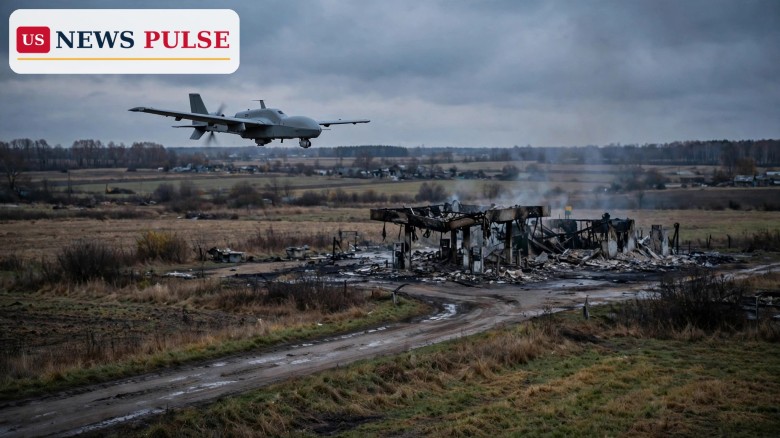
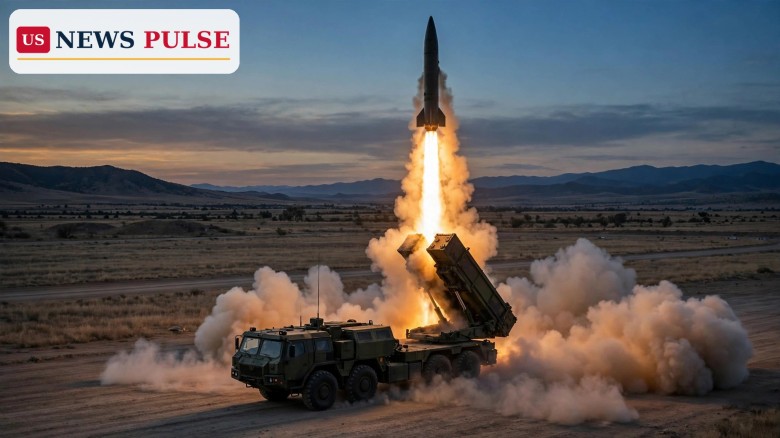
Russian strike drones are killing civilians in Ukraine with American artificial intelligence hardware on board, according to a New York Times investigation published on Monday, November 24, 2026. Ukrainian military specialists who examined the wreckage of downed Russian weapons found Nvidia Jetson Orin AI computing modules inside at least four types of strike systems, including fixed-wing drones able to choose their own targets without a human giving the order. The findings put Nvidia, the world's most valuable chipmaker, at the centre of an investigation into how Western technology keeps reaching Russia's weapons despite sweeping export controls. The company says it does not sell the modules in Russia and complies with the restrictions.
Key Points
- Ukrainian specialists found Nvidia Jetson Orin modules in four Russian strike weapons: Molniya and V2U attack drones, an upgraded Shahed-136, and the S-71M Monochrome cruise missile.
- Molniya drones tested near Zaporizhzhia in May-July 2026 could independently select the object to strike, with no human confirmation.
- On July 6, 2026, a Molniya drone hit a petrol station in Zaporizhzhia, killing three civilians; the targeting decision was apparently made on board.
- Forensic experts recovered an unencrypted Jetson Orin module carrying code trained to recognise gas stations and propane tanks.
- Nvidia confirmed the processors belong to its Jetson Orin family but said it does not sell the modules in Russia.
What Happened
The investigation draws on technical examinations by Ukrainian specialists of Russian weapons recovered across the front. The most advanced use of the technology was found in Molniya fixed-wing drones tested in the Zaporizhzhia area between May and July 2026. According to the specialists, those drones could independently select the specific object to strike, without a human operator confirming the choice.
The human cost is already documented. On July 6, 2026, a Molniya drone attacked a petrol station in Zaporizhzhia, killing three civilians. Investigators concluded that the targeting decision was apparently made on board the drone. Forensic experts later recovered an unencrypted Jetson Orin module from the wreckage, carrying code trained to recognise gas stations and propane tanks. The same modules turned up in the V2U attack drone, which uses a Chinese-made Leetop A203 carrier board and can carry a warhead of up to 3.5 kilograms, and in the S-71M Monochrome air-launched cruise missile, identified by Ukraine's Defence Intelligence on August 12, 2026.
Background and Context
The Jetson Orin is not a military product. It is a compact, commercially available computing module that Nvidia sells for robotics, edge computing, education and research, a device meant for students, developers and start-ups building machines that can see and react to the world around them. That ordinariness is what makes it useful to a weapons programme: it is powerful, small and cheap, and it runs the same image-recognition software used in robotics.
The discovery lands in the middle of a long struggle over export controls. Since Russia's full-scale invasion of Ukraine in 2022, the United States and its allies have barred the sale of advanced chips to Russia, and Washington has steadily widened the net, closing a cloud-services loophole for AI chips and blacklisting firms linked to a smuggling network. Ukrainian forensic teams have catalogued foreign-made parts pulled from downed missiles and drones throughout the war, and their findings show export bans are only as strong as the smuggling routes they must block.
Nvidia AI Chips in Russian Drones: What the Evidence Shows
The evidence rests on hardware, not on claims. Ukrainian specialists recovered the modules from wrecked weapons and identified them by their markings and design, and Nvidia itself confirmed to the New York Times that the processors visible in photographs of the recovered Russian weapons belong to its Jetson Orin product family. One recovered module was unencrypted and carried software trained to recognise gas stations and propane tanks, matching the civilian target struck in Zaporizhzhia on July 6. Gamers Nexus reported on November 16, 2026, that it had received Jetson modules harvested from downed Russian drones, including Zala reconnaissance drones and Lancet loitering munitions.
Reactions and Statements
Nvidia responded to the New York Times by confirming the identification of its hardware while distancing itself from the end use. The company said the processors in the photographs belong to its Jetson Orin product family, and described the commercial modules as designed for students, developers, start-ups and robotics. It said it does not sell Jetson Orin modules in Russia and that it complies with export restrictions.
Ukraine's Defence Intelligence has treated the findings as evidence to be catalogued and shared with Western partners. Its August identification of the S-71M Monochrome, complete with component markings, is part of a standing Ukrainian effort to document the foreign technology inside Russian weapons and to press the countries that make it to tighten enforcement. Washington has not commented publicly on this investigation.
Why It Matters
The most urgent issue is the one the Zaporizhzhia petrol station makes concrete. A drone that selects its own target can strike a civilian site without a human ever weighing the decision, and the July 6 attack shows that the result can be deadly. International humanitarian law requires attackers to distinguish between military objectives and civilians, and a weapon that makes that distinction by itself raises questions no export-control debate can answer on its own.
The findings also expose a gap in the West's technology controls. If a mass-produced commercial module can be fitted into a cruise missile and a one-way attack drone, then the line between civilian and military technology is thinner than the regulations assume. For Nvidia, the stakes are reputational: being named, even as an unwilling supplier, in the wreckage of weapons that killed civilians is likely to bring fresh scrutiny of where its products go after they are sold.
What Happens Next
Ukrainian forensic teams will keep pulling modules from wrecked drones and missiles, and each new recovery adds to the record that Kyiv shares with Washington and its European allies. The United States is expected to examine whether the modules passed through intermediaries already on its radar.
Frequently Asked Questions
What is the Nvidia Jetson Orin? It is a compact, commercially available AI computing module made by Nvidia for robotics, education and research.
How did Nvidia chips end up in Russian drones? That is still under investigation. Nvidia says it does not sell Jetson Orin modules in Russia and complies with export restrictions. They most likely reached Russia through third countries, intermediaries or smuggling networks.
Did the drones really choose their own targets? Ukrainian specialists say Molniya drones tested near Zaporizhzhia in May-July 2026 could independently select the object to strike without human confirmation.
Is using such drones a war crime? International humanitarian law forbids attacks on civilians. Whether a specific strike is a war crime is for investigators and courts to determine.
What is the US doing about chip smuggling? Washington has steadily tightened export controls, closing a cloud-services loophole for AI chips and blacklisting firms linked to smuggling networks.
Read more: Huawei convicted on 10 of 12 counts in US trial over trade secrets and Iran | US blacklists Alibaba-owned Apex in AI-chip crackdown on Megaspeed network | US closes AI-chip cloud loophole with new export rule targeting China

The US News Pulse newsroom covers breaking news across the United States and the world, working from wire services, official statements and on-the-record sources. Every story is reviewed against our editorial standards before publication. Corrections and tips: info@usnewspulse.com
About our newsroomLeave a Comment