

 | Today's Date:





Hegseth Yet to Approve 60 Patriot Interceptors for Ukraine: FT - US News Pulse
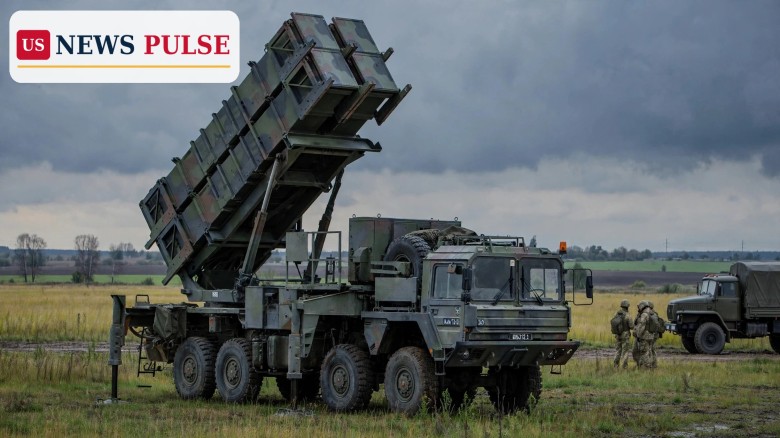
US Defence Secretary Pete Hegseth has yet to approve the transfer of about 60 Patriot interceptors already allocated to Ukraine, the Financial Times reported on Tuesday, leaving Kyiv waiting for air-defence missiles it urgently needs as Russia steps up its missile and drone attacks. The interceptors — PAC-3 missiles and about 20 older PAC-2s — were due for delivery between September and December 2026, but none has been approved for transfer, people familiar with the matter told the paper. A separate plan to let Ukraine produce its own Patriot interceptors has also stalled at the Pentagon.
Key Points
- Hegseth has not yet approved the transfer of about 60 Patriot interceptors already allocated to Ukraine, the FT reports.
- The batch includes PAC-3 missiles due in September-December 2026 and about 20 older PAC-2 interceptors.
- Some are held in European arsenals and financed by Kyiv's allies.
- A plan for Ukraine to produce its own Patriot interceptors has also stalled at the Pentagon.
- The Pentagon told the FT US policy on Ukraine support is unchanged; Reuters could not immediately verify the report.
What Happened
The Financial Times reported on Tuesday, November 24, 2026, citing people familiar with the matter, that the Pentagon has not signed off on the transfer of roughly 60 Patriot interceptors Washington had already agreed to supply to Ukraine. The US-made PAC-3 and PAC-2 missiles are partly held in European arsenals and paid for by Kyiv's Western allies.
The PAC-3 interceptors were due between September and December 2026, a window now closing without a single shipment approved. A further 20 or so PAC-2 interceptors — an older Patriot variant — have also been allocated to Ukraine but are still awaiting approval.
The report also says a separate effort to let Ukraine produce its own Patriot interceptors has been delayed at the Pentagon. Reuters said it could not immediately verify the report. A spokesperson told the Financial Times there had been no change in US policy regarding support for Ukraine.
Background: Ukraine's Air-Defence Shortage
Ukraine has repeatedly said it urgently needs more interceptors. In late October, President Volodymyr Zelenskyy said Kyiv had waited nearly a month for Hegseth's sign-off, receiving about 12 interceptors a month in 2026 against roughly 150 Russian ballistic missiles a month.
The shortage showed up in the interception figures. On November 7, Russia fired 36 ballistic missiles at Kyiv and its region, and Ukraine intercepted only four — about 11 per cent. Zelenskyy said preliminary examinations showed the strike on a key energy facility used North Korean-made KN-23 missiles, and he urged Washington to increase its flagging aid as Russia systematically targets energy infrastructure ahead of winter.
The wider stockpile picture is just as tight. A Government Accountability Office report released on November 19 found the Pentagon has no plan to replenish depleted stockpiles, and that the US has fewer than 1,700 Patriot interceptors left after expending more than 1,500 in the war with Iran. Only about 600 were produced in 2025, and each advanced interceptor takes roughly two years to build.
This is not the same deal approved last month. On October 30, the US State Department approved a possible $2.1 billion sale of 500 PAC-3 missiles to Ukraine, funded by partners including Canada, Germany and Norway, with deliveries not expected until the early 2030s. The 60 interceptors at issue now are a separate batch due this year.
The Patriot Interceptors Ukraine Is Waiting For
The Patriot system is Ukraine's most capable defence against ballistic missiles. The PAC-3 is a hit-to-kill missile designed to destroy incoming ballistic missiles such as Russia's Iskander and Kinzhal, and the North Korean KN-23s now appearing over Kyiv. The older PAC-2 uses a blast-fragmentation warhead and is less effective against fast ballistic targets, but remains valuable against cruise missiles and aircraft.
Ukraine fires these missiles faster than they are supplied: every large Russian barrage can consume dozens in a single night. The 60 held up would cover roughly five months at the rate Zelenskyy cited in October. Some are held in European arsenals and financed by Kyiv's allies, so the hold frustrates partners who have already paid.
Reactions and Quotes
The Pentagon's public response was brief. A spokesperson told the Financial Times there had been no change in US policy regarding support for Ukraine, without addressing the approvals or explaining the delay. The Pentagon did not immediately respond to Reuters.
Kyiv has not commented directly on the report, but Zelenskyy has said Ukraine waited nearly a month for Hegseth's sign-off, and after the November 7 barrage he urged Washington to increase its aid, pointing to the 11 per cent interception rate as evidence of an acute shortage. The question in Kyiv and European capitals is whether the Pentagon's assurance will be followed by approvals that turn policy into missiles.
Why It Matters
It matters because air defence is the difference between a missile shot down and one that hits a power station, a hospital or a home. Ukraine's interception rate has already fallen sharply — four of 36 ballistic missiles on November 7 — and every interceptor held back is one fewer missile stopped over Kyiv, Kharkiv or Odesa this winter.
It also matters for the alliance and for the credibility of the separate $2.1 billion sale approved in October: if missiles already allocated cannot be delivered this year, allies will ask what a sale with deliveries in the early 2030s is worth. And the delay is unexplained — the Pentagon says policy has not changed, yet the approvals have not been given.
What Happens Next
The first test is whether the approvals come before the December delivery window closes. If Hegseth signs off in the coming days, the missiles can still reach Ukraine before the end of the year, in time for the worst of the winter bombardment. If the hold continues, deliveries will slip into 2026 — or beyond.
The second question is the production plan: letting Ukraine build its own interceptors would change the arithmetic of the war. The third is political — Congress, which has already clashed with the Pentagon over Ukraine aid, is likely to ask why missiles that were allocated and paid for have not been delivered.
Frequently Asked Questions
How many Patriot interceptors are held up? About 60, the FT reports — PAC-3 missiles due in September-December 2026, plus about 20 older PAC-2 interceptors.
Who has to approve the transfer? US Defence Secretary Pete Hegseth. The report says he has yet to approve the transfer of the already-allocated missiles.
Is this the same as the $2.1 billion Patriot sale? No. That sale covers 500 PAC-3 missiles funded by allies, with deliveries not expected until the early 2030s. The 60 interceptors are a separate batch due this year.
What did the Pentagon say? A spokesperson told the FT there had been no change in US policy on support for Ukraine. The Pentagon did not immediately respond to Reuters.
Why does Ukraine need the interceptors now? Russia is attacking energy infrastructure ahead of winter, and Ukraine intercepted only four of 36 ballistic missiles fired at Kyiv on November 7 — about 11 per cent.

The US News Pulse newsroom covers breaking news across the United States and the world, working from wire services, official statements and on-the-record sources. Every story is reviewed against our editorial standards before publication. Corrections and tips: info@usnewspulse.com
About our newsroomLeave a Comment