


 | Today's Date:

Venezuela Oil Deal: Pentagon Takes 35% Stake in Biggest Oil Deal in History
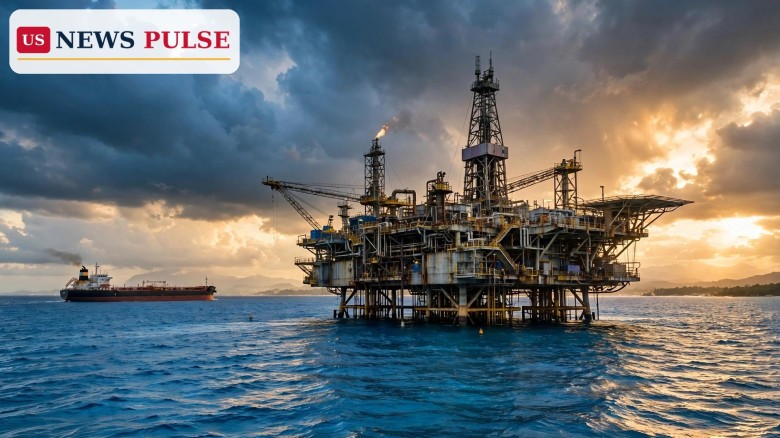
The White House on Monday night detailed what President Donald Trump has called "THE BIGGEST OIL DEAL IN WORLD HISTORY" — an arrangement giving the United States a stake in Venezuela's oil reserves, with the Pentagon taking a 35 percent share. The Venezuela oil deal, announced by Trump on Friday night, gives Washington a claim on output from 17 untapped oilfields holding 65 billion barrels.
Key Points
- The United States and North American Blue Energy Partners (NABEP) formed a company with 100-year rights over 17 untapped Venezuelan oilfields holding 65 billion barrels of proven potential.
- The Pentagon's Office of Strategic Capital takes a 35 percent stake, and the United States gets 55 percent of output, including the right to buy 20 percent at cost, reported at $30 a barrel.
- It is pitched as drawing $100 billion in investment and yielding over $209 billion in taxes for Caracas.
- The new company would become the world's second-largest corporate holder of proven oil reserves, behind Saudi Aramco.
- Acting President Delcy Rodriguez says Venezuela keeps sovereignty over its resources; Senator Tim Kaine calls it "corruption at epic scale".
What Happened
Trump announced the deal on Friday night, November 6, and the White House followed up on Monday night with the detailed terms, confirming the Pentagon's equity stake. The announcement comes months after American forces captured then-President Nicolas Maduro in a January raid and brought him to New York to face drug-trafficking charges, leaving Venezuela under the acting leadership of Rodriguez.
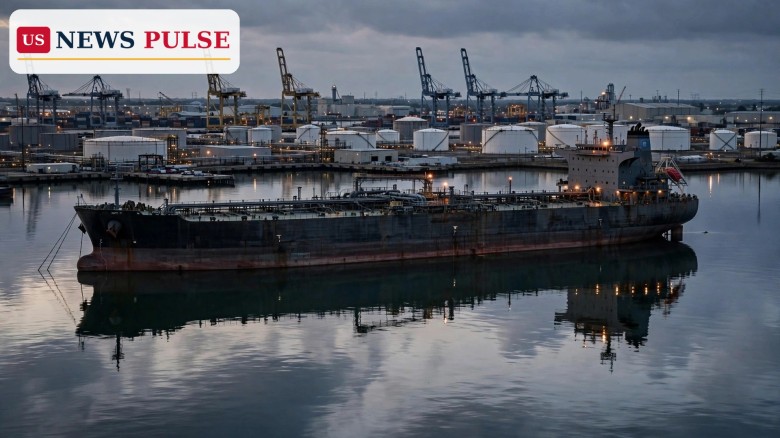
The first oil under the deal has already reached American shores. The first Venezuelan cargo under the US-NABEP deal unloaded in Texas on October 27, when NABEP supplied one million barrels for sale to Exxon Mobil and Citgo refineries. American purchases will go to the strategic oil reserves and the military, giving Washington a direct claim on Venezuelan crude amid the war with Iran.
Background: From the Maduro Raid to the NABEP Deal
The deal's roots run back to January, when United States forces seized Maduro in Caracas and flew him to New York. The raid removed the leader Washington accused of running a narco-state, leaving open who would govern Venezuela and what would happen to its oil. The country holds the world's largest proven crude reserves yet produces a fraction of its former output.
The administration then moved quickly to tie Venezuela's oil to American interests. NABEP, owned by Venezuelan businessman Alejandro Betancourt, emerged as Washington's chosen partner, given access to fields without competition — a point Senate Democrats have challenged. Trump has also floated bigger ambitions: at a Corpus Christi rally on October 27, he suggested making Venezuela the 51st state, a line aides later called a joke.
The Venezuela Oil Deal Terms in Detail
The new company holds 100-year rights over 17 untapped oilfields with a proven potential of 65 billion barrels — enough to rank it second only to Saudi Aramco among corporate holders of proven reserves. The Pentagon's Office of Strategic Capital takes a 35 percent stake, and the United States gets 55 percent of output.
Washington may buy 20 percent of total output at cost, reported at $30 a barrel — under a third of market value. Those barrels go to the strategic petroleum reserve and the military. The administration says the arrangement will draw $100 billion in investment and generate more than $209 billion in taxes for Caracas, but those are projections, dependent on production rising sharply. Venezuela's oil infrastructure is dilapidated, and analysts caution production gains will take years. US petrol still averaged $4.08 a gallon on Saturday, per AAA, versus $3.20 a year earlier, even as Brent crude has fallen below $98 a barrel on Iran-talks hopes.
Reactions and Quotes
Rodriguez addressed the deal on television on Sunday, November 8, insisting Venezuela retains ownership and sovereignty over its resources and wants to become a global energy powerhouse. Her government calls it a partnership to fund reconstruction, even as it cedes a large share of output to Washington.
Democrats reacted with fury. Senator Tim Kaine called the deal "corruption at epic scale". Harvard economist Ricardo Hausmann called it a "shameful deal", saying Rodriguez has no legitimacy to commit Venezuela to a century-long concession. Analysts were sceptical about the timeline: Venezuela's fields are in poor condition, its refineries run far below capacity, and rebuilding them will take tens of billions of dollars and years of work. The White House has published no production schedule or start date for the new fields.
Why It Matters
The Venezuela oil deal matters on three levels: energy, geopolitics and law. On energy, it gives the United States a direct, discounted claim on one of the world's largest oil endowments as war in the Middle East makes supply security a priority. If production materialises, it could reshape global oil flows and ease pressure on US petrol prices.
On geopolitics, the deal cements Washington's role as the dominant power in Venezuela after the Maduro raid. A 100-year concession and a Pentagon stake lock in American influence over the economy for generations, alarming rivals including China and Russia, which have their own interests in Venezuelan oil. On law, it raises questions for Congress and the courts: can a government installed after a military operation grant a century-long concession, and does the Pentagon's stake need congressional approval?
What Happens Next
The next test is money: the administration says the deal will draw $100 billion in investment, but no investor list or financing schedule has been published. Watch whether American oil companies commit capital to Venezuelan fields. Without that investment, the production promises remain paper figures.
Congress is likely to push back. Senate Democrats have already questioned its legality, and with Democrats taking control of both chambers in January, hearings are all but certain. In Caracas, Rodriguez must show results, and any future elected government could renegotiate — or repudiate — terms it regards as imposed. For now, the deal stands as the boldest move yet in Washington's remaking of Venezuela: a century-long claim on its oil, sealed with a Pentagon stake.
Frequently Asked Questions
What is the Venezuela oil deal?
The United States and NABEP created a company with 100-year rights over 17 untapped Venezuelan oilfields holding 65 billion barrels; the Pentagon takes 35 percent and the United States gets 55 percent of output.
How much oil is involved?
The fields hold a proven potential of 65 billion barrels, making the new company the second-largest corporate holder of proven reserves in the world, behind Saudi Aramco.
What does the Pentagon get?
The Pentagon's Office of Strategic Capital takes a 35 percent stake, and the United States gets 55 percent of output, including the right to buy 20 percent at cost — reported at $30 a barrel — for the strategic reserve and the military.
Who is behind NABEP?
North American Blue Energy Partners is owned by Venezuelan businessman Alejandro Betancourt. It supplied the first cargo of one million barrels that unloaded in Texas on October 27.
Will the deal lower US petrol prices?
Not quickly. Analysts warn Venezuela's oil infrastructure is dilapidated and production gains will take years, so cheap crude would only reach drivers once new output comes online.
Leave a Comment