


 | Today's Date:





Peltola Files Alaska Absentee Ballots Lawsuit in Tight 600-Vote Senate Race
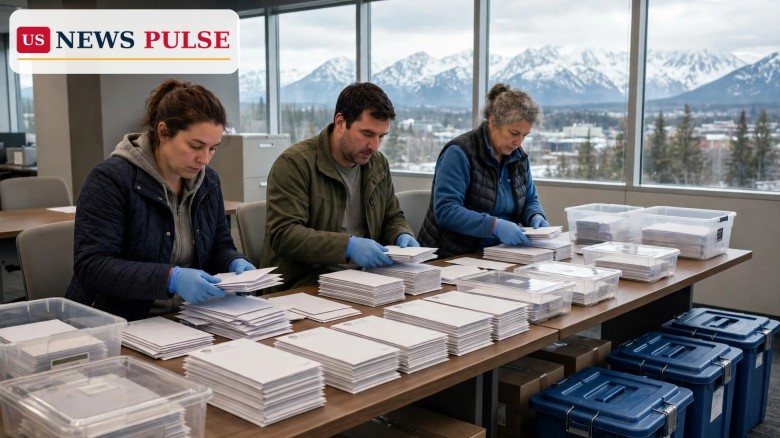
Democrat Mary Peltola's campaign has sued the state of Alaska for the records behind the rejected absentee ballots in the state's razor-thin Senate race, arguing it cannot verify that its voters' lawful ballots were properly counted without knowing which ones were set aside — and why. The lawsuit, filed on Friday, November 6, 2026, in Anchorage Superior Court by the campaign group Alaskans for Mary, lands with Peltola leading Republican incumbent Senator Dan Sullivan by only about 637 votes and roughly 75,000 ballots still to be counted. The case does not claim any ballot was wrongly rejected, and it does not ask the court to stop the count.
Key Points
- Alaskans for Mary sued the Alaska Division of Elections on Friday, November 6, 2026, seeking records showing which absentee ballots are accepted or rejected, and why.
- Peltola leads Senator Dan Sullivan by about 637 votes — 102,962 to 102,325 — with roughly 75,000 ballots still to be counted.
- The campaign first requested the absentee register on October 27 under the Alaska Public Records Act and followed up on November 4.
- The suit names Lieutenant Governor Nancy Dahlstrom, Elections Director Carol Beecher and the Division of Elections, and seeks emergency court orders.
- The state says the records are preliminary and confidential, that Alaska law does not require their release, and that releasing them could delay the count.
What Happened
The lawsuit was filed in Anchorage Superior Court three days after Election Day. Alaskans for Mary asks the court to order the Division of Elections to release the absentee ballot register — the record showing, ballot by ballot, which absentee ballots have been accepted, which have been rejected or questioned, and why. It also seeks emergency orders to force the state to hand over the records quickly.
The campaign first asked for the register on October 27 and followed up on November 4, but says the state denied it immediate access. The complaint puts the point bluntly: the campaign “cannot ensure that its voters' lawful votes were properly counted without knowing whose absentee ballots were rejected or questioned, and why.” It is not an accusation of wrongdoing, only a claim that the campaign cannot verify the count without the records. The state responded the same day that the records are preliminary and confidential, and that Alaska law does not require their release.
Background: A Race Decided by Hundreds of Votes
Alaska's Senate race is one of the closest in the country. Peltola, a Democrat and former congresswoman, is challenging Republican incumbent Senator Dan Sullivan. The count posted on Wednesday afternoon had Peltola ahead by 102,962 votes to 102,325 — a margin of about 637 votes out of more than 205,000 counted so far. About 75,000 ballots remain, enough to swing the race either way many times over. Absentee ballots postmarked by Election Day can arrive through November 13, and ballots from overseas voters have until November 18.
If neither candidate wins a majority, a ranked-choice count is scheduled for November 18. That is why the register matters: every absentee decision could matter in a race this tight. The race has already produced courtroom battles. The Justice Department's October bid to block certification if Peltola won was dismissed on November 1, and it has appealed. President Donald Trump has separately demanded the minor candidates' first-choice votes go to Senator Sullivan, which legal experts say has no basis in Alaska law.
The Alaska Absentee Ballots Lawsuit: What the Campaign Wants
The lawsuit asks for something narrow, and the campaign has been careful to say what it is not asking for. It wants the absentee ballot register — the working record of acceptances and rejections — released now, while counting continues. The suit does not claim any ballot was wrongly rejected. It does not ask the court to stop the count, to throw out ballots, or to change any totals. Its argument is procedural: a campaign in a race this tight needs to see which ballots were questioned and why.
The state's answer is also procedural. The Department of Law says the register is a working document, not a final record: entries can change as the count goes on, and the state has long treated such preliminary records as confidential. Releasing them, it argues, would go beyond what Alaska law requires and could pull election workers off counting to assemble the records.
Reactions
The campaign frames the case as basic election oversight: it “cannot ensure that its voters' lawful votes were properly counted without knowing whose absentee ballots were rejected or questioned, and why.” The filing does not accuse the Division of Elections of mishandling ballots. The Alaska Department of Law took the opposite view, saying the records are preliminary and subject to change, long treated as confidential, and that Alaska law does not require their release. Neither side claims the race itself is tainted.
Why It Matters
A margin of 637 votes, with 75,000 ballots still to count, is the kind of race where the details of the count matter as much as the totals. Absentee ballots are a large share of what remains, and the decisions about which ones count are made ballot by ballot, out of public view. The register is the only record of those decisions. Peltola leads by a fraction of a percent and wants to check the decisions that could erase that lead. For Alaska voters, it is about whether the count can be observed while it happens, or only after it is finished.
What Happens Next
The Division of Elections is due to release its next count on Tuesday, November 10, 2026. The court may also rule on the request for a temporary restraining order before then, deciding whether the register is released during the count. Absentee ballots postmarked by Election Day can arrive through November 13, and ballots from overseas voters have until November 18. If no candidate wins a majority of first-choice votes, the ranked-choice count on November 18 will decide the race.
Frequently Asked Questions
What is the Peltola campaign suing Alaska for?
Its group, Alaskans for Mary, asks the Anchorage Superior Court to order the immediate release of the absentee ballot register — the record showing which absentee ballots were accepted or rejected and why.
How close is the Alaska Senate race?
Very close. The count posted on Wednesday had Democrat Mary Peltola ahead of Republican Senator Dan Sullivan by about 637 votes, 102,962 to 102,325, with roughly 75,000 ballots still to be counted.
Does the lawsuit claim ballots were wrongly rejected?
No. It does not claim any ballot was wrongly rejected or ask the court to stop the count. It argues the campaign needs the records to verify lawful votes were properly counted.
When will the next count be released?
Tuesday, November 10, 2026. Absentee ballots can arrive through November 13, or November 18 from overseas, and a ranked-choice count is set for November 18 if no candidate wins a majority.
Related coverage: Trump demands fake Dan Sullivan votes go to Senator Sullivan in Alaska; Alaska rural polling places lawsuit puts 18 remote sites in spotlight before Election Day; DOJ sues to block Alaska Senate certification if Dan S. Sullivan loses.
Leave a Comment