


 | Today's Date:





Russian Diesel Exports Doubled in October — But Not One Barrel Reached the US
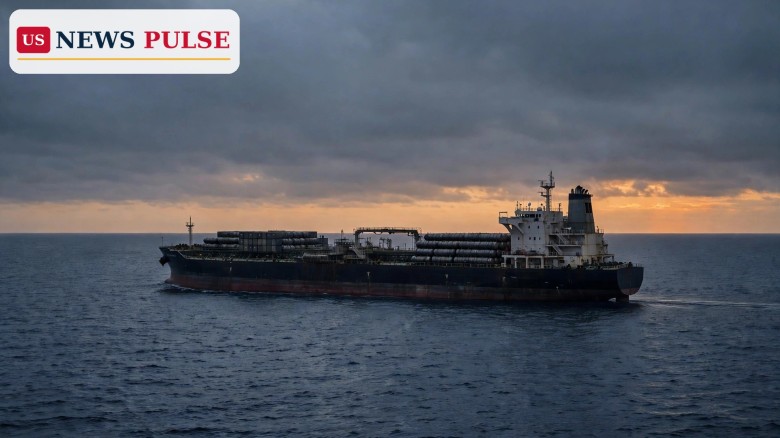
Russia exported about twice as much diesel in October as it did in September under President Donald Trump’s sanctions waiver — yet not a single barrel from the deal reached an American port, new shipping data shows. Figures from energy analytics firm Kpler, first reported by the Financial Times on Thursday, put Russian diesel exports at roughly 271,000 barrels a day in October, up from about 135,000 in September. A second estimate, from consultancy Energy Aspects, put the figure at around 260,000 barrels a day.
Key Points
- Russia exported about 271,000 barrels a day of diesel in October, double September’s 135,000, according to Kpler data first reported by the Financial Times on November 12.
- Energy Aspects put October at about 260,000 barrels a day — still only around a third of the five-year October average of roughly 700,000.
- No waiver cargo has reached a US port: two tankers diverted, and a third still idles off the East Coast awaiting a buyer.
- The extra barrels went to Brazil, Turkey and elsewhere, while the White House called the deal “a deal for the world”.
- Ukrainian strikes on Russian refineries resumed on October 30, and Moscow extended its diesel export ban to the end of January.
What Happened
The October tally, published on Thursday, November 12, gave the first full-month picture of the diesel trade since Trump’s October 9 deal with Russian President Vladimir Putin and the Treasury Department’s General License No. 135, which waived sanctions on Russian diesel imports through April 7. Both agreed: exports roughly doubled month on month, yet stayed far below normal. At about 271,000 barrels a day, October’s flow was still only around a third of the five-year October average of roughly 700,000 barrels a day.
What the numbers did not show was any American delivery. Two tankers bound for the United States changed course: the Leruo diverted to Brazil and the Talisman turned into the Mediterranean. A third, the Agioi Fanendes, carrying about 300,000 barrels loaded at Primorsk on October 22, still idles off the US East Coast awaiting a buyer. The barrels that did move went to Brazil, Turkey and elsewhere — the supply Washington had hoped would refill American tanks.
Background and Context
The waiver was born of a tight American fuel market. When Trump announced the deal on October 9, US diesel inventories had fallen below 100 million barrels, their lowest in more than 20 years, and the arrangement was presented as covering more than 300,000 metric tons of Russian diesel. The White House called it a pragmatic move to add global supply and bring prices down, and Ukraine paused its attacks on Russian refineries as the deal took shape.
But the cargoes ran into trouble almost as soon as they sailed, and tankers bound for the American Atlantic coast began turning away. New Jersey Governor Mikie Sherrill warned port operators on November 2 that handling the cargoes could bring “harsh penalties”, and a bipartisan group of senators urged Trump to cancel the deal, saying the US “should not provide Putin with a financial lifeline”. The Treasury Department insisted its exemption was “in compliance with all applicable laws”, but buyers, banks and ports stayed away.
Russian Diesel Exports Doubled — But America Got None
The gap between the export surge and the empty American docks comes down to risk. A waiver on paper did not remove the practical dangers for anyone touching the cargoes: secondary sanctions, state penalties, and the reputational cost of buying Russian fuel during the war in Ukraine. Kpler analyst Matt Smith summed up the market’s verdict in early November: “because of regulatory, sanctions concerns, we may not see this cargo discharge on the US Atlantic coast.” The October data proved him right.
For the rest of the world, the deal worked more or less as the White House described it. Extra barrels added to global supply, and buyers in Brazil and Turkey took cargoes American ports would not. Critics read the same numbers differently: a doubling of Russian diesel exports, they argue, handed Moscow revenue and relief while American drivers saw none of the benefit.
Reactions and Quotes
The White House has stood by the arrangement, saying “this is a deal for the world” and that it was designed to add global supply and lower prices rather than guarantee deliveries to American ports. Officials also said talks with the Agioi Fanendes’ owner were continuing, and the stranded cargo could still find an American buyer.
In Moscow, Kremlin envoy Kirill Dmitriev dismissed the diversions as “Fake”, insisting that “tankers destined for the US continue on course” — a claim the shipping data, with the Agioi Fanendes still waiting off the East Coast, does not support.
Why It Matters
The October tally matters for three reasons. First, it measures a waiver that was controversial from the day it was announced, and the measurement is stark: exports doubled, American deliveries were zero. Second, it shows the limits of executive action in energy markets: a general licence can remove a legal barrier, but it cannot force banks to finance a cargo, ports to accept it or buyers to take it. Third, it sharpens the political argument. Supporters can point to extra barrels on the world market; opponents can point to the same numbers and ask why a policy sold as help for Americans ended up supplying Brazil and Turkey while Moscow collected the revenue.
What Happens Next
The waiver runs until April 7, 2027. The immediate test is the Agioi Fanendes, still idling off the East Coast with about 300,000 barrels aboard: if the White House’s talks with its owner produce a buyer, it would become the first waiver cargo to discharge in the United States; if not, it joins the Leruo and the Talisman. Ukrainian strikes on Russian refineries resumed on October 30, and Moscow has extended its diesel export ban to the end of January. November’s figures will show whether October’s doubling was a one-off surge or a new pattern.
Frequently Asked Questions
What is General License No. 135?
The US Treasury licence, issued after Trump’s October 9 deal with Vladimir Putin, waiving sanctions on Russian diesel imports through April 7, 2027.
How much diesel did Russia export in October?
About 271,000 barrels a day, according to Kpler data first reported by the Financial Times on November 12 — roughly double September’s 135,000 barrels a day.
Did any Russian diesel reach the United States?
No. The Leruo diverted to Brazil, the Talisman turned into the Mediterranean, and the Agioi Fanendes still idles off the East Coast awaiting a buyer.
Why did the tankers turn away?
Buyers, banks and ports stayed away over regulatory and sanctions concerns, including warnings from New Jersey Governor Mikie Sherrill of “harsh penalties”.
Where did the extra diesel go instead?
To Brazil, Turkey and other buyers, adding to global supply even as American ports received none of it.
Read more: Trump’s Russian Diesel Deal Falters as Tankers Turn Away From US Ports and Three Oil Tankers Hit Mines and Catch Fire in Strait of Hormuz, Iran Says.
Leave a Comment