


 | Today's Date:




US Heating Bills to Rise 7% This Winter as Heating-Oil Costs Jump 70%, NEADA Warns
American households will pay more to stay warm this winter, with US heating bills set to climb 7.1% and families that heat with oil facing a seasonal bill nearly 70% higher than last year, according to a new national forecast.
The National Energy Assistance Directors Association (NEADA) projected on Tuesday, November 10, 2026, that the average American household will spend $1,002 on home heating this winter, up $66 from $936 last winter. The forecast, first reported by The Guardian, puts the heaviest burden on the nearly five million households that rely on heating oil, whose costs are expected to jump about 70% to roughly $2,977.
Key Points
- The average US household will spend $1,002 on heating this winter, up 7.1% ($66) from $936 last winter, NEADA forecasts.
- Nearly 5 million heating-oil households face the steepest rise, with seasonal costs jumping about 70% to roughly $2,977, from $1,749.
- The Northeast faces the largest regional increase, up 16.9% ($221) to $1,532, from $1,311 last winter.
- Residential heating oil cost about $6.14 a gallon in the week ending November 2, roughly 69% higher than a year earlier, according to the US Energy Information Administration.
- About one in six US households is already behind on utility payments, owing about $23 billion in total, NEADA warns.
What Happened
NEADA, the association that represents state directors of the federal home energy assistance programme, released its annual winter heating cost forecast on Tuesday, November 10, 2026. The headline figure is a $1,002 average seasonal bill, a 7.1% rise on last winter. The increase is not spread evenly: households that heat with oil, electricity or propane will all pay more, while homes heated by natural gas should see costs roughly flat.
The forecast lands as the heating season gets under way and as the eight-month US-Iran war continues to squeeze global supplies of distillate fuels, the refined products that include heating oil and diesel. The government has already taken emergency steps to shore up supplies in the Northeast: earlier this month the United States loaned 300,000 barrels from the Northeast heating oil reserve to fuel suppliers, the first such draw on the reserve since Hurricane Sandy in 2012.
Background and Context
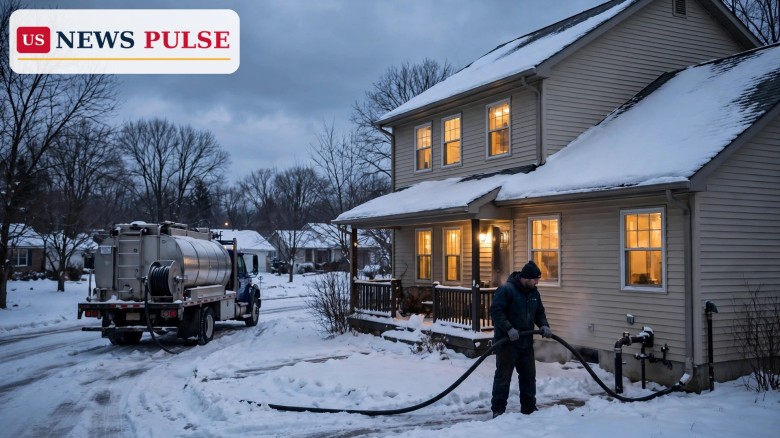
Heating oil is a delivered fuel, bought in bulk and stored in a tank at home, so its price tracks global oil and distillate markets far more directly than piped natural gas. When those markets tighten, oil-heated homes feel it within weeks. The Energy Information Administration reported residential heating oil at about $6.14 a gallon in the week ending November 2, roughly 69% higher than the same week a year earlier, a jump that mirrors the rise in crude prices since the war began in February.
Oil prices have swung sharply through the autumn. Brent crude fell below $100 a barrel in early November as the midterm elections reshaped the political outlook, but the underlying distillate market has stayed tight, with diesel and heating oil supplies constrained by refinery limits and the disruption to Middle East shipping.
The forecast also comes as producer prices rose in October even as overall inflation cooled, leaving households already paying more for food, housing and transport.
US Heating Bills: Why Oil Households Face the Steepest Rise
The gap between heating fuels is the story of this winter. Oil-heated homes are set to pay about $2,977 for the season, up roughly $1,228 from $1,749 last winter, a rise of about 70%. No other fuel comes close. Electric heating is projected to cost about $1,215, up about 6%, and propane about $1,350, up about 5%. Natural gas, the most common heating fuel in the country, is expected to cost roughly the same as last winter.
Geography makes the pain uneven. The Northeast, where oil heating is most common and winters are longest, faces a 16.9% rise in average heating costs, from $1,311 to $1,532, an extra $221 for the season. About a third of New England homes heat with oil, and about half in Maine, so the region absorbs the worst of the increase.
Forecasters expect a relatively mild start to the winter because of a strong El Niño, which could somewhat limit demand and soften the total bill. But a mild start does not change the price of each gallon, and a cold snap later in the season would push consumption, and costs, higher still.
Reactions and Quotes
NEADA executive director Mark Wolfe said heating-oil prices should be assumed to stay elevated all winter, a warning that undercuts any hope of a quick fall once the season is under way. Wolfe's message is that households should plan for the higher costs to persist.
The association also sounded the alarm on household finances. About one in six American households is already behind on utility payments, owing about $23 billion in total, NEADA said, a backlog that leaves millions of families entering the expensive heating season already in arrears.
Why It Matters
Heating is not a discretionary purchase. When the bill rises by $66 on average, and by more than $1,200 for oil-heated homes, that money comes from food, medicine, transport or savings. For the one in six households already behind on utility bills, a winter of elevated prices raises the risk of shutoffs, late fees and debt into spring.
The squeeze falls hardest on households least able to absorb it. Oil heating is concentrated in older Northeast homes, many occupied by people on fixed incomes, and switching fuels is expensive. A household that cannot afford a full tank may buy less fuel and keep the thermostat lower, trading comfort and, in the coldest weeks, health for a smaller bill.
What Happens Next
The first test will be the weather. A mild start to winter, as forecasters expect with a strong El Niño, would hold consumption down and keep the final bill near NEADA's estimate. A prolonged cold spell would push it higher, particularly for oil households buying fuel at current prices.
Households worried about the cost should check heating assistance early rather than waiting for a large bill. Federal and state energy assistance programmes, and payment plans from fuel dealers and utilities, can spread the cost, and state energy offices can say what help is available locally.
Frequently Asked Questions
How much will the average US household spend on heating this winter?
About $1,002, according to NEADA, up 7.1% ($66) from $936 last winter.
Why are heating-oil costs rising so much?
Global distillate supplies are tight, in part because of the US-Iran war, and heating oil cost about $6.14 a gallon in early November, roughly 69% higher than a year earlier.
Which region faces the biggest increase?
The Northeast, where average heating costs are projected to rise 16.9%, from $1,311 to $1,532, because oil heating is most common there.
What help is available if I cannot pay my heating bill?
Federal and state energy assistance programmes exist, and fuel dealers and utilities offer payment plans. Contact your state energy office or utility for help.
Will heating costs fall later in the winter?
NEADA's executive director Mark Wolfe said heating-oil prices should be assumed to stay elevated all winter, though a mild start to the season could limit how much fuel households use.
Leave a Comment