

 | Today's Date:



Former SEC Chair Gensler Warns AI Bubble Will Burst Before 2028 Election
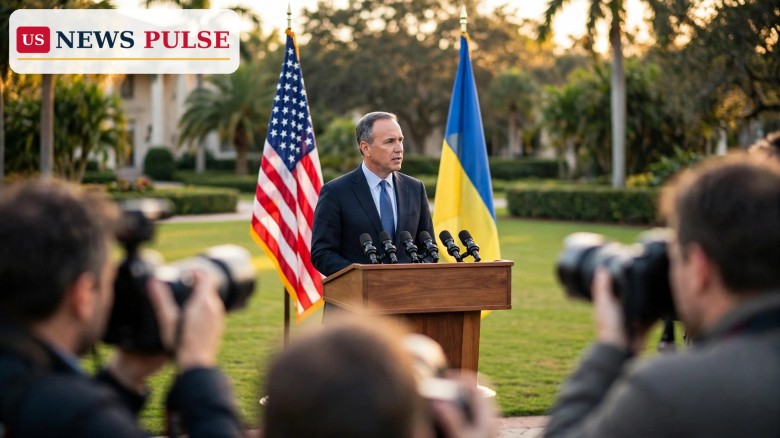
Former Securities and Exchange Commission chair Gary Gensler has delivered the bluntest warning yet about the artificial intelligence boom, telling CNN that the AI bubble is already here and will probably burst hard enough to cause a recession before the November 2028 presidential election. Gensler, who led the SEC from 2021 to 2025 and now teaches at the Massachusetts Institute of Technology, is the most senior former regulator to warn publicly that AI markets could drag the whole US economy down.
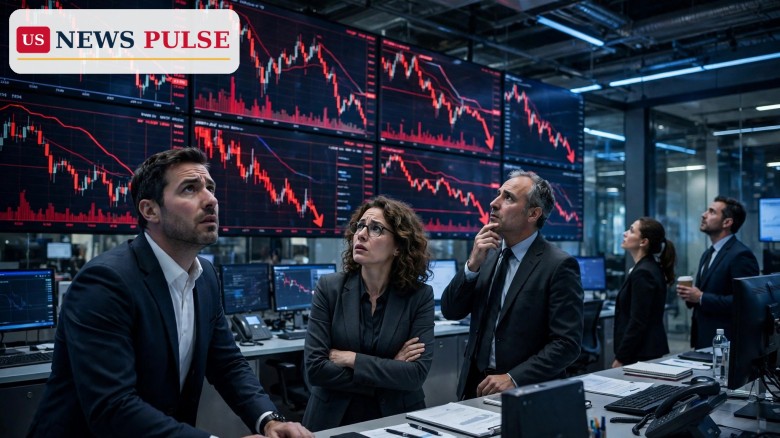
About $800 billion a year is now being poured into AI infrastructure, Big Tech is spending five times more than three years ago, and the Nasdaq has slipped into correction territory. Gensler says the danger is not only the scale of the spending but how it is financed, through circular deals and off-balance-sheet arrangements that hide the true risk.
Key Points
- Former SEC chair Gary Gensler told CNN the AI boom "is already a bubble" and will likely burst and cause a recession before the November 2028 election.
- About $800 billion a year is being poured into AI infrastructure, with Big Tech spending five times more in 2026 than three years ago.
- Gensler warned of circular financing and off-balance-sheet funding hiding the true risk, and predicted "breakage and bankruptcies" first among debt-laden neocloud firms.
- He said the downturn would be "as significant as" the dot-com bust but not "as harsh as" the 2008 subprime meltdown.
- Ed Yardeni pushed back, saying "the air [is] coming out of the bubble" without it bursting, while Elon Musk warned of "guppy-level death and consolidation" among 200-plus neoclouds.
What Happened
Gensler made the remarks in an interview with CNN published on Monday, November 16, 2026. He argued the AI boom has crossed from genuine technology revolution into speculative bubble, fuelled by a flood of capital chasing a few companies and lightly regulated middlemen.
At the centre of his concern are the so-called neocloud companies, a new breed of firms that borrow heavily to buy advanced chips and rent out computing power to AI developers. Gensler predicted "breakage and bankruptcies" would hit these debt-laden firms first if the market turns, echoing Elon Musk's warning of "guppy-level death and consolidation" among more than 200 neoclouds.
He also pointed to the circular nature of much of the spending. In some deals, chipmakers, cloud providers and AI start-ups invest in one another and buy one another's products, making demand look far stronger than it is. Much of this financing sits off balance sheets, hiding where the risk sits.
Background: How the AI Boom Got Here
The AI investment surge began in earnest after powerful chatbots arrived in late 2022, and it has accelerated every year since. The largest technology companies have committed hundreds of billions of dollars to data centres, chips and power, racing to build the infrastructure the next generation of AI will need. That spending powered a historic stock rally, pushing a handful of AI-linked companies into the trillions.
But doubts have been building for months. The AI stocks sell-off has already wiped trillions of dollars from technology shares, and investors have started asking harder questions about when the spending will produce real returns. The scandal around Nvidia co-founder Jensen Huang has shaken confidence in the sector's most important company. US News Pulse has reported on the turmoil at Nvidia, including the memo alleging Jensen Huang had romantic ties to a suspected Chinese spy and the tightening of Nvidia chip export controls to seven countries.
The AI Bubble Warning in Detail
Gensler did not say the AI revolution itself is fake. His argument is that the financing around it has become dangerously stretched, and that a correction is now more likely than not before voters choose the next president in November 2028.
"It is already a bubble," he told CNN, warning that when it bursts, the damage would spread beyond the technology sector. A recession, he said, would follow as spending collapses, lenders pull back and companies that bet everything on endless AI growth run out of cash.
He compared it with the two great crashes of recent decades: the downturn would be "as significant as" the dot-com bust of the early 2000s, he said, but not "as harsh as" the 2008 subprime meltdown, which nearly broke the global banking system. The dot-com crash still wiped out trillions and helped push the US into recession.
Reactions: Wall Street Pushes Back
Not everyone agrees a crash is coming. Veteran market strategist Ed Yardeni offered the most prominent rebuttal, arguing the market is already deflating the bubble gently on its own. "The air [is] coming out of the bubble" without it bursting, Yardeni said, adding that he sees "no irrational exuberance in valuations" of the kind that marked the late 1990s. In his view, the slide is a healthy correction, with investors rotating out of the priciest AI names.
Others are less reassuring. Musk, whose companies are among the biggest buyers of AI computing power, has warned for months that many neocloud firms will not survive. The industry's scale was underlined by TSMC's huge bet on the sector, covered by US News Pulse in its report on TSMC betting $1 billion on Anthropic and OpenAI in a $40.9 billion chip push.
Why It Matters
If Gensler is right, the consequences would reach far beyond shareholders. A burst AI bubble would hit pension funds and retirement accounts loaded with tech stocks, squeeze the lenders that financed the data-centre build-out, and cut tax revenues in booming tech hubs.
It would also land in the middle of American politics. A recession before November 2028 would shape the presidential race and punish the party in power.
What Happens Next
The first test comes on Tuesday, November 17, when Nvidia reports quarterly earnings. A strong result could calm nerves and slow the slide in AI stocks; a miss could confirm the fears Gensler and others have raised and accelerate the sell-off. Traders will also watch Anthropic's record IPO attempt this week.
Gensler's warning is likely to fuel calls for closer scrutiny of neocloud lending and off-balance-sheet AI financing. For now, the market is caught between two stories: AI transforms the economy and justifies the spending, or the spending itself is the bubble. Gensler has bet on the second.
Frequently Asked Questions
What did Gary Gensler say about the AI bubble?
He told CNN the AI boom "is already a bubble" and will likely burst and cause a recession before the November 2028 election.
Who is Gary Gensler?
Gensler led the Securities and Exchange Commission from 2021 to 2025, previously chaired the Commodity Futures Trading Commission, and now teaches at the Massachusetts Institute of Technology.
How big is AI spending?
About $800 billion a year is being poured into AI infrastructure, and Big Tech is spending five times more in 2026 than it did three years ago, according to Gensler.
How bad would a burst be?
Gensler said the downturn would be "as significant as" the dot-com bust but not "as harsh as" the 2008 subprime meltdown.

The US News Pulse newsroom covers breaking news across the United States and the world, working from wire services, official statements and on-the-record sources. Every story is reviewed against our editorial standards before publication. Corrections and tips: info@usnewspulse.com
About our newsroomLeave a Comment