

 | Today's Date:




Judge Vacates Deep-Sea Mining Review Off American Samoa in ESA Ruling - US News Pulse
A federal judge in Hawaii has thrown out the wildlife review behind the first American deep-sea mining lease sale, ruling that the government signed off on the sale without ever considering what actual mining would do to endangered whales, turtles and rays. The deep-sea mining ruling, handed down on Monday, November 16, 2026, strikes at the heart of the Trump administration's push to open US waters to seabed mining — and it lands just three days before the disputed lease sale was due to take place.
Key Points
- US District Judge Jill Otake of Hawaii ruled on Monday, November 16, 2026, that the National Marine Fisheries Service violated the Endangered Species Act when it approved the first US deep-sea mining lease sale off American Samoa.
- The judge vacated the agency's Letter of Concurrence, which had found the sale was "not likely to adversely affect" listed species, calling the consultation "cramped, expedited" and apparently unprecedented.
- Lease Sale PACM-1 covers about 31 million acres and was scheduled for Thursday, November 19, 2026. The ruling does not cancel the sale, but warns bidders they would proceed "on notice" of the violation.
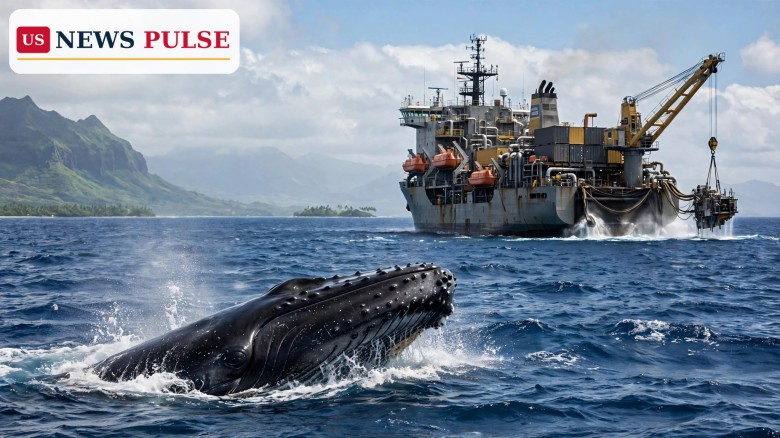
- The area is home to dozens of listed species, including blue, fin, sei and sperm whales, five species of sea turtle and giant manta rays.
- Fa'asao Amerika Samoa and the Conservation Council for Hawaii, represented by Earthjustice, sued on August 18, 2026 — the first legal challenge to the administration's deep-sea mining push.
What Happened
Judge Otake, a Trump appointee, found in a 41-page ruling that the National Marine Fisheries Service, known as NMFS, "only considered the preliminary effects of the lease sale and did not even attempt to consider" what would happen once exploration and mining actually began. The agency's Letter of Concurrence was vacated.
The ruling does not explicitly vacate Lease Sale PACM-1 itself. But Otake wrote that any company bidding would be "on notice" of the legal violation if it went ahead. As of Tuesday, November 17, the sale date was still listed as Thursday, November 19.
Background: The Race to Mine the Seabed
The lease sale is the centrepiece of a drive to open American waters to deep-sea mining that began with an executive order signed by President Donald Trump in April 2025. The order directed federal agencies to fast-track seabed mining, framing the minerals on the ocean floor — cobalt, nickel, copper and rare earths — as a matter of national security and supply-chain independence from China.
The push followed a request from Impossible Metals, a company seeking to harvest mineral-rich nodules from the seabed. Lease Sale PACM-1, covering two areas totalling about 31 million acres off American Samoa, was billed as the first US deep-sea mining lease sale. Supporters say the minerals are essential for electric vehicles, renewable energy and defence, and that mining them at home beats relying on China, which dominates processing of many critical minerals. Read our report on the Senate's energy permitting bill here.
Opponents warn the seabed around American Samoa holds vents, corals and species found nowhere else, and sediment plumes from mining machines can smother marine life for miles.
Deep-Sea Mining and the Endangered Species Act
The Endangered Species Act requires federal agencies to consult wildlife experts before taking any action that could harm a listed species, and to consider the full consequences of what they approve — not just the first step. That principle is what decided this case.
NMFS signed off after an informal consultation that looked only at the preliminary effects of selling the leases. It never assessed the effects of the mining itself — machines scraping the seabed, plumes of sediment, noise and light in waters where whales feed and breed. Judge Otake found that gap fatal.
Reactions: What the Judge, the Government and Conservationists Said
Judge Otake's language was unusually blunt. She wrote that NMFS "only considered the preliminary effects of the lease sale and did not even attempt to consider" the effects of post-leasing exploration and mining. The 41-page decision leaves little room for the government to argue the review was thorough.
Earthjustice, which represented the plaintiffs, welcomed the ruling as a vindication of the lawsuit filed on August 18, 2026 — the first legal challenge to the administration's deep-sea mining programme. The plaintiffs argued the government had rushed the sale without the science to justify it.
The government has not said whether it will appeal or delay the sale. Impossible Metals has not publicly commented.
Why It Matters
First, the timing. The ruling lands three days before the first US deep-sea mining lease sale, leaving the government to choose between proceeding with a sale a federal judge has said rests on an unlawful review, or delaying a flagship piece of the president's critical-minerals agenda.
Second, the precedent. This is the first court ruling on the administration's deep-sea mining push, and it establishes that the Endangered Species Act applies in full to seabed mining. That principle will shape every future sale, and it gives conservation groups a tested template for challenging the next lease.
Third, the ocean itself. The waters off American Samoa are among the least studied in the US, and the species there are already under pressure from warming seas, plastic and noise. Read our report on the deadly mining clashes in Guinea here. Mining would add a new, industrial-scale disturbance to an ecosystem that cannot be repaired once the seabed is scraped away.
What Happens Next
All eyes are on Thursday, November 19. The government must decide whether to postpone Lease Sale PACM-1, hold it despite the ruling, or seek an emergency stay. If the sale goes ahead, the plaintiffs are expected to ask the court to block the leases, and any company that bids will know from the judge's own words that it is buying into a legally contested sale.
Longer term, NMFS will have to conduct the full consultation the judge said was missing. That process could take months, and its conclusions could force the lease areas to be redrawn, shrunk or abandoned. An appeal is also possible.
Frequently Asked Questions
What did the judge rule?
US District Judge Jill Otake ruled that the National Marine Fisheries Service violated the Endangered Species Act when it approved the first US deep-sea mining lease sale off American Samoa, and vacated the agency's finding that the sale was "not likely to adversely affect" listed species.
Does the ruling cancel the lease sale?
Not explicitly. Lease Sale PACM-1 is still scheduled for Thursday, November 19, 2026, but the judge warned bidders they would be "on notice" of the violation if the sale proceeds.
What species are at risk?
Dozens of listed species live in the lease area, including blue, fin, sei and sperm whales, five species of sea turtle and giant manta rays.
Who brought the lawsuit?
Fa'asao Amerika Samoa and the Conservation Council for Hawaii, represented by Earthjustice, filed suit on August 18, 2026 — the first challenge to the administration's deep-sea mining push.
What happens next?
The government must decide whether to delay the November 19 sale, appeal, or proceed despite the ruling. NMFS will also have to carry out the full endangered-species consultation the judge said was missing.

The US News Pulse newsroom covers breaking news across the United States and the world, working from wire services, official statements and on-the-record sources. Every story is reviewed against our editorial standards before publication. Corrections and tips: info@usnewspulse.com
About our newsroomLeave a Comment