

 | Today's Date:





120 Far-Left US Groups Mobilise Against Trump's Pax Silica AI Hub in Philippines
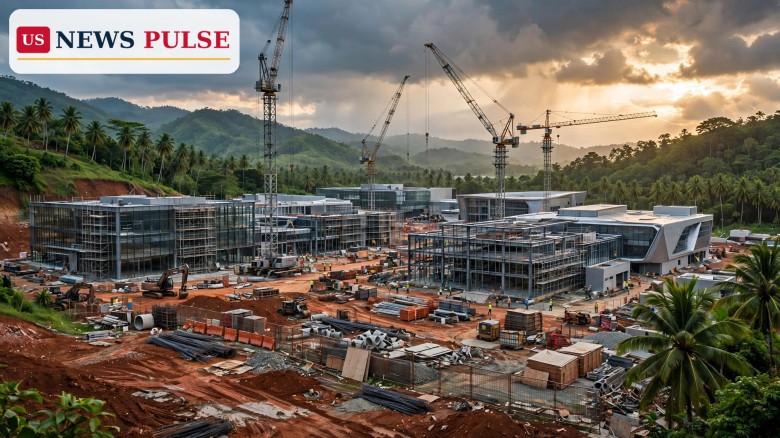
A Fox News investigation has found 120 far-left American organisations mobilising against Pax Silica, the Trump administration's artificial intelligence and semiconductor hub in the Philippines, from Manila street protests to a launch rally in Queens, New York.
Key Points
- A Fox News Digital investigation published Monday, November 17, 2026, found 120 mostly communist, socialist and far-left US organisations, many pro-China, protesting Pax Silica.
- The dispute centres on the Clark Advanced Manufacturing Park, a roughly 4,000-acre site in New Clark City, Tarlac, which protesters say sits on ancestral land and could displace Ayta communities.
- The US campaign, "Shut Down Pax", includes BAYAN USA, Anakbayan USA, the International League of Peoples' Struggle and CodePink.
- Fox traced $278 million into six core US nonprofits in the network of Neville Roy Singham, a Shanghai-based tech millionaire who sold ThoughtWorks for an estimated $785 million in 2017.
- Undersecretary of State Jacob Helberg says Pax Silica will strengthen US control over AI infrastructure, chips and critical minerals.
What Happened
The investigation, published on Monday, November 17, maps a campaign across two continents. In the United States it is organised as "Shut Down Pax", bringing together BAYAN USA, Anakbayan USA and the International League of Peoples' Struggle with CodePink, the anti-war group co-founded by Jodie Evans, wife of Shanghai-based Marxist tech millionaire Neville Roy Singham.
On September 20, the coalition launched the "Shut Down Pax Silica Campaign Network" in Queens, New York, claiming about 500 participants, and said demonstrations were planned in 23 cities worldwide, including five in the United States. As President Donald Trump arrived in the Philippines for the ASEAN summit, SunStar reported more than 200 arrests during demonstrations in Metro Manila.
The campaign has drawn scrutiny in Washington. In July, the House Ways and Means Committee subpoenaed three organisations over the Singham network, and the groups have challenged the investigation. Fox traced $278 million into six US nonprofits in the network, including CodePink, the People's Forum, Tricontinental and BreakThrough News.
Background and Context
Pax Silica is the US-led initiative to build an AI and semiconductor hub in the Philippines, designed to reduce American dependence on Beijing for chips, AI infrastructure and critical minerals. It is part of the administration's effort to shift the most sensitive technology supply chains toward trusted partners in Asia.
On October 31, the Quad partners unveiled an $85 million-plus trusted-AI plan in Atlanta, with Pax Silica among the shared projects. On November 15, the United States and eight partners signed the San Francisco Declaration on the Secure Foundations of Enduring Prosperity, pledging defences for AI supply chains, chips and critical minerals.
Read our report on the San Francisco Declaration on AI supply chains.
Undersecretary of State Jacob Helberg, who is driving the project, said Pax Silica would strengthen American control over AI infrastructure, semiconductor production and critical mineral supply chains. Two days before the Fox investigation was published, he called the hub key to the world's "superintelligence revolution".
Read our report on Senator Cantwell on AI chips reaching China.
Pax Silica: The AI Hub at the Centre of the Fight
At the heart of the dispute is the proposed Clark Advanced Manufacturing Park, a roughly 4,000-acre development in New Clark City, Tarlac, north of Manila. The site is intended to host chip fabrication, advanced manufacturing and AI infrastructure, anchoring a new industrial zone the administration presents as an alternative to Chinese-dominated supply chains.
Protesters, including Philippine indigenous groups, allege the park is built on ancestral land and could displace Ayta communities. Philippine officials dispute the claim that it would create a US-controlled enclave. The stakes are strategic: whoever controls advanced chips and the data centres that run them will shape the next decade of economic and military power. CodePink has called Pax Silica a "military-industrial-surveillance complex".
Reactions and Quotes
CodePink has led the American criticism, calling Pax Silica a "military-industrial-surveillance complex" and presenting the hub as a military project dressed as economic development. The label has become a central slogan of the "Shut Down Pax" campaign, repeated at rallies on both sides of the Pacific.
Helberg argues the hub will strengthen American control over AI infrastructure, semiconductor production and critical mineral supply chains. His description of Pax Silica as key to the world's "superintelligence revolution" shows how the administration sees the project: not one industrial park, but a building block of a US-led technology order.
Philippine officials have pushed back on the protesters' central claim, disputing that the development would create a US-controlled enclave, and presenting the park as a Philippine project with American partnership. The three organisations subpoenaed by the House Ways and Means Committee in July have challenged the investigation, and neither side has said when the dispute will be settled.
Why It Matters
The campaign tests whether the United States can build a China-free technology supply chain in Asia without triggering a political backlash at home and abroad. Pax Silica is one of the administration's flagship projects for doing exactly that, and a sustained protest movement, amplified by American groups, complicates the diplomacy around it.
It also matters for the debate over foreign influence. The Singham network has been under congressional scrutiny for years, and the $278 million figure gives lawmakers material as they weigh new disclosure rules for nonprofits and companies with ties to Beijing. For the Philippines, the stakes are immediate: land, the rights of Ayta communities, and high-tech jobs in Tarlac.
What Happens Next
The "Shut Down Pax" coalition says demonstrations are planned in 23 cities worldwide, including five in the United States, with more expected as the project moves forward. The House subpoena fight will continue, Manila faces pressure over Ayta communities, and the administration is expected to keep promoting Pax Silica as a centrepiece of its technology strategy.
Frequently Asked Questions
What is Pax Silica? Pax Silica is the US-led initiative to build an AI and semiconductor hub in the Philippines, centred on the Clark Advanced Manufacturing Park in New Clark City, Tarlac, to reduce dependence on China.
Why are groups protesting? Protesters, including Philippine indigenous groups, say the roughly 4,000-acre park sits on ancestral land and could displace Ayta communities, and argue the project extends American military and economic power in Asia.
Who is Neville Roy Singham? Singham is a Shanghai-based Marxist tech millionaire who sold ThoughtWorks for an estimated $785 million in 2017. Fox traced $278 million into six US nonprofits in his network, including CodePink, the People's Forum, Tricontinental and BreakThrough News.
What is the "Shut Down Pax" campaign? It is the campaign against the hub, launched on September 20 in Queens, New York, by groups including BAYAN USA, Anakbayan USA, the International League of Peoples' Struggle and CodePink, which planned protests in 23 cities.
What happens next? More protests are planned, the House subpoena fight continues, and the administration will keep promoting Pax Silica as a centrepiece of its AI strategy.

The US News Pulse newsroom covers breaking news across the United States and the world, working from wire services, official statements and on-the-record sources. Every story is reviewed against our editorial standards before publication. Corrections and tips: info@usnewspulse.com
About our newsroomLeave a Comment