

 | Today's Date:




Supertanker Rates Plunge 64% From Record Highs as Gulf Oil Exports Recover
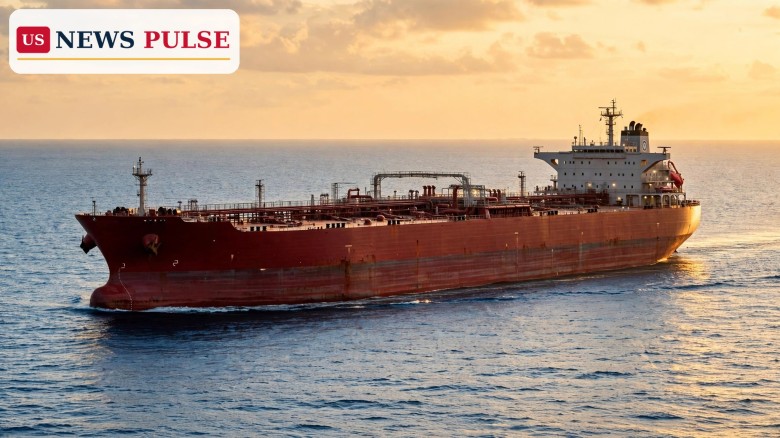
Freight rates for the world's biggest oil tankers have plunged 64 percent from October's record highs, falling to about 308 on the Worldscale basis on Friday, November 13, 2026, as Gulf oil exports recover and the war risk premium from the US-Israeli war on Iran unwinds, Baltic Exchange data shows.
Key Points
- Rates for very large crude carriers (VLCCs) from the Gulf of Oman to China fell to about 308 on the Worldscale basis on November 13, 2026, down 64 percent from the record 841 of October 8.
- The plunge reflects weaker chartering demand and an unwinding of the geopolitical risk premium that sent shipping costs to record highs in October.
- Gulf exporters have pushed crude flows back toward pre-war levels using ship-to-ship transfers and "dark crossings" in which tankers switch off tracking signals.
- The recovery has cut Asian demand for US and North Sea crude, freeing up VLCCs, and vessel availability is building as ships discharge in East Asia.
- Rates fell even more sharply on other routes, such as West Africa to Asia, while oil prices are down 20 percent this month, partly on hopes of de-escalation.
What Happened
The Baltic Exchange data tells the story in two numbers. On October 8, 2026, hiring a supertanker to carry crude from the Gulf of Oman to China cost 841 on the Worldscale basis, an all-time record. Just over five weeks later, on November 13, that same route cost about 308, a fall of 64 percent. Worldscale is the shipping industry's standard measure of tanker freight rates, a move almost unheard of in crude shipping.
The fall was not confined to one route. Rates dropped even more sharply on other long-haul lanes, including West Africa to Asia, as the pool of available ships grew and charterers no longer had to pay panic prices. The fear premium built into every Gulf voyage in October drained away, and with it the extraordinary rates owners had been able to charge. The record was set at the height of the October shipping crisis, when attacks on tankers made owners demand far higher rates to send ships into the region.
Background and Context
The October spike had a clear cause. The US-Israeli war on Iran, now in its ninth month since it began on February 28, 2026, turned the Gulf into the most dangerous water in world shipping. Iran and the United States attacked tankers, mines were laid in and around the Strait of Hormuz, and owners faced a real risk that a vessel worth hundreds of millions might not come home. That perceived risk pushed freight costs to levels the industry had never seen.
The Strait of Hormuz normally carries about a fifth of the world's seaborne oil. Read our report on a supertanker sinking in the Strait of Hormuz with 2 million barrels of oil aboard, one of a series of mine incidents through October and November. But Gulf exporters adapted. Using ship-to-ship transfers and "dark crossings", they pushed crude flows back toward pre-war levels even as attacks continued. As volumes recovered, the panic in the freight market eased. With Gulf crude available again, Asian buyers bought less oil from the United States and the North Sea, freeing up VLCCs from those longer routes.
Supertanker Rates Plunge as the War Premium Unwinds
The mechanics are straightforward. When the war premium peaked, charterers competed for a limited pool of owners willing to send ships into the Gulf, and rates soared. Now the balance has flipped. Delia He, an analyst at Arrow Shipbroking, and Ioannis Papadimitriou, an analyst at Vortexa, both pointed to the same forces: weaker chartering demand and more available vessels as Gulf-loaded ships discharge in East Asia and return to the market.
The unwinding of the risk premium is the heart of the story. October's freight rates were not really about fuel, crew or steel; they were about fear. Owners charged for the risk of war, mines and missile strikes. As Gulf exports recovered, that fear premium collapsed. Oil prices, down 20 percent this month, tell the same story: traders are pricing in possible de-escalation. A VLCC carries about 2 million barrels, and at the October peak the freight bill on one Gulf-to-China voyage ran into many millions of dollars. At November's rates, that bill is roughly a third of what it was.
Reactions and Quotes
Analysts say the direction is clear, though the pace surprised many. Arrow Shipbroking and Vortexa both say vessel availability is building steadily as ships discharge in East Asia, pointing to further pressure on rates unless demand recovers. Neither firm has suggested the market has found its floor. For Gulf exporters, the recovery matters more: their workarounds have blunted the war's impact on revenues and kept Asian refineries supplied. For tanker owners, the picture is mixed: ships are busy again, but at rates far below October's levels. Read our report on Brent crude falling below $90 for the first time since August as the Iran war nears its end.
Why It Matters
Cheaper freight matters far beyond shipping. For Asian refiners, the biggest buyers of Gulf crude, lower rates cut the delivered cost of every barrel, easing fuel-price pressure from China to India and Japan. The collapse is also a market verdict: shipping markets price risk in real time, and a 64 percent fall says the worst of the Gulf shipping crisis has passed, at least for now. The same de-escalation hopes are behind the diplomatic push for a settlement, with Vice President JD Vance saying on November 2 that Washington had made progress in talks with Iran and set no deadline for a deal. But there is a warning too: the workarounds that kept oil flowing carry their own risks, and attacks on ships have not stopped.
What Happens Next
The question is whether rates stabilise or keep falling. If Gulf exports keep recovering and vessel availability keeps building, charterers will have the upper hand. A new escalation, another mine incident or a tanker strike could reverse the move just as quickly. The wider question is whether the diplomatic track holds: if talks progress, freight rates should keep normalising; if they break down, October's record highs could return.
Frequently Asked Questions
How far have supertanker rates fallen? VLCC rates from the Gulf of Oman to China fell to about 308 on the Worldscale basis on November 13, 2026, down 64 percent from the record 841 of October 8.
What is Worldscale? It is the shipping industry's standard basis for quoting tanker freight rates, used to compare hiring costs across routes and vessel sizes.
Why did rates spike in October? The US-Israeli war on Iran pushed the perceived risk of operating in the Gulf sharply higher, as tankers were attacked and mines laid near the Strait of Hormuz.
How are Gulf exporters keeping oil flowing? They have raised crude flows toward pre-war levels with ship-to-ship transfers and "dark crossings" in which tankers switch off tracking signals, even as attacks continued.
What does the fall mean for oil prices? Oil prices are down 20 percent this month, partly on hopes of de-escalation, and cheaper freight cuts the delivered cost of crude for Asian buyers.

The US News Pulse newsroom covers breaking news across the United States and the world, working from wire services, official statements and on-the-record sources. Every story is reviewed against our editorial standards before publication. Corrections and tips: info@usnewspulse.com
About our newsroomLeave a Comment